
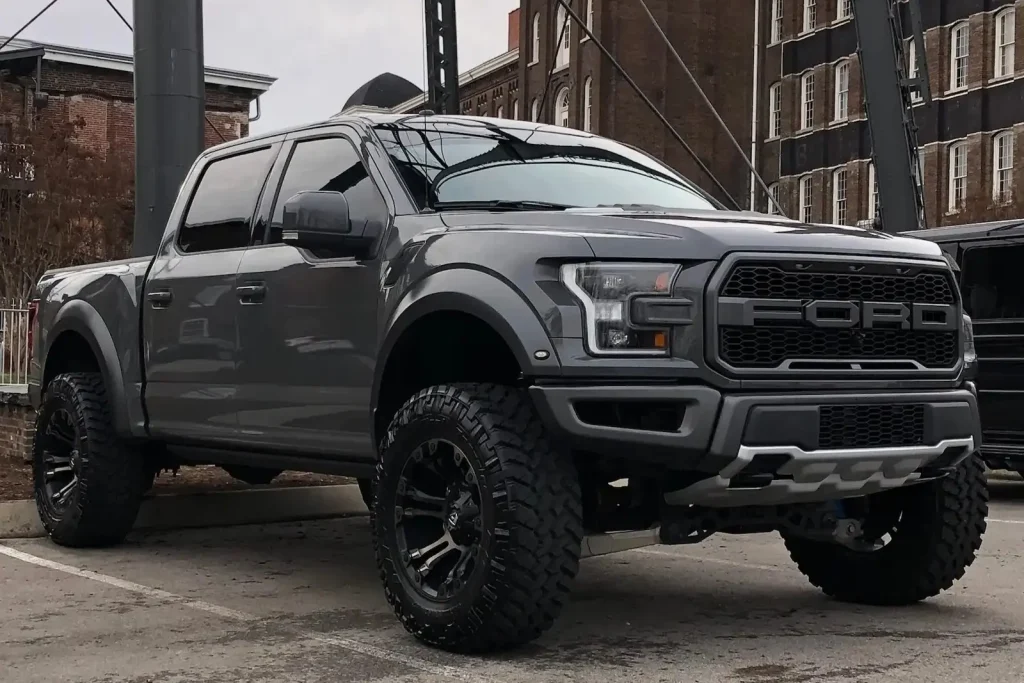
Tyler bought a grey F-150 Raptor and kept it in downtown Nashville during the week. Between the construction dust off Lower Broadway, pollen settling into every panel gap, and two quick runs through a brush wash that left the grey paint looking hazy in direct light, he called us wanting to know if ceramic coating made sense for a truck he actually drove hard. The answer wasn’t straightforward, and that’s what this post is about.
Coating a truck involves different considerations than coating a sedan or SUV. The larger surface area, the bed, and how you actually use the truck all affect the process, the cost, and what you’ll realistically get out of it. Understanding those factors up front helps you make the right call.
Halo is a FEYNLAB certified installer serving Nashville, Brentwood, Franklin, and surrounding areas. Here’s what truck owners ask us most.
Key Takeaways
Here’s a brief overview of what we’ll cover:
- Surface Area Drives Cost: Trucks have 20 to 30% more paintable surface than sedans, which adds material and labor time. Expect to pay $150 to $300 more than the base sedan price for the same coating tier.
- Bed Coating Is Optional but Useful: The truck bed can be coated for easier cleaning and chemical resistance. It won’t prevent scratches from cargo, but it makes cleanup significantly faster.
- Work Trucks and Daily Drivers Need Different Tiers: A truck that spends time on job sites has different coating needs than one used primarily for commuting. Matching the tier to the use case matters.
- Maintenance Still Required: Coated trucks need washing every one to two weeks. Ceramic coating makes washing more effective, not unnecessary.
- Correct Prep Is Everything: Larger trucks mean more surface area to decontaminate and correct before the coating goes on. Skipping those steps produces poor results regardless of the coating tier.
Get in touch at 615-815-8291 to talk through which coating tier fits your truck.
How Surface Area Affects Truck Coating Costs
A full-size pickup like an F-150, Silverado, or RAM 1500 has roughly 20 to 30% more paintable surface than a midsize sedan. The hood is larger, the side panels run longer and taller, and the bed adds significant square footage that needs the same decontamination, correction, and coating process as any other panel.
Halo’s ceramic coating tiers start at $650 for Level I on a sedan. For a full-size truck, that number moves up by $150 to $300 depending on the coating level and how much prep the paint needs. A Level II coating on a large truck in good condition typically lands between $900 and $1,150. Level III on a truck with paint correction work can reach $1,400 or more.
The additional time also matters for the installation process itself. More surface area means longer cure windows and more careful panel-by-panel inspection before we hand the keys back.
Truck Bed Coating
The bed is the part truck owners ask about most. It’s painted metal, and it can be coated like any other surface. The hydrophobic properties make cleaning out mud, spills, and debris noticeably faster. Chemical resistance also helps when hauling materials that might otherwise stain or etch an unprotected surface.
That said, ceramic coating won’t prevent dents, gouges, or scratches from loading and unloading cargo. If your bed takes regular abuse from tools, equipment, or heavy materials, a spray-in bedliner handles that kind of physical protection better. Some truck owners go with a bedliner on the floor and coat the walls and tailgate, which gives you physical protection where impact is most likely and easier cleanup on the vertical surfaces.
For trucks where the bed sees lighter use or serves mainly as a daily driver with occasional hauling, coating the entire bed creates a consistent look and makes the whole surface easier to maintain.
Work Truck vs Daily Driver
How you use the truck is the most important factor in choosing a coating tier.
Work trucks that spend time on construction sites, haul materials regularly, or park in dusty conditions face harder daily conditions than a daily driver. For these vehicles, Level I coating often makes the most practical sense. It still protects against pollen, UV, and road contamination, makes washing more effective, and does so at a price point that fits the use case. Expecting a Level III coating to perform on a truck that goes two weeks between washes and hauls concrete debris is setting unrealistic expectations.
Daily driver trucks with occasional work use, or trucks used mainly for commuting and weekend recreation, get more out of Level II or Level III coatings. These vehicles get more consistent maintenance and face less severe daily conditions, which lets the coating’s durability features actually deliver over its warranty period.
The question to ask yourself is honest: how often will this truck actually get washed? If the answer is every week or two, a premium coating returns real value. If the truck goes three or four weeks between washes regularly, a more accessible tier makes better sense.
Off-Road and Recreation Use
Nashville truck owners who use their vehicles recreationally, on weekend trips to state parks or unpaved roads outside the city, get real benefit from ceramic coating even with the mud exposure. Properly applied coating causes mud and organic debris to release more easily during washing. What used to take aggressive scrubbing cleans up faster and more completely.
Rock chips and physical damage from trail use still happen regardless of coating. The coating provides chemical resistance and easier cleanup, not armor. For high-impact areas like the front bumper and hood on trucks that see regular off-road use, combining PPF with ceramic coating gives you physical protection on the most vulnerable panels while the coating handles the rest.
Dark Paint and Larger Panels
Dark-colored trucks, black, dark blue, deep gray, show contamination and swirl marks more clearly than light colors and across a much larger surface area. A swirled hood on a full-size black truck is a lot more visible than the same damage on a white compact sedan.
This is where thorough paint correction before coating pays off most. Nashville’s construction activity creates consistent dust conditions that embed in dark paint and require real correction work to remove. Coating applied over that contamination traps it rather than sealing clean paint.
If your dark truck has visible swirl marks or oxidation, budget for correction as part of the installation. The improvement after correction and coating on dark paint is one of the more dramatic results we produce.
Maintenance After Coating
Coating changes how you wash the truck, not whether you wash it. Aim for every one to two weeks, more often during spring pollen season or after job site exposure. The coating makes each wash more effective, so you’re spending less time scrubbing, but it doesn’t eliminate the need.
Use pH-neutral soap rated for coated surfaces. Automatic brush washes damage the coating over time and aren’t a substitute for proper washing. For coated trucks that face road salt exposure during Nashville’s winter ice events, prompt washing after salt events is important. Salt sitting on the coating for extended periods eventually works against its performance. The winter detailing guide covers timing and approach for cold-season maintenance.
Getting a Quote for Your Truck
Pricing for truck coating depends on the specific tier, the truck’s current paint condition, and how much prep work is needed before the coating goes on. We assess the paint before recommending a tier.
For a full look at what each FEYNLAB level includes and what drives pricing up or down, the ceramic coating cost guide covers it in detail.
Get in touch at 615-815-8291 or book your appointment online and we’ll give you an honest assessment of your truck’s paint before recommending anything.
FAQs for Ceramic Coating Trucks
How much more does ceramic coating cost for trucks compared to cars?
Trucks typically run $150 to $300 more than sedans for the same coating tier due to additional surface area. Exact cost depends on the truck’s size, paint condition, and how much prep work the paint needs before coating.
Can I ceramic coat my truck bed if I use a tonneau cover?
Yes. Coating works well under tonneau covers and adds chemical resistance to moisture and cargo that accumulates under the cover. It makes cleaning the bed easier whenever you do access it.
Will ceramic coating protect my work truck from scratches and chips?
Ceramic coating provides resistance to fine scratches and minor abrasion from washing, but it won’t prevent damage from tools, equipment, or significant impacts. For impact protection on high-use areas, PPF is the better option.
How often do I need to wash my coated truck?
Every one to two weeks is the target for most Nashville drivers, more often during pollen season or after job site exposure. The coating makes each wash more effective but doesn’t replace the need for regular washing.
Is Level I coating sufficient for work trucks, or do I need Level II or III?
For trucks that face harsh daily conditions and irregular washing schedules, Level I often provides the best cost-to-benefit ratio. Level II and III are better suited to daily drivers and recreational trucks that get more consistent care and maintenance.