
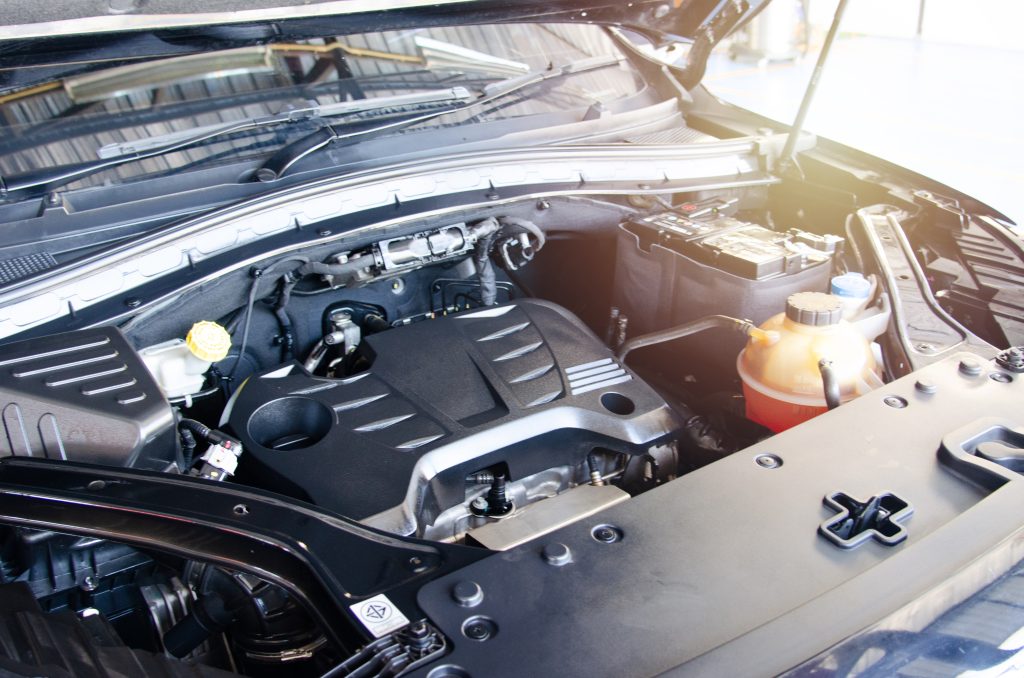
Most car owners never think about their engine bay until they pop the hood and see years of accumulated grime, dust, and oil residue coating every surface. Engine bay cleaning can transform this hidden area from an embarrassing mess into something you’re proud to show, but it’s not always necessary or even recommended for every vehicle.
Understanding when engine bay cleaning makes sense, what the process actually involves, and the difference between cosmetic improvement and functional benefits helps you make an informed decision. At HALO Mobile Detailing, we bring all the specialized equipment needed for safe engine bay cleaning right to your Nashville driveway, but we’re honest about when this service adds real value versus when your money is better spent elsewhere. Our mobile detailing approach ensures proper safety protocols and controlled water application that many DIY attempts lack.
Key Takeaways
Safety Comes First: Modern engines have sensitive electronics that can be damaged by improper cleaning techniques, making professional equipment and knowledge essential for safe results.
Mostly Cosmetic Benefits: Engine bay cleaning improves appearance and can help with resale value, but rarely provides functional improvements unless addressing specific contamination issues.
When It Actually Matters: Pre-sale preparation, show cars, luxury vehicles, and addressing oil leaks or heavy contamination are the main scenarios where engine bay cleaning provides real value.
Not for Every Vehicle: Older vehicles with brittle components, cars with known electrical issues, or engines with exposed air filters may be better left uncleaned.
Professional Process Required: Safe cleaning requires controlled pressure, appropriate degreasers, plastic protection, and proper drying techniques that most car washes don’t provide.
Contact HALO Mobile Detailing at your convenience to discuss whether engine bay cleaning makes sense for your specific vehicle and situation.
When Engine Bay Cleaning Makes Sense
Engine bay cleaning provides the most value in specific situations rather than as routine maintenance. If you’re preparing to sell your vehicle, a clean engine bay signals to potential buyers that you’ve maintained the car properly. Buyers often interpret a grimy engine compartment as evidence of neglect, even when that’s not accurate.
Show cars and luxury vehicles represent another clear use case. When you’re displaying a classic Mustang at a car show or want your BMW to look pristine in Belle Meade, every visible component should reflect the same level of care. Luxury car owners understand that attention to detail extends beyond paint and interior to every aspect of the vehicle.
Heavy contamination from oil leaks, coolant spills, or excessive road grime creates functional reasons for engine bay cleaning. Oil-soaked components can trap heat, making it harder to diagnose actual problems, while accumulated grime can mask developing leaks or component wear. Nashville’s climate adds another layer with spring pollen infiltrating every crevice and summer heat baking contaminants onto hot surfaces.
What Professional Engine Bay Cleaning Actually Involves
Professional engine bay cleaning starts with careful preparation and component protection. Sensitive electronics, air intake systems, and exposed fuse boxes get covered with plastic to prevent water intrusion. This preparation step separates professional service from the “spray everything down” approach that damages vehicles.
The actual cleaning process uses specialized degreasers applied at the right concentration and temperature. Professional mobile detailers bring heated water systems and controlled pressure equipment that removes grime without forcing water into sensitive areas. The process typically involves degreaser application, agitation with appropriate brushes, controlled rinsing, and thorough drying.
Post-cleaning treatment includes dressing plastic and rubber components to restore their appearance and provide UV protection. However, this isn’t about making everything shiny. Over-application of dressings creates a magnet for dust and dirt, defeating the purpose of cleaning. Our mobile service approach ensures we have the right equipment on-site including proper lighting to see what we’re doing and extraction equipment for thorough drying.
Safety Considerations You Can’t Ignore
Modern vehicles contain dozens of electronic components under the hood that weren’t present in older cars. Mass airflow sensors, various control modules, and exposed wiring harnesses can fail if water penetrates their housings. Even water-resistant components aren’t designed for direct pressure washing or soaking.
Temperature considerations matter significantly. Cleaning a hot engine can cause rapid temperature changes that crack plastic components or cause metal parts to warp slightly. Professional detailers know to let engines cool completely and avoid certain cleaning chemicals on heated surfaces.
Some vehicles present higher risks than others. German luxury cars often have more exposed electronics and sensitive components compared to domestic trucks. Older vehicles may have brittle vacuum lines or deteriorated wire insulation that can’t withstand even gentle cleaning. Understanding your specific vehicle helps determine appropriate cleaning approaches.
When Engine Bay Cleaning Isn’t Worth It
Many vehicles simply don’t benefit enough from engine bay cleaning to justify the cost and risk. Daily drivers that aren’t being sold, aren’t shown, and don’t have contamination issues fall into this category. Your 2018 Honda Accord with 80,000 miles probably has a dusty but functional engine bay that works perfectly fine as-is.
Vehicles with known electrical problems should generally avoid engine bay cleaning until those issues are resolved. Introducing moisture into an already compromised electrical system can create new problems that cost far more than the cleaning service. Similarly, cars with aftermarket electronics installations, especially older alarm systems or amateur wiring work, present higher risks.
Budget considerations matter too. Engine bay cleaning typically costs $100-200 as an add-on service, money that might provide more value applied to paint correction, interior deep cleaning, or ceramic coating services that you’ll see and benefit from daily.
The Reality About Functional Benefits
Marketing claims about engine bay cleaning improving performance, helping with cooling, or extending engine life are largely exaggerated. Modern engines are designed to operate in dusty, dirty conditions. A layer of grime on external engine components doesn’t affect internal combustion, fuel delivery, or cooling system performance.
The functional benefits that do exist are indirect. Clean components make it easier to spot developing leaks, identify worn belts or hoses, and perform routine maintenance. A clean engine bay also makes it easier for mechanics to work on your vehicle without getting their hands and tools covered in accumulated grime.
Heat dissipation can theoretically improve with a clean engine bay, but this only matters in extreme cases of oil saturation or debris accumulation blocking airflow. Normal dust and light grime don’t create meaningful heat retention issues in properly designed engine compartments.
Professional vs DIY Engine Bay Cleaning
DIY engine bay cleaning attempts often create more problems than they solve. Home pressure washers deliver inconsistent pressure that’s either too weak to remove stubborn grime or too strong for sensitive components. Garden hose attachments can’t provide the controlled application patterns that professional equipment delivers.
Chemical selection represents another critical difference. Professional degreasers are formulated for specific contamination types and designed to rinse completely without leaving residues. Hardware store engine cleaners often contain harsh solvents that can damage rubber seals, plastic components, or painted surfaces under the hood.
The drying process separates professional from amateur attempts most clearly. Leaving moisture in crevices, around electrical connections, or in component housings creates corrosion and electrical problems over time. Professional mobile detailers bring compressed air systems and extraction equipment to ensure complete moisture removal.
Nashville-Specific Considerations
Nashville’s climate creates specific engine bay contamination patterns that affect cleaning decisions. Spring tree pollen penetrates air filter housings and coats every surface with a fine yellow layer that’s more cosmetic nuisance than functional problem. Summer heat and humidity can accelerate the breakdown of accumulated grime, making it harder to remove if left too long.
Construction activity throughout the Nashville metro area, especially in growing areas like Franklin and Brentwood, creates unusual dust accumulation for vehicles regularly driven in these areas. This construction dust mixed with normal road grime can create a concrete-like buildup that requires professional degreasers and techniques to remove safely.
Nashville’s car culture, particularly in areas like Green Hills and Belle Meade, means engine bay appearance matters more for social and resale reasons than in other markets. When your neighbors care about automotive presentation, details like engine bay cleanliness become part of maintaining your vehicle’s overall image.
Frequently Asked Questions
Is engine bay cleaning safe for my car’s warranty?
Engine bay cleaning performed by professionals using appropriate techniques won’t void your warranty, but improper cleaning that damages electrical components could create warranty claim complications. Professional mobile detailers understand which components to protect and which cleaning methods are safe for modern vehicles.
How often should I clean my engine bay?
Most vehicles never need engine bay cleaning unless being prepared for sale, display, or addressing specific contamination. If you do clean it, once every 2-3 years is typically sufficient for maintained vehicles. More frequent cleaning provides diminishing returns and increases the cumulative risk of moisture-related problems.
Can I just use a regular car wash for engine bay cleaning?
Automatic car washes and most self-service bays aren’t equipped for safe engine bay cleaning. They lack the controlled pressure, appropriate chemicals, and component protection needed for modern vehicles. Many car washes specifically prohibit engine bay cleaning due to liability concerns and their inability to provide proper preparation and drying.
Will engine bay cleaning improve my car’s performance?
Engine bay cleaning provides minimal functional benefits for most vehicles. Clean external components don’t improve internal engine performance, fuel economy, or cooling efficiency unless addressing extreme contamination cases. The primary benefits are cosmetic appearance and easier maintenance access.
What’s included in professional engine bay cleaning?
Professional engine bay cleaning includes component protection, degreasing, controlled pressure cleaning, thorough rinsing, complete drying, and appropriate dressing application. The process typically takes 45-90 minutes depending on contamination level and vehicle complexity. Quality service includes post-cleaning inspection to ensure no moisture remains in sensitive areas.
Engine bay cleaning serves specific purposes but isn’t necessary routine maintenance for most Nashville vehicle owners. If you’re preparing your vehicle for sale, addressing heavy contamination, or maintaining a show car, professional cleaning provides real value. For daily drivers without specific issues, your money typically provides better returns invested in services you’ll see and benefit from regularly. Contact HALO Mobile Detailing to discuss whether engine bay cleaning makes sense for your specific vehicle and situation, and explore our complete range of mobile detailing services that we bring directly to your location throughout the Nashville area.