
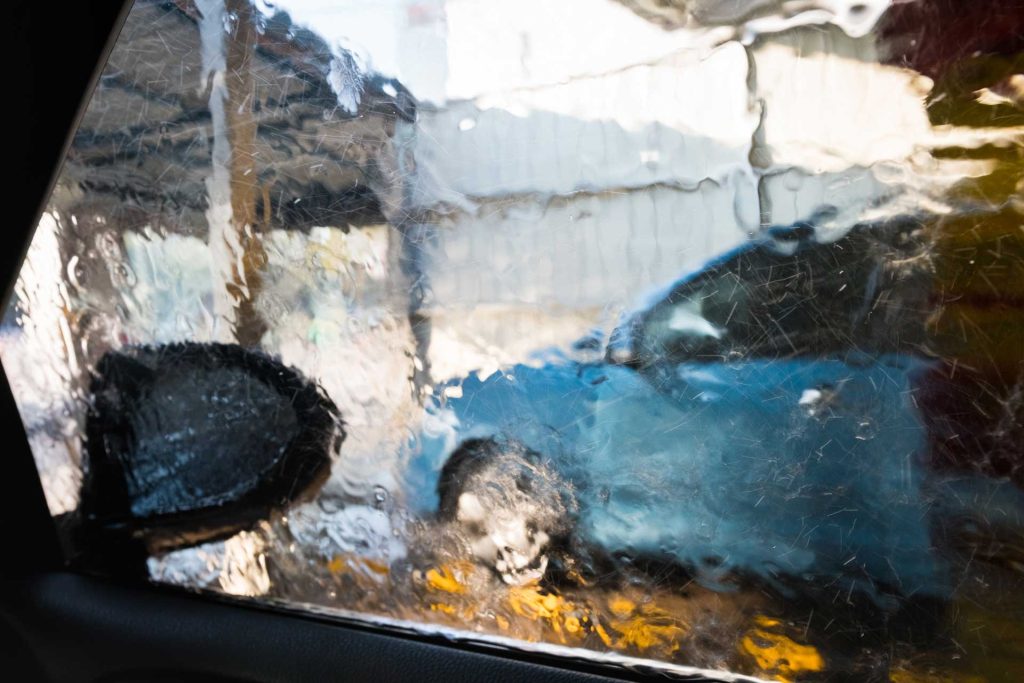
It’s Saturday morning on Charlotte Avenue in Nashville. A line of cars snakes around the block at the drive-through wash, engines idling in the humid Tennessee air. Inside the tunnel, industrial hoses blast water while soap and chemical runoff flow down the pavement directly into storm drains.
By the end of this single day, thousands of gallons of water will disappear into Nashville’s drainage system, mixed with oil, brake dust, and cleaning chemicals. This scene repeats at dozens of car washes across Middle Tennessee, but the true cost goes far beyond what customers see.
Most Nashville residents have never stopped to ask where all that water actually goes, or what happens when it gets there. The environmental impact of car washes extends from storm drains to the Cumberland River, affecting waterways where families swim and fish every summer. Understanding this hidden cost starts with following the water from the tunnel to the river.
Where All That Water Really Goes
The question “how much water does a car wash use?” has a startling answer that most Nashville residents never consider. Traditional car washes consume between 40 and 100 gallons of water per vehicle. Your typical morning shower uses about 25 gallons, which means washing one car uses the equivalent of four showers in just three minutes. A busy Nashville car wash might service 200 vehicles on a Saturday, consuming 14,000 gallons of water in a single day at one location alone.
But car wash water consumption is only part of the problem. That water doesn’t stay clean. After blasting dirt, oil, and grime from vehicles, it carries these contaminants straight into storm drains.
Storm Drains vs. Treatment Plants
Here’s what most people don’t know about Nashville storm drains: they’re not connected to wastewater treatment facilities. When you wash dishes at home or take a shower, that water travels through sewer lines to Metro Water Services’ treatment plants, where it gets filtered and cleaned before returning to the environment. Car wash wastewater takes a completely different path.
Every storm drain in Nashville connects directly to local waterways. Rain that falls on streets and parking lots flows into these drains and exits into the nearest creek, stream, or river within hours. The system is designed this way intentionally to prevent street flooding during heavy Tennessee downpours. But this design means anything that enters a storm drain bypasses all treatment processes.
When car wash chemical runoff enters these drains, it becomes an immediate environmental problem. The contaminated water flows from the car wash property directly into Percy Priest Lake, where your kids might swim next weekend, or into the Cumberland River, where people catch fish for dinner.
What’s Actually Flowing Into Our Waterways
Storm drain pollution from car washes carries more than just dirty water. Each vehicle brings a complex mixture of contaminants that accumulate throughout normal driving. Motor oil seeps from engines and coats undercarriages. Brake dust containing heavy metals builds up on wheels and wheel wells. Tire particles, which are essentially microplastics, embed in tire treads and scatter across every surface during driving.
Road salt from the winter months crystallizes on vehicle exteriors and undercarriages. In Middle Tennessee, even our limited winter weather creates enough salt application to leave residue that lasts for months. Gasoline and diesel residue coat gas caps and rear bumpers. Exhaust soot settles on everything from bumpers to roof racks.
When high-pressure water blasts these surfaces, all these contaminants mix together in the runoff. The industrial soaps and degreasers used at traditional facilities add another layer of chemicals to this mixture. These commercial-grade products use formulas far stronger than anything you’d use at home, specifically because they need to clean hundreds of vehicles quickly without hand scrubbing.
The Tax You’re Already Paying
Nashville’s infrastructure bears this burden silently. Metro government manages thousands of storm drains across Davidson County, monitoring water quality throughout the Cumberland River system and its tributaries. The city spends millions of tax dollars annually addressing contamination from various sources, and car wash pollution in Nashville facilities contributes measurably to this challenge.
These environmental management costs get passed along to residents through utility bills and property taxes. You’re funding pollution cleanup even if you never visit a traditional car wash yourself. Every Nashville household contributes to managing the collective impact of water waste that car washing creates across our community.
The Energy Machine That Never Stops
When people ask, “Are car washes bad for the environment?” they usually think about water and chemicals, but there’s another hidden cost that operates 24 hours a day. Traditional car wash facilities are energy-intensive operations that never really shut down. The massive lighting systems illuminating the lot and tunnel run all night for security purposes, burning electricity even when no customers are present.
These facilities require industrial-grade water heating systems to prevent equipment from freezing during Tennessee winters and to maintain optimal cleaning temperatures year-round.
The ventilation systems run constantly to manage humidity and fumes inside the tunnel, while powerful vacuum systems at full-service locations consume significant electricity throughout operating hours. Air dryers at the tunnel exit use industrial blowers that could power several homes, running continuously during business hours.
The Physical Footprint That Doesn’t Disappear
Traditional car wash problems start before the first vehicle ever gets washed. Building a car wash facility requires clearing land, pouring concrete foundations, and constructing permanent structures. The typical Nashville car wash sits on a half-acre to full-acre lot, most of which gets covered in concrete or asphalt for vehicle queuing and drying areas.
The buildings themselves require materials extracted, manufactured, and transported to the site. Steel framing, concrete blocks, electrical systems, plumbing infrastructure, all represent embodied energy that existed before a single car got washed.
Maintenance of these permanent structures continues throughout the facility’s operational life, consuming additional resources year after year.
Multiplying Impact Across Nashville
Consider the environmental impact of car washes when you count over 50 facilities operating across Davidson County and the surrounding areas. Each location functions like a small factory, consuming baseline resources regardless of customer volume. A slow Tuesday with 30 customers uses almost as much energy as a busy Saturday with 200 customers because the infrastructure keeps running either way.
The Chemical Cocktail Problem
Open a bottle of traditional car cleaning solution, and the chemical sting immediately hits your nose, making your eyes water and throat tighten. Now contrast that with opening an eco-friendly cleaner that releases a subtle citrus scent from natural orange oils.
For parents buckling children into car seats or pet owners whose dogs jump in and out all day, this difference matters more than just comfort. The residues left behind by cleaning products don’t disappear when the car dries. They linger on surfaces that your family touches, breathes near, and lives with every single day.
Industrial Strength Means Industrial Impact
Automatic car wash environmental damage starts with the chemistry formulated to blast through grime in seconds rather than minutes. Traditional facilities use cleaning solutions with pH levels between 11 and 13 on the measurement scale. To put that in perspective, household ammonia registers around 11, and lye-based drain cleaners hit 13. These highly alkaline formulas strip away dirt aggressively but cause skin burns on contact and corrode metal surfaces over time.
The cleaning power comes from petroleum-based surfactants rather than plant-derived alternatives. These synthetic compounds break molecular bonds between dirt and surfaces, allowing water to flush contaminants away. But petroleum surfactants persist in the environment for months after entering waterways. Natural bacteria that normally break down organic matter can’t digest these synthetic molecules, so they accumulate in sediment and water.
Commercial degreasers used on engines and undercarriages contain solvents strong enough to dissolve oil and grease instantly. These same solvents can damage paint, strip protective waxes, and penetrate rubber seals.
The Phosphate Legacy
Drive past Percy Priest Lake in late summer, and you might notice thick green mats floating near the shore. These algae blooms transform clear water into murky soup, blocking sunlight and depleting oxygen levels as the algae die and decompose. Fish suffocate in waters that should support healthy populations. Swimming areas close due to bacterial growth that thrives in oxygen-depleted conditions.
Phosphates from car wash chemical runoff act as fertilizer for this explosive algae growth. These compounds, once common in virtually all cleaning products, are now recognized as environmental hazards in any concentration. When phosphates enter lakes and slow-moving rivers, they trigger chain reactions that can devastate entire ecosystems within weeks.
Many modern car wash facilities have eliminated phosphates from their chemical formulas in response to environmental regulations. But older facilities and budget operations sometimes still use phosphate-containing cleaners because they cost less and clean effectively. The runoff from even a single facility using these products can impact water quality across miles of connected waterways.
Volatile Organic Compounds (VOCs): The Invisible Pollution
Check the air quality index on any summer afternoon in Nashville, and you’ll often see orange or red warnings for ground-level ozone. Most people blame traffic exhaust, and that’s certainly part of the equation. But VOCs from commercial operations contribute significantly to the smog that blankets the city during hot months. VOCs turn from liquid to gas at room temperature, releasing chemical vapors that drift on air currents far beyond the facility property.
These airborne chemicals contribute to ground-level ozone formation, the primary component of smog that triggers respiratory problems and reduces air quality. Nashville already struggles with ozone levels during the summer months when heat and sunlight combine with VOC emissions from vehicles, industry, and various commercial operations. Car wash facilities add to this burden during the same hot months when their business peaks.
Inside vehicles, VOC residues from cleaning products settle on dashboard surfaces, door panels, and upholstery. Every time the car heats up in Tennessee’s summer sun, these residues release vapors into the enclosed cabin air. Families breathing this air during their commute inhale chemical compounds that weren’t designed for human exposure at these concentrations.
Eco-friendly car cleaning formulas minimize or eliminate VOCs by using natural essential oils and plant extracts for scent instead of synthetic fragrances. The cleaning effectiveness remains the same, but the air quality impact drops dramatically.
Making Informed Choices About Car Care
Understanding the environmental impact of car washes opens the door to making different choices about vehicle care. The path forward starts with awareness. You now know where the water goes when it leaves traditional car wash facilities.
You understand what chemicals flow into the Cumberland River and Percy Priest Lake. You recognize the cumulative impact of thousands of individual washing decisions made across Nashville every weekend. This knowledge changes how you evaluate your options.
Water conservation car washing methods exist that deliver professional results while protecting local waterways. Mobile detailing services bring efficient cleaning directly to your location, using minimal water and eco-friendly products. These approaches eliminate the drive time, reduce resource consumption, and prevent contaminated runoff from entering storm drains. The service happens while you work, shop, or handle other priorities.
Halo Mobile Detailing operates across Nashville using methods designed to minimize environmental impact while maintaining the highest cleaning standards. Our approach focuses on efficiency, using waterless and low-water techniques when appropriate and eco-safe products that won’t harm local ecosystems. Every detail happens at your location, eliminating unnecessary driving and the infrastructure costs that traditional facilities require.
If this approach aligns with how you think about vehicle care, we make getting started straightforward. Call us at 615-815-8291 or fill out this contact form to schedule service. We’ll explain which methods work best for your vehicle and answer questions about our products and processes.
FAQs About the Environmental Impact of Car Washes in Nashville
Below are some of the most common questions we hear from our clients about the environmental damage of the traditional car washes:
1. Can washing your car at home be worse for the environment than using a car wash?
Home car washing can actually create more environmental problems than commercial facilities. When you wash in your driveway, soapy water flows directly into storm drains without any treatment. You also tend to use more water than necessary because residential hoses lack the pressure controls that professional equipment provides.
2. What time of year causes the most car wash environmental damage?
Late spring and summer create peak car wash pollution in Nashville. April and May bring heavy pollen that triggers more frequent washing. Summer heat concentrates chemicals in waterways when the river flows decrease.
This timing means Cumberland River water quality faces maximum stress precisely when contamination levels spike from increased washing activity.
3. How can apartment dwellers in Nashville reduce their car washing environmental impact?
Mobile detailing services offer apartment residents the most practical eco-friendly car care option. These services come to your parking spot and use minimal water with biodegradable products. You avoid driving to facilities and contributing to storm drain pollution. The convenience works perfectly for apartment living while protecting Nashville’s waterways from harmful runoff.
4. Are self-service car washes better for the environment than automatic washes?
Self-service car washes typically create similar environmental problems as automatic facilities. Both send car wash wastewater directly into storm drains without treatment.
Self-service bays actually encourage customers to use more water and chemicals because you control the spray time yourself. The environmental impact remains essentially the same regardless of who operates the equipment.
5. How does car wash runoff affect fish populations in Tennessee lakes?
Car wash chemical runoff harms fish through multiple pathways. Heavy metals from brake dust accumulate in fish tissue over time. Phosphates trigger algae blooms that deplete the oxygen levels fish need to survive. Petroleum-based surfactants can damage fish gills and reproductive systems.