
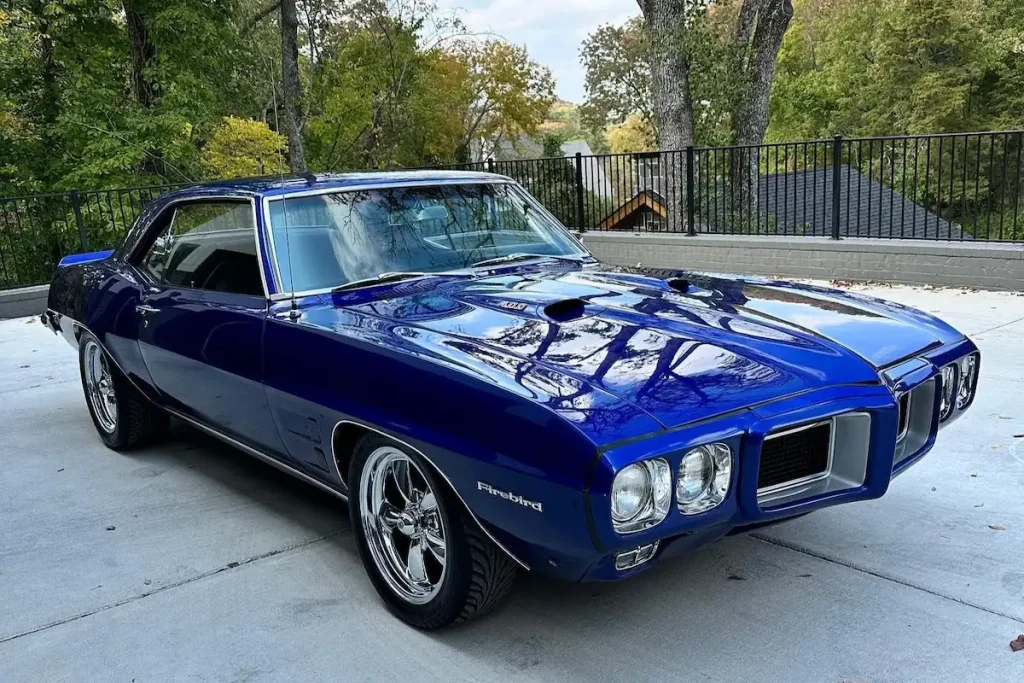
Ceramic coating represents a significant investment for most car owners, with professional applications ranging from $650 to over $1,200 depending on your vehicle and the level of protection you choose. The question isn’t whether ceramic coatings work – they do – but whether the benefits align with how you actually use and care for your vehicle.
The answer depends heavily on your driving habits, parking situation, and expectations. A Nashville driver who parks outside during pollen season will see different benefits than someone with a garage. Understanding these factors helps you make a decision based on your specific situation rather than marketing promises. Our ceramic coating cost guide breaks down the investment by vehicle type and protection level.
At HALO Mobile Detailing, we’ve applied ceramic coatings to hundreds of vehicles across Nashville, from daily drivers in Green Hills to weekend classics in Belle Meade. This experience has shown us exactly when coating delivers real value and when other protection methods make more sense for certain owners.
Key Takeaways
When Coating Delivers Value: Drivers who wash regularly, park outside frequently, or own dark-colored vehicles see the most benefit from ceramic coating’s hydrophobic properties and UV protection.
When It’s Not Worth It: Vehicles that sit dirty for weeks, rarely get washed, or are driven infrequently don’t justify the coating investment.
Nashville-Specific Benefits: Ceramic coating helps significantly during pollen season and provides excellent protection against summer UV damage that fades interiors and paint.
Maintenance Still Required: Coated vehicles still need regular washing, though the process becomes easier and less frequent deep cleaning is required.
Cost Versus Value: Professional ceramic coating typically pays for itself through reduced detailing frequency and maintained resale value over 3-5 years.
Ready to determine if ceramic coating makes sense for your vehicle? Call us at 615-815-8291 to discuss your specific driving situation.
When Ceramic Coating Delivers Real Value
Ceramic coating works best for drivers who already maintain their vehicles regularly. If you wash your car every two weeks and detail it seasonally, coating amplifies these efforts by making maintenance easier and more effective.
The biggest advantage shows up during Nashville’s pollen season. Coated vehicles rinse cleaner, and the slick surface prevents pollen from bonding as aggressively to the paint. Instead of scrubbing yellow dust off your car, a simple rinse removes most contamination. This matters most for drivers who can’t garage park during March through May when tree pollen peaks.
Dark-colored vehicles benefit dramatically from ceramic coating. Black, dark blue, and dark gray cars show water spots, swirl marks, and contamination more readily than light colors. The hydrophobic properties of ceramic coating cause water to bead and roll off rather than sitting on the paint and leaving mineral deposits. For owners of dark luxury vehicles, this difference is immediately visible.
Frequent highway drivers also see significant value. Road grime, bug splatter, and tar bond less aggressively to coated surfaces. What used to require aggressive scrubbing now rinses away with proper wash technique. This is particularly relevant for Nashville commuters who travel I-65, I-40, or I-24 regularly and encounter construction dust and heavy traffic pollution.
When Ceramic Coating Isn’t Worth the Investment
Ceramic coating cannot fix neglect. If your car sits dirty for weeks or months between washes, coating won’t help. The protective properties only work when you maintain the surface. Contamination that sits on any surface – coated or not – will eventually bond and require removal.
Garage-kept vehicles driven infrequently don’t justify coating costs through daily benefits. A classic car that sees 500 miles per year or a weekend vehicle stored indoors faces minimal environmental exposure. The coating’s UV protection and hydrophobic properties provide little value when the car isn’t exposed to the elements regularly.
Budget considerations matter significantly. If a $1,000 ceramic coating represents a substantial portion of your vehicle’s value, other protection methods make more sense. A reliable sealant applied twice yearly costs under $100 and provides adequate protection for older daily drivers.
Some owners have unrealistic expectations about what coating accomplishes. Ceramic coating doesn’t eliminate the need for washing, won’t fix existing paint damage, and doesn’t prevent all types of contamination. Bird droppings still need immediate removal, rock chips still happen, and swirl marks can still occur with poor wash technique.
How Nashville’s Climate Affects the Decision
Nashville’s specific environmental conditions create scenarios where ceramic coating delivers exceptional value and others where it’s less critical. Understanding these local factors helps clarify whether the investment makes sense for your situation.
The spring pollen season presents the strongest case for ceramic coating in Middle Tennessee. Tree pollen creates a sticky, acidic coating that bonds to paint and becomes increasingly difficult to remove as temperatures rise. Coated vehicles allow easier removal during this challenging period. However, this benefit only matters if you’re committed to washing the car regularly during pollen season rather than letting it accumulate.
Summer heat and UV exposure in Nashville can be intense, with temperatures regularly reaching the 90s and humidity creating additional challenges. Ceramic coating’s UV protection helps prevent paint oxidation and fading, particularly on vehicles parked outside during work hours. The coating’s resistance to water spotting also helps during afternoon thunderstorms common in summer months.
Winter presents mixed benefits. Nashville’s winter weather includes road salt and deicer exposure, which ceramic coating helps resist. However, if you’re someone who avoids washing during cold months, you won’t realize these benefits.
The Mathematics of Coating Investment
Professional ceramic coating represents a front-loaded investment that spreads its value over several years. Understanding the cost breakdown helps evaluate whether the numbers work for your specific situation.
Our FEYNLAB ceramic coating options range from Level I at $650 to Level III systems over $1,200. These prices include paint preparation, which often involves paint correction to remove existing defects before coating application.
The value calculation depends on your current detailing frequency and costs. If you currently pay for professional detailing every 3-4 months at $245 for our Full Detail service, ceramic coating can extend this interval to 4-6 months while making maintenance washes more effective. Over three years, this frequency reduction often offsets a significant portion of the coating investment.
Resale value protection also factors into the equation. Vehicles with well-maintained paint command higher prices in the used car market. While coating alone doesn’t guarantee better resale value, it supports the overall condition that buyers notice and value.
Making the Right Decision for Your Situation
The ceramic coating decision ultimately comes down to matching the product’s capabilities with your actual vehicle use and maintenance habits. Honest self-assessment about how you currently care for your car predicts how much value you’ll realize from coating.
Consider your parking situation realistically. Garage-kept vehicles that only see weekend use face different environmental stresses than daily drivers parked outside. The coating’s protective properties matter most for vehicles with regular exposure to contamination, UV, and weather.
Evaluate your washing habits truthfully. Ceramic coating amplifies good maintenance habits but can’t compensate for neglect. If you currently struggle to wash your car monthly, coating won’t solve underlying maintenance challenges. However, if you’re already committed to regular care, coating makes that care more effective and efficient.
Think about your timeline for ownership. Ceramic coating’s value accumulates over years, not months. If you typically trade vehicles every two years, the investment may not provide sufficient return. Owners who keep vehicles 4-5 years or longer see the most value from coating protection.
Frequently Asked Questions
Does ceramic coating eliminate the need for regular washing?
No, ceramic coating makes washing easier and more effective but doesn’t eliminate the need for regular maintenance. Coated vehicles still accumulate dirt, pollen, and other contamination that requires removal. The coating’s hydrophobic properties cause contaminants to rinse away more easily, but regular washing remains essential for maintaining the coating’s performance and your vehicle’s appearance.
How long does ceramic coating actually last in Nashville’s climate?
Professional ceramic coating durability depends on the product tier and maintenance quality. FEYNLAB Level I coatings typically provide 2-3 years of protection with proper maintenance, while Level III systems can last 4-5 years. Nashville’s pollen and UV exposure can reduce longevity if the coating isn’t maintained through regular washing and periodic professional maintenance.
Can ceramic coating be applied to any vehicle?
Ceramic coating can be applied to most vehicles, but the condition of your paint affects the outcome significantly. Vehicles with heavily oxidized, scratched, or contaminated paint require correction before coating application. Older vehicles may need extensive preparation that increases the total investment beyond what’s practical for the vehicle’s value.
Is ceramic coating worth it for trucks and SUVs?
Trucks and SUVs often benefit significantly from ceramic coating due to their size and exposure patterns. Larger vehicles face more environmental exposure and are more expensive to maintain through frequent professional detailing. The coating’s protection against mud, road salt, and UV damage can provide excellent value for truck owners who use their vehicles regularly for work or recreation.
What happens if I stop maintaining a ceramic coated vehicle?
Neglecting a ceramic coated vehicle leads to contamination buildup just like any other paint protection. The coating’s properties degrade when contamination is allowed to sit for extended periods. While ceramic coating provides better protection than bare paint during periods of neglect, it cannot prevent damage indefinitely without proper maintenance.
Ready to determine if ceramic coating makes sense for your specific vehicle and driving situation? Our FEYNLAB-certified technicians can assess your paint condition and discuss which protection level delivers the best value for your needs. Call HALO Mobile Detailing at 615-815-8291 to schedule a consultation at your home or office anywhere in Nashville.