
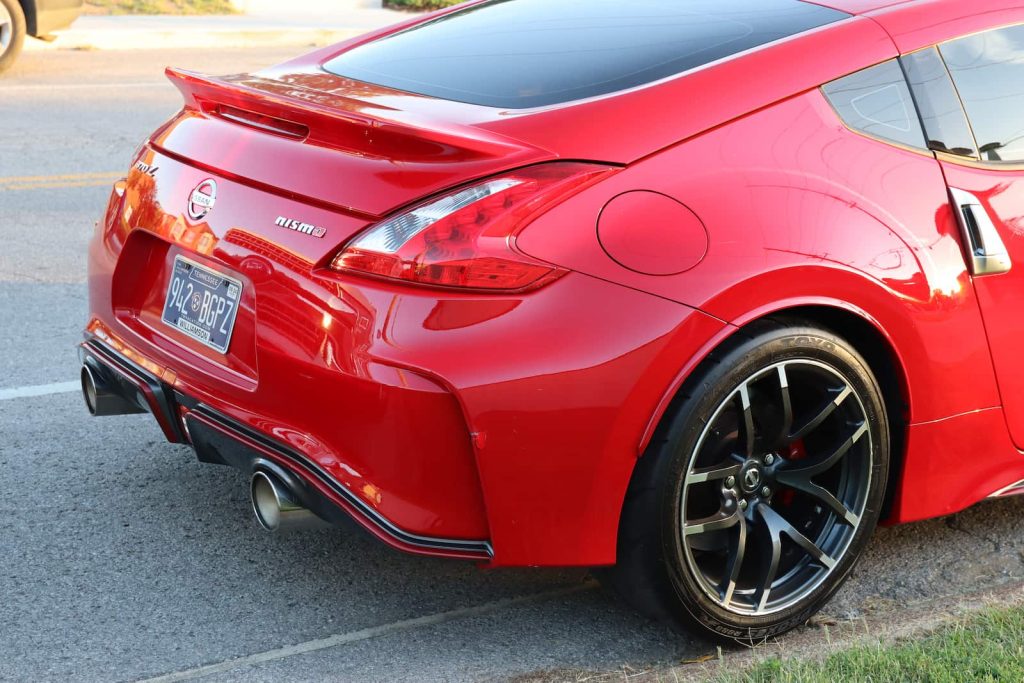
Imagine you are three weeks away from returning your leased car. You run it through a wash, vacuum the floor mats, and take a quick look around. Everything seems fine until you notice the stain on the rear seat, the marks along the door panel, and the scraped edge of a wheel.
After years of driving the same vehicle, everyday wear becomes easy to overlook. Preparing for a lease return means looking more closely and figuring out which issues need cleaning, which need repair, and which may fall within your lender’s normal wear guidelines.
Professional detailing can help with accumulated dirt, certain stains, and some light surface defects. It cannot repair every issue an inspector might identify or guarantee that you will avoid excess wear charges. Understanding those limits helps you choose the right service before handing back the keys.
Key Takeaways
- Your lender’s standards come first. Review your lease agreement and wear-and-use guide because requirements vary.
- Cleaning and repair address different issues. Detailing may improve dirt, stains, and light surface marks. Dents, torn upholstery, damaged wheels, and worn tires generally need separate work.
- A pre-inspection can help you plan. If your lender offers one, use the report to understand potential charges before deciding what to address.
- Choose services based on your vehicle’s condition. Interior cleaning, polishing, and odor treatment may require different packages or additional services.
- Leave time before your return date. Start early enough to review inspection findings, arrange necessary work, and prepare the required equipment and paperwork.
What Lease Return Inspectors Check
A lease return inspection evaluates your vehicle against the lender’s wear-and-use standards. The inspector may document damage, missing equipment, and other conditions that could result in charges under your agreement. An inspection finding does not necessarily mean you will be charged for it.
Normal wear allowances differ between lenders. A small mark that falls within one company’s guidelines may be treated differently by another. Before paying to address cosmetic issues, read the standards that apply to your vehicle.
Common inspection areas include:
- Body panels and paint: Scratches, dents, dings, and other visible damage.
- Wheels and tires: Wheel damage, tire condition, tread depth, and compliance with the lender’s tire requirements.
- Glass and lights: Chips, cracks, and damaged components.
- Interior surfaces: Stains, burns, tears, damaged trim, and other signs of excessive wear.
- Equipment and accessories: Missing keys, remotes, or original items required at return.
For examples of lender guidance, review Ford Credit’s wear-and-use information or Toyota Financial Services’ lease-end guidelines. Always follow the requirements in your own agreement.
What Detailing Can Help With Before a Lease Return
Some marks that look like permanent damage are actually dirt, residue, or material transferred onto a surface. Professional cleaning can help reveal the vehicle’s actual condition and may improve issues that a quick wash or vacuum leaves behind.
Interior Dirt and Certain Stains
Crumbs, embedded dirt, sticky cup holders, and grime on door panels can make an interior look more worn than it is. Thorough cleaning addresses those areas, including surfaces that are easy to miss during routine upkeep.
Seat and carpet stains may also improve with appropriate cleaning methods. Results depend on the material, the substance that caused the stain, how long it has been there, and any previous treatments. Some discoloration is permanent, especially when the material has been bleached, damaged, or affected by dye transfer.
Halo Mobile Detailing’s Interior Detail package includes seat steam cleaning or extraction, carpet and mat shampooing, hard-surface cleaning, and vacuuming. The appropriate cleaning method depends on the condition and materials inside your vehicle.
Odors Held in Interior Materials
Cleaning upholstery, carpets, and other affected surfaces may reduce odors associated with food spills, pets, and everyday use. Lasting results depend on identifying and addressing the source.
Persistent smoke, mildew, or other odors may need additional treatment. If moisture intrusion or another unresolved issue is contributing to the smell, cleaning alone may not prevent it from returning. Our guide to car interior odor removal explains why addressing the source matters.
Describe the odor when booking with Halo Mobile Detailing, including when you first noticed it and whether it returns after cleaning. That information can help the team assess which services may be appropriate.
Paint Transfer and Light Surface Defects
Some bumper marks are paint transfer or surface residue rather than scratches through the vehicle’s finish. Depending on the condition, appropriate cleaning or polishing may improve their appearance.
Light swirl marks and shallow scratches may also respond to polishing. Deeper damage requires a different approach, and some marks cannot be safely removed through polishing alone.
Polishing is not included in every detailing package. Halo Mobile Detailing’s Premium package includes a one-step polish and paint enhancement, while scratch removal and polishing estimates depend on an assessment of the vehicle.
What Detailing Cannot Repair
Detailing cleans and improves surfaces, but it does not replace bodywork, glass repair, upholstery repair, or tire replacement.
Issues that generally require a separate repair service include:
- Dents and damaged body panels.
- Deep scratches that extend through the paint.
- Cracked glass.
- Torn or burned upholstery.
- Broken or missing trim.
- Curb rash and other wheel damage.
- Worn or damaged tires.
Before authorizing repairs, compare the issue with your lender’s wear allowances and any pre-inspection findings. Some wear may be acceptable under your agreement. Understanding what could be charged helps you decide whether a repair makes sense.
Our guide to what detailing cannot fix explains these service limitations in more detail. Even a carefully detailed vehicle may have chargeable damage or other lease-end costs. Detailing cannot change excess mileage or other obligations in your agreement.
Should You Detail Before or After a Pre-Inspection?
Start by checking your lender’s lease-end process. If a complimentary pre-inspection is available, it can help you understand the vehicle’s condition and potential charges before you decide what work to book.
Ford Credit, for example, allows customers to schedule a complimentary pre-inspection within 60 days of lease end after completing a self-assessment. Toyota Financial Services also provides information about courtesy pre-inspections. Availability and procedures depend on the lender.
Follow any instructions about preparing the car for that appointment. A basic clean can make surfaces easier to assess, while a more involved detail may be appropriate before or after the pre-inspection depending on the vehicle’s condition.
If you arrange work after receiving an inspection report, ask your lender how completed repairs should be documented and whether another inspection is needed.
When Should You Schedule Lease Return Detailing?
Begin planning several weeks before your return date, or earlier if your lender recommends it. Give yourself time to review the wear guidelines, arrange a pre-inspection if available, and decide whether the car needs cleaning, repair, or both.
There is no single detailing deadline that works for every lease return. Scheduling depends on the lender’s process, service availability, the condition of your vehicle, and any repairs you choose to make.
If bodywork or another repair is planned, coordinate the final cleaning with that work. Leave enough time for upholstery and carpets to dry after deep cleaning, and avoid waiting until the last day if the vehicle needs substantial attention.
Halo Mobile Detailing offers mobile detailing in Nashville at homes and offices in its service area, making it easier to fit vehicle preparation around your other lease-end appointments.
Which Halo Mobile Detailing Package Makes Sense?
The best package depends on what your car needs. An interior-focused service may be appropriate when the main concerns are dirty carpets, seats, and hard surfaces. A Full Detail may suit a vehicle that also needs an exterior wash and wax or sealant application.
If you are concerned about light paint defects, ask whether the Premium package or separately estimated polishing work is appropriate. Persistent odors, substantial pet hair, and other conditions may require additional services or charges.
Review Halo Mobile Detailing’s packages and additional options, then explain your concerns when booking. Choosing the service that addresses your vehicle’s condition is more useful than automatically selecting the most extensive package.
A Simple Lease Return Preparation Checklist
- Read your lender’s wear-and-use guidelines and lease-end instructions.
- Arrange a pre-inspection if available and review the findings.
- Decide which cleaning or repairs are appropriate.
- Remove personal belongings from the cabin, trunk, and storage compartments.
- Gather all required keys and remotes.
- Check for manuals, headrests, cargo covers, tools, and other original equipment required by your lender.
- Confirm the return appointment, required paperwork, and any repair documentation.
The exact requirements vary by lender and vehicle. Use your lender’s checklist as the final reference.
Booking Detailing Before Your Lease Return in Nashville
Preparing a leased vehicle for return starts with understanding its condition. Professional detailing can address accumulated dirt and may improve certain stains and surface marks, while helping you see which concerns require separate repair.
To discuss detailing before your lease return, visit Halo Mobile Detailing’s contact page or call 615-815-8291. Share your return date, any pre-inspection findings, and the areas you are concerned about so the team can help you choose a suitable service.
Frequently Asked Questions
Will detailing guarantee that I avoid excess wear charges?
No. Charges depend on your vehicle’s condition, your lender’s standards, and the terms of your agreement. Detailing may improve cleaning-related concerns, but it cannot repair every type of damage or change mileage-related charges.
Should I get a pre-inspection before booking detailing?
If your lender offers one, a pre-inspection can help you identify potential charges and decide what work is worthwhile. Follow the lender’s preparation instructions and schedule detailing around the findings and your return date.
Can old seat stains be removed?
Some old stains respond to professional cleaning, while others remain. Results depend on the fabric, stain source, age, and previous treatments. Permanent discoloration or material damage may require repair or replacement rather than cleaning.
Does a Full Detail include scratch removal?
Halo Mobile Detailing’s Full Detail includes interior detailing, an exterior hand wash, wheel cleaning, and wax or sealant application. Polishing is listed in the Premium package, and scratch removal is assessed and estimated separately when appropriate.
Can detailing fix curb rash?
No. Cleaning can remove dirt from a wheel, but scraped or damaged wheel surfaces generally require wheel repair or refinishing. Check your lender’s allowances before deciding whether to arrange that work.
Does Halo Mobile Detailing come to my home or office?
Yes. Halo Mobile Detailing offers mobile detailing at homes and offices in its service area. When booking, confirm your location and any access or parking requirements.