
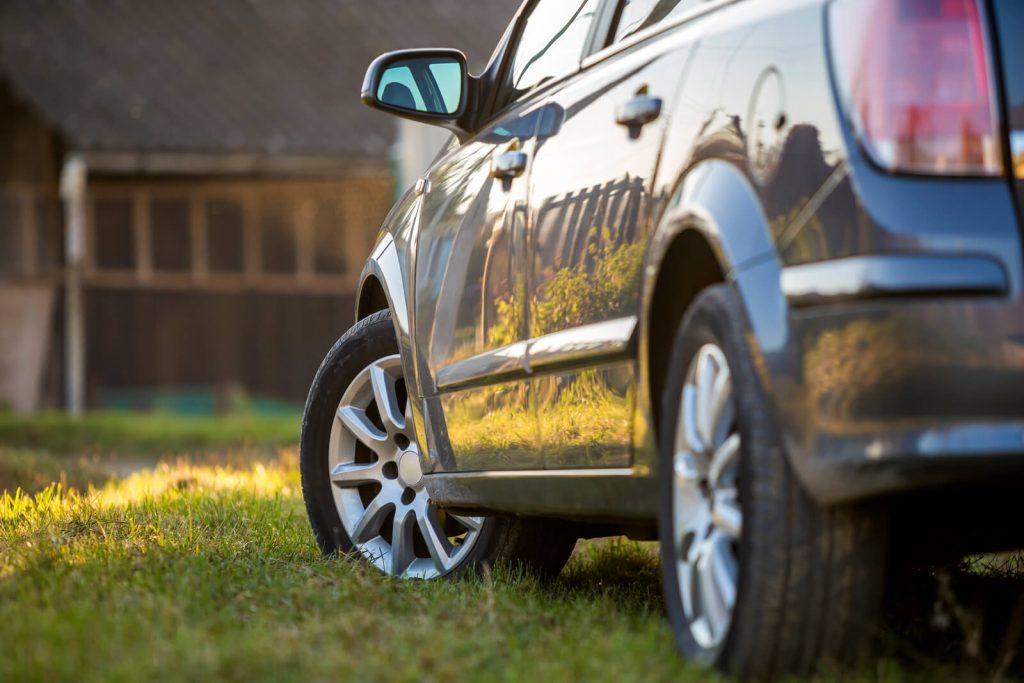
Jennifer picked up her new Audi Q5 from the dealership on a Saturday morning in December. The sales rep told her the factory paint protection would keep the car looking new for years. By March, she noticed swirl marks on the black paint and water spots on the hood. The factory protection had done nothing to prevent damage from Nashville’s pollen season.
New car detailing confuses most buyers. Dealerships sell protection packages with impressive names and premium prices. Some claim factory treatments last years without additional care. At Halo Mobile Detailing, we work on new vehicles across Belle Meade, Green Hills, Brentwood, and Franklin within weeks of purchase. Owners want to know what their car actually needs and when to invest in real protection.
The answers depend on how you plan to use the vehicle and what Nashville conditions it faces. Understanding the difference between dealer claims and actual car detailing services helps you make informed decisions about protecting your investment.
Key Takeaways
- New vehicles need detailing within the first 30 to 90 days to remove dealer prep damage and apply protection before environmental damage occurs.
- Factory paint protection consists of clear coat only, not additional sealants, despite dealer claims about special protective layers.
- Dealer protection packages typically cost $500 to $1,500 but provide value similar to $200 to $300 professional detailing.
- Nashville conditions including spring pollen, summer heat, and hard water require protective coating within the first season.
- The timing of your first detail depends on use patterns, with daily drivers needing protection immediately and garage-kept vehicles able to wait longer.
Call us at 615-815-8291 to schedule new vehicle protection before Nashville weather causes permanent paint damage.
What Factory Paint Protection Actually Covers
New vehicles leave the factory with multi-layer paint. E-coat provides corrosion resistance. Primer creates a smooth surface. Base coat supplies color. Clear coat sits on top and creates the glossy finish while protecting against UV damage. That clear coat layer is your factory paint protection. Nothing else comes standard.
Major manufacturers do not apply sealants during production. Some luxury brands apply temporary wax to protect paint during shipping, but this washes off during dealer prep. Dealership finance managers often describe factory paint as having special properties to sell their protection packages. These claims rarely match reality.
Dealer protection packages vary widely. Some dealerships apply legitimate ceramic coatings. Others spray polymer sealant lasting a few months and charge premium prices. The $1,200 package typically includes paint sealant, interior fabric protection, and sometimes wheel coating. Actual materials might cost $50 to $100 with the rest covering dealer markup.
Damage Before Delivery
Your new car collects paint damage before you ever see it. Vehicles ship from factories by truck or rail, sitting uncovered on transport carriers collecting road grime and rail dust. Storage lots offer no protection from elements. A car manufactured in November might sit outside through winter and spring before you buy it.
Dealership prep creates additional problems. The reality often involves automated car washes creating swirl marks and water spots from improper drying. The porter washing your new car has 15 minutes to finish and move to the next vehicle. Proper paint care is not the priority.
We regularly see brand new vehicles with moderate swirl marks visible in sunlight. Black, dark blue, and other dark colors show this damage immediately. Light colors hide the same swirls until you inspect under bright light.
When to Schedule First Detail
Detail within the first month if you bought a dark-colored vehicle, plan to park outside, or want ceramic coating. This timeline removes dealer damage before it etches into paint. Spring and summer purchases face immediate pollen and UV exposure that can cause permanent damage within weeks.
Most new vehicles do well with detailing in the first 90 days. This allows you to drive for a few weeks and decide how much protection makes sense based on actual use. You might discover your new SUV spends most time in the garage, meaning less aggressive protection makes sense.
Garage-kept vehicles or weekend cars can wait 6 to 12 months. Limited exposure reduces damage accumulation. A sports car sleeping in a climate-controlled garage faces minimal environmental stress and might only need basic protection for the first year.
What New Car Detailing Includes
Clay bar treatment removes embedded contaminants that washing cannot touch. Rail dust, industrial fallout, and tree sap overspray all require clay to extract from clear coat. New vehicles typically need light clay work to remove anything collected during transport.
Some new vehicles need light polishing to remove swirl marks from dealer prep. This differs from heavy paint correction on older vehicles. Single-stage polishing removes dealer swirls without aggressive cutting. Not every new vehicle needs polishing. Light-colored cars might show minimal damage.
Protection application separates basic detailing from services providing long-term value. Spray sealants offer 3 to 6 months of protection. Ceramic sealants deliver 12 to 18 months. True ceramic coatings provide 3 to 5 years of protection and dramatically reduce maintenance needs.
Nashville Considerations
Nashville’s pollen season runs mid-March through early June. Pollen proteins etch paint when heat activates them. New vehicles delivered in February or March need protection applied immediately. The first pollen season can cause permanent damage within 6 to 8 weeks on unprotected paint.
Summer temperatures regularly hit 90 to 95 degrees with paint surface temperatures reaching 180 degrees in direct sunlight. This heat accelerates all paint degradation. UV breaks down clear coat faster. Contaminants etch deeper. Ceramic coating provides the best UV resistance.
Nashville water hardness creates spotting when water evaporates. Summer water spots can etch deeply enough to need polishing for removal. Protection that creates hydrophobic properties minimizes water contact time and reduces spotting risk.
Getting New Vehicle Detailing from Halo
We provide new car detailing across Nashville at your location. Call us at 615-815-8291 or book online to schedule service.
New vehicle service includes paint inspection, decontamination with clay bar, polishing if needed, and protection application based on your budget and use patterns. Our mobile detailing service comes to your home or office in Green Hills, Belle Meade, Brentwood, Franklin, and surrounding areas.
FAQs About New Car Detailing
Should I refuse dealer paint protection?
Refusing dealer protection and arranging your own detailing usually saves money and provides better results. Dealer packages cost $1,000 to $1,500 for services independent detailers provide for $300 to $700. If the dealer includes protection as a no-cost incentive, accept it. If they charge separately, decline and schedule independent service.
How soon after buying can I detail my new car?
You can detail immediately after purchase. No break-in period exists for paint care. Earlier protection prevents damage occurring during waiting weeks. Detailing on delivery day works fine if you have service scheduled in advance.
Does new car detailing void my warranty?
Detailing does not void paint warranties. The manufacturer warranty covers paint defects from the factory, not damage from environmental exposure. Standard detailing and coating services create no warranty concerns.
Can I ceramic coat my new car myself?
DIY ceramic coating carries significant risk on new vehicles. Application mistakes create permanent issues requiring professional correction. The cost of fixing failed DIY coating often exceeds professional application cost. Consider starting with sealant you can apply yourself, then upgrading to professional ceramic coating later.
What protection works best for leased vehicles?
Three-year ceramic coating makes sense for 36-month leases. The coating maintains paint condition throughout the lease and helps avoid disposition fees for paint damage. Cost runs $650 to $900 upfront but prevents $500 to $2,000 in end-of-lease charges.