
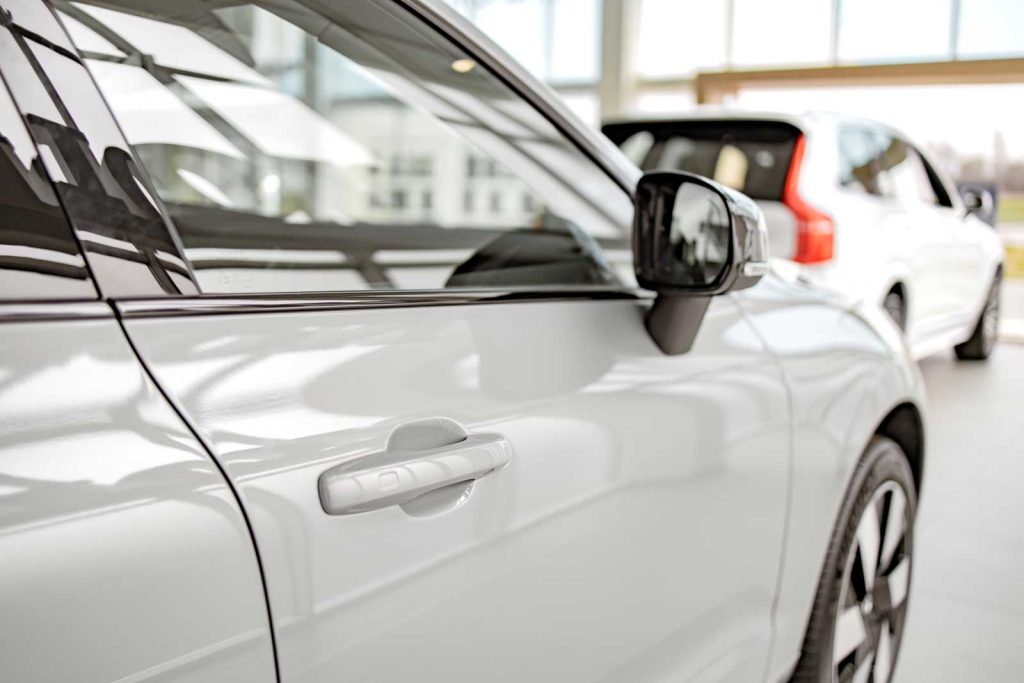
PPF vs ceramic coating Nashville represents one of the most common protection decisions vehicle owners face. Both services protect paint, but they address different threats through completely different mechanisms. Paint protection film physically blocks rock chips and scratches. Ceramic coating creates a chemical barrier against environmental contamination and makes maintenance easier.
This guide explains what each protection actually does, which threats each addresses, what they cost in Nashville, and how to decide which fits your vehicle’s needs and your budget.
Key Takeaways
Here’s a brief overview of the following article:
- What Each Protection Does: Paint protection film (PPF) is a physical barrier that absorbs impact from rocks, road debris, and scratches, while ceramic coating bonds chemically to paint and repels water, contaminants, and UV damage.
- Cost Difference in Nashville: PPF ranges from $1,500-7,000 for full vehicle coverage depending on film quality and vehicle size, while ceramic coating runs $650-1,200 for complete protection with 1-5 year warranties.
- Protection Priorities: Choose PPF if rock chips and physical damage are your main concern, ceramic coating if chemical resistance and easier maintenance matter most, or combine both for comprehensive protection against all threats.
- Nashville Driving Conditions: Highway commutes to Franklin and Brentwood create heavy rock chip exposure that favors PPF on high-impact areas, while urban Nashville driving benefits more from ceramic coating’s chemical and UV resistance.
- Longevity and Maintenance: Quality PPF lasts 7-10 years with minimal maintenance but yellows over time and costs significantly more to replace, while ceramic coating requires annual inspection and potential reapplication every 1-5 years depending on product quality.
- The Hybrid Approach: Many Nashville luxury vehicle owners apply PPF to front-impact areas (hood, bumper, fenders, mirrors) and ceramic coating over the entire vehicle including the PPF itself for maximum protection.
Book a consultation to discuss which protection fits your vehicle and driving patterns, or call 615-815-8291 for honest guidance.
The $3,500 Question Most Nashville Vehicle Owners Ask
Michael stood in the detail shop parking lot holding two quotes for his new BMW 5 Series. One shop recommended full PPF coverage for $5,200. Another suggested ceramic coating for $900.
Both claimed their solution provided the best paint protection available. Both showed impressive before-and-after demonstrations. Both made logical arguments about why their approach made more sense.
Michael drove home more confused than when he arrived. He wanted his BMW’s paint protected. The vehicle cost too much to let it deteriorate from Nashville’s roads and weather. But the information he found online contradicted itself constantly.
Forums claimed PPF yellowed and looked terrible after a few years. Other posts said ceramic coating was marketing hype that provided minimal real protection. Some people insisted you needed both. Others said neither was worth the money.
Three weeks later, Michael still hadn’t decided. His BMW accumulated its first rock chip on I-65 during his Franklin commute. The small paint damage bothered him more than it should have because he knew protection would have prevented it.
This confusion plays out across Nashville every day. Vehicle owners want their paint protected but can’t determine which service actually delivers what they need. The decision becomes paralyzed by conflicting information and aggressive sales tactics.
Understanding what PPF and ceramic coating actually do—and more importantly, what they don’t do—eliminates this confusion. Each protection serves specific purposes. Neither is universally better. The right choice depends on your actual driving conditions, budget, and what you’re trying to prevent.
What Paint Protection Film Actually Does
Paint protection film, commonly called PPF or clear bra, is a thick urethane film applied to vehicle paint surfaces. The film physically absorbs impact that would otherwise damage paint.
How PPF Protects Against Physical Damage
PPF works like a sacrificial layer. When a rock hits your hood at highway speed, it impacts the film instead of paint. The urethane absorbs and disperses the energy, preventing paint chips.
The film thickness ranges from 6-8 mils depending on the product. This substantial barrier handles impacts that would crack or chip unprotected clear coat. The film takes the damage so your paint doesn’t.
Quality PPF also features self-healing properties. Light scratches and swirl marks disappear when heat is applied. Park in Nashville’s summer sun and surface scratches heal themselves through the urethane’s molecular memory.
PPF prevents other physical damage too. Shopping cart scratches at Green Hills mall. Branch contact during tight parking. Car wash brush marks. The film shields paint from contact damage that ceramic coating cannot prevent.
What PPF Cannot Protect Against
PPF doesn’t address chemical contamination. Bird droppings still etch if left too long. Tree sap bonds to the film. Road tar sticks. Industrial fallout embeds in the urethane surface.
The film also doesn’t make washing easier or create significant hydrophobic properties. Water beads slightly better than bare paint, but PPF doesn’t provide the self-cleaning characteristics ceramic coating delivers.
UV resistance exists in quality PPF, but the film itself can yellow over time from sun exposure. Top-tier products resist yellowing for 7-10 years, but budget films often discolor within 3-5 years.
PPF also requires professional installation. The application process is labor-intensive and technique-dependent. Poor installation creates bubbles, edges that lift, and an unprofessional appearance that diminishes your vehicle’s look.
PPF Coverage Options and Cost Implications
Full vehicle PPF coverage provides maximum protection but costs $4,000-7,000 depending on vehicle size and film quality. This comprehensive approach wraps every painted surface.
Partial coverage focuses on high-impact areas: full front bumper, hood, fenders, mirrors, door edges, and rocker panels. This approach costs $1,500-2,500 and protects the areas most vulnerable to rock chips and road debris.
Some Nashville drivers choose minimal coverage on just the front bumper and headlights for $800-1,200. This budget approach protects the most exposed area without comprehensive investment.
The cost difference is substantial, which makes many people compare PPF to ceramic coating’s lower price point without understanding they’re protecting against different threats.
What Ceramic Coating Actually Does
Ceramic coating creates a chemical bond with your vehicle’s paint that forms a protective layer at the molecular level. This layer provides specific benefits that PPF cannot deliver.
How Ceramic Coating Protects Paint Chemically
The coating bonds to paint and creates a hydrophobic surface that repels water and contaminants. This characteristic prevents chemicals from sitting on paint long enough to cause damage.
Bird droppings, tree sap, road salt, and industrial fallout slide off coated surfaces more easily. When contamination does land, the coating prevents it from bonding to paint. Quick removal becomes much simpler.
UV protection comes from the coating’s resistance to oxidation. Nashville’s intense summer sun breaks down unprotected clear coat over years. Ceramic coating shields paint from UV degradation and prevents the fading and chalking that develops on older vehicles.
The coating also resists chemical etching. Acid rain, which Nashville experiences periodically, etches unprotected paint. The ceramic barrier prevents these chemicals from reaching clear coat.
What Ceramic Coating Cannot Prevent
Ceramic coating will not stop rock chips. The coating is measured in microns—far too thin to absorb physical impact. A rock traveling at highway speed goes straight through the coating and chips paint underneath.
The coating doesn’t prevent all scratches either. Automatic car wash brushes, improper washing technique, and heavy contact all scratch through ceramic coating just as they would scratch bare paint. The coating adds hardness but not enough to resist significant mechanical force.
Ceramic coating also isn’t permanent. Professional-grade coatings last 1-5 years depending on product quality, but they do degrade over time. Maintenance and eventual reapplication are required to maintain protection.
Ceramic Coating Maintenance Benefits
The primary advantage ceramic coating delivers is easier vehicle maintenance. The hydrophobic surface makes washing significantly faster and more effective.
Water sheets off during rain, carrying dirt with it. This self-cleaning effect means your vehicle stays cleaner longer between washes. When you do wash, contaminants release more easily because they haven’t bonded to paint.
This maintenance benefit saves time and money over years of ownership. Monthly Express service becomes quicker and more effective on ceramic-coated vehicles. The coating pays for itself through reduced cleaning time and fewer deep correction needs.
Comparing PPF and Ceramic Coating Performance in Nashville Conditions
Nashville’s specific driving environment and climate create particular threats that favor one protection over the other depending on your situation.
Highway Commuting and Rock Chip Reality
Daily commutes on 65, 24, or 440 expose your vehicle to constant rock chip risk. Dump trucks, construction vehicles, and heavy traffic create a steady stream of debris impacts at highway speeds.
This environment strongly favors PPF on high-impact areas. Front bumper, hood, and fenders take the most damage during highway driving. PPF on these surfaces prevents chips that ceramic coating cannot stop.
Brentwood and Franklin commuters who drive 30-50 highway miles daily see the most benefit from PPF investment. The protection prevents damage accumulation that destroys resale value over 3-5 years of ownership.
Urban Nashville Driving and Environmental Stress
Downtown Nashville parking, surface street driving, and stop-and-go traffic create different threats. Tree sap from parking under Bradford pears. Bird droppings from downtown buildings. Industrial fallout from surrounding areas.
These chemical and environmental threats favor ceramic coating. The coating’s hydrophobic and chemical-resistant properties address urban environmental stress better than PPF.
Vehicles driven primarily in Green Hills, 12 South, or downtown Nashville benefit more from ceramic coating than from expensive PPF installation. The threats you face don’t involve high-speed rock impacts.
Seasonal Considerations
Nashville summers bring intense UV exposure that degrades both PPF and paint over time. Quality ceramic coating provides better UV resistance than budget PPF, which can yellow noticeably after 3-4 years in Tennessee sun.
Winter road salt and chemical treatments bond to PPF just as they do to bare paint. Ceramic coating’s chemical resistance makes salt removal easier during winter maintenance.
Spring pollen season creates that yellow-green film everyone recognizes. Ceramic-coated vehicles wash clean far more easily than PPF or unprotected paint. The hydrophobic properties prevent pollen from bonding to surfaces.
Cost Analysis: PPF vs Ceramic Coating in Nashville
Understanding total cost of ownership over 5-10 years reveals the real financial difference between these protection options.
Initial Investment Comparison
PPF partial coverage (front bumper, hood, fenders, mirrors): $1,500-2,500
PPF full vehicle coverage: $4,000-7,000
Ceramic coating FEYNLAB Level I (1-year warranty): $650-900
Ceramic coating FEYNLAB Level III (5-year warranty): $900-1,200
The initial cost difference is significant. Full PPF costs 4-7 times more than premium ceramic coating. Even partial PPF exceeds ceramic coating cost substantially.
Long-Term Maintenance and Replacement
Quality PPF lasts 7-10 years before requiring replacement. During this period, the film needs minimal maintenance beyond regular washing. When replacement becomes necessary, you pay the full installation cost again.
Ceramic coating requires annual inspection and potential reapplication every 1-5 years. Level I coating might need renewal annually at $650-900. Level III coating lasts longer but still requires eventual reapplication.
Over 10 years:
- PPF full coverage: $4,000-7,000 initial + $4,000-7,000 replacement = $8,000-14,000
- Ceramic coating Level III: $900-1,200 initial + 1-2 reapplications = $1,800-3,600
The lifetime cost difference remains substantial. PPF costs 3-4 times more than ceramic coating over a decade of ownership.
Protection Value Per Dollar
PPF delivers unmatched protection against physical damage but costs significantly more per year of coverage. If your primary concern is rock chips and you drive highway miles daily, the premium cost may be justified.
Ceramic coating provides excellent chemical protection and maintenance benefits at much lower cost. For urban drivers facing environmental threats rather than physical impacts, ceramic coating delivers better value.
The decision ultimately depends on which threat your vehicle faces most. Neither protection is overpriced if it prevents the specific damage your driving conditions create.
When PPF Makes More Sense Than Ceramic Coating
Specific circumstances clearly favor PPF investment despite the higher cost. Understanding these situations helps you make the right choice for your needs.
New Luxury or High-Value Vehicles
Vehicles worth $60,000+ often justify PPF investment because paint damage significantly impacts resale value. A well-maintained BMW, Mercedes, or Tesla commands premium pricing. Visible rock chips destroy that premium.
PPF preserves factory paint condition through years of ownership. When you sell or trade, the protected paint delivers measurable return on your protection investment.
Budget vehicles don’t justify this investment. A $25,000 sedan loses value from age and mileage more than from paint chips. PPF cost represents too high a percentage of vehicle value.
High Highway Mileage Drivers
If you drive 500+ highway miles weekly, rock chip exposure becomes severe. Daily Franklin-to-Nashville commutes or frequent road trips create constant impact events.
PPF on high-impact areas (front bumper, hood, fenders) makes financial sense. You’ll prevent dozens or hundreds of chips over several years. The protection pays for itself by maintaining paint integrity.
Low-mileage drivers don’t face this level of exposure. Vehicles driven 5,000 miles annually don’t need PPF protection because impact opportunities are minimal.
Track or Performance Vehicle Owners
Track day participants or spirited driving enthusiasts subject vehicles to extreme conditions. High speeds increase impact force. Track debris creates additional chip opportunities.
Full PPF coverage protects expensive performance vehicle paint during aggressive use. The investment makes sense when you’re pushing the vehicle beyond normal street driving.
Lease Vehicles Returning in 2-3 Years
PPF prevents the paint damage that creates excess wear charges at lease return. Protection on high-impact areas costs less than the charges dealerships assess for chipped or damaged paint.
This calculation works specifically for short-term leases where you return the vehicle before PPF needs replacement. The film protects through your ownership period then transfers with the vehicle.
When Ceramic Coating Makes More Sense Than PPF
Different driving patterns and vehicle uses favor ceramic coating’s benefits over PPF’s physical protection.
Daily Drivers with Moderate Mileage
Vehicles driven 10,000-15,000 miles annually in mixed city and highway conditions benefit more from ceramic coating’s ease of maintenance and chemical protection.
You face environmental contamination daily but don’t accumulate severe rock chip damage. Ceramic coating keeps your vehicle cleaner, makes washing easier, and protects against the chemical threats you actually encounter.
Older Vehicles Needing Protection
Applying PPF to a 5-year-old vehicle with existing paint chips makes little sense. The film can’t hide existing damage and the vehicle’s value doesn’t justify the expense.
Ceramic coating works well on older vehicles. Premium Detail with paint correction followed by ceramic coating restores appearance and protects paint moving forward. The reasonable cost fits vehicles at this stage of ownership.
Budget-Conscious Protection
When you want paint protection but can’t justify $2,000-5,000 for PPF, ceramic coating delivers meaningful benefits at accessible pricing.
$650-1,200 provides real chemical protection and maintenance benefits. The investment makes sense for middle-market vehicles where PPF cost seems excessive.
Dark-Colored Vehicles Showing Water Spots
Black, dark blue, and dark gray vehicles show water spots prominently. Nashville’s hard water creates visible spotting on dark paint that looks terrible after rain.
Ceramic coating’s hydrophobic properties prevent water from sitting on paint long enough to leave mineral deposits. Water sheets off, leaving surfaces spot-free. This benefit alone justifies coating for dark vehicle owners.
The Hybrid Approach: Combining PPF and Ceramic Coating
Many Nashville luxury vehicle owners use both protections strategically to address all threats without excessive cost.
Strategic PPF Placement with Full Ceramic Coating
This approach applies PPF to high-impact zones (front bumper, hood, fenders, mirrors, door edges) and ceramic coating over the entire vehicle including the PPF itself.
The PPF blocks physical damage on vulnerable areas. Ceramic coating provides chemical protection and easy maintenance on all surfaces. Coating applied over PPF also improves the film’s hydrophobic properties and makes it easier to clean.
Total cost runs $2,500-3,500 depending on vehicle size. This hybrid delivers comprehensive protection for less than full PPF coverage while addressing both physical and chemical threats.
Installation Sequence Matters
PPF must be installed before ceramic coating. The coating bonds to PPF just as it bonds to paint, creating a unified protected surface.
Some installers recommend waiting 30 days after PPF installation before applying ceramic coating. This delay allows the film to fully cure and any remaining installation solution to evaporate.
The timing requires coordination between installers if you use different shops for each service. FEYNLAB-certified installers often have relationships with quality PPF shops and can coordinate the sequence properly.
Maintenance of Combined Protection
Hybrid protection simplifies maintenance because the ceramic coating covers everything. Your entire vehicle receives the same easy-clean benefits regardless of what’s underneath.
Monthly washing maintains both the PPF and ceramic coating. The coating prevents contamination from bonding to the PPF, which extends the film’s clarity and appearance over years.
Annual inspection checks both protection layers. PPF edges get examined for lifting. Ceramic coating gets assessed for degradation. This combined maintenance ensures both layers continue protecting effectively.
Common Misconceptions About PPF and Ceramic Coating
Marketing claims and enthusiastic owner testimonials create unrealistic expectations about what these protections actually deliver.
“Ceramic Coating Will Prevent All Scratches”
This claim appears frequently in marketing material. It’s false. Ceramic coating adds hardness to paint, but not enough to prevent scratches from mechanical contact.
Automatic car wash brushes scratch ceramic-coated paint. Keys scratch it. Improper washing technique scratches it. The coating provides minimal scratch resistance compared to its chemical protection benefits.
If scratch prevention is your primary concern, only PPF provides meaningful protection. Ceramic coating won’t solve this problem.
“PPF Requires No Maintenance”
Some installers claim PPF needs nothing beyond normal washing. This oversimplifies reality.
PPF collects contamination just like paint. Bird droppings, tree sap, and tar bond to the film. These contaminants need prompt removal to prevent staining or etching the urethane.
The film also benefits from periodic protection products designed specifically for PPF. These treatments maintain the film’s hydrophobic properties and appearance over years.
Neglected PPF looks dull and contaminated. Proper maintenance keeps it clear and performing well through its lifespan.
“Ceramic Coating Lasts Forever”
Even premium ceramic coatings degrade over time. Environmental exposure, washing, and normal wear gradually diminish the coating’s effectiveness.
Quality coatings last 1-5 years depending on product and maintenance. After this period, reapplication becomes necessary to maintain protection benefits.
Claiming permanent protection sets false expectations. Ceramic coating is durable but not eternal.
“You Don’t Need Protection—Just Wash Your Car Regularly”
Regular washing helps but doesn’t provide the same protection as PPF or ceramic coating. Washing removes surface contamination but can’t prevent rock chips or make future washing significantly easier.
Unprotected paint still chips from impacts, etches from chemicals, and oxidizes from UV exposure. Washing addresses symptoms but doesn’t prevent the underlying damage mechanisms.
Protection products work because they prevent damage at the source rather than just cleaning up after it happens.
Making Your Protection Decision for Nashville Conditions
The right choice depends on honest assessment of your actual driving conditions, vehicle value, and protection priorities.
Questions to Ask Yourself
How many highway miles do you drive monthly? High highway mileage points toward PPF on front surfaces. Primarily urban driving suggests ceramic coating.
What’s your vehicle worth? Vehicles over $50,000 often justify PPF investment. More modest vehicles benefit more from ceramic coating’s value proposition.
What bothers you most, rock chips or difficult cleaning? Physical damage concerns favor PPF. Maintenance frustration and chemical contamination favor ceramic coating.
How long do you plan to own this vehicle? Short ownership (2-3 years) can justify PPF that protects through your ownership. Long ownership (7+ years) makes ceramic coating’s lower cost and easier reapplication more practical.
Getting Honest Guidance
Seek advice from installers who offer both services and don’t push one over the other based on profit margin. Quality shops assess your needs honestly and recommend the protection that actually fits.
Ask to see vehicles they’ve protected 2-3 years ago. Real-world results reveal how protection actually performs in Nashville conditions over time.
Request detailed cost breakdowns that include maintenance and eventual replacement. Understanding total ownership cost over 5-10 years clarifies the real investment.
Starting with One and Adding the Other Later
You don’t need to make both decisions simultaneously. Many Nashville vehicle owners start with ceramic coating for immediate benefits and add PPF later if rock chip damage becomes concerning.
This staged approach spreads cost over time and lets you experience ceramic coating’s benefits before committing to expensive PPF installation.
The reverse works too. PPF can be applied first, with ceramic coating added later to improve the film’s performance and protect uncovered areas.
Professional Installation Matters for Both Protection Types
Both PPF and ceramic coating require skilled installation to deliver promised results. Poor installation wastes money and creates problems that proper work avoids.
PPF Installation Quality Indicators
Professional PPF installation requires climate-controlled environments, precision cutting equipment, and extensive technique training. The film must be applied without bubbles, properly stretched around curves, and trimmed to precise edges.
Look for installers with manufacturer certification from 3M, XPEL, or SunTek. These programs ensure installers meet quality standards and use proper techniques.
Request to see completed installations on similar vehicles. Examine door edges, bumper seams, and curved surfaces for smooth application without lifting or bubbling.
Ceramic Coating Application Standards
FEYNLAB certification ensures installers understand proper surface preparation, coating application, and curing requirements. Certification training covers the techniques that create durable bonds and long-lasting results.
Surface preparation determines coating success. Paint must be clean, corrected, and free of oils before coating application. Poor prep creates bonding failures that look fine initially but fail within months.
Ask about the prep process included in the quoted price. Quality installations include paint decontamination, clay bar treatment, and polishing before coating application.
Why Installation Cost Varies
Installation pricing differences reflect skill level, product quality, and preparation thoroughness. The cheapest quote often indicates shortcuts that compromise results.
Experienced installers charge appropriate rates for their skill and the time required for quality work. Rushing ceramic coating application or PPF installation creates problems that appear later.
Product quality varies dramatically too. Budget ceramic coatings fail quickly. Low-grade PPF yellows within years. Premium products cost more but deliver the performance you’re paying to protect your paint.
Protecting Your Nashville Vehicle the Right Way
Both PPF and ceramic coating serve valuable purposes when matched to actual protection needs and driving conditions. Neither is universally superior. The right choice depends on understanding what you’re trying to prevent.
PPF excels at physical damage prevention: rock chips, scratches, and impact protection. The investment makes sense for high-value vehicles, highway commuters, and situations where maintaining pristine paint matters for resale value.
Ceramic coating delivers chemical protection, UV resistance, and dramatically easier maintenance. The accessible cost and real benefits make sense for daily drivers, urban vehicles, and owners who value cleanliness and ease of care.
The hybrid approach combines both protections strategically: PPF on high-impact areas and ceramic coating everywhere. This delivers comprehensive protection without the extreme cost of full PPF coverage.
HALO Mobile Detailing provides professional ceramic coating installation throughout Nashville, Brentwood, and Franklin. Our FEYNLAB certification ensures proper surface preparation and coating application that delivers lasting protection.
We also provide honest guidance about whether ceramic coating, PPF, or a combination makes the most sense for your specific vehicle and driving conditions. The goal is protection that actually fits your needs, not pushing the highest-margin service.
Schedule a consultation to discuss which protection approach suits your vehicle, or call 615-815-8291 for straightforward answers about protecting your paint investment.
FAQs About PPF vs Ceramic Coating for Nashville Vehicles
Below are answers to common questions about choosing between paint protection film and ceramic coating.
Can you apply ceramic coating over paint protection film?
Yes. Ceramic coating bonds to PPF just as it bonds to paint. Applying coating over PPF improves the film’s hydrophobic properties, makes it easier to clean, and provides chemical protection to the film itself. The coating should be applied 30 days after PPF installation to allow proper film curing.
How long does PPF last compared to ceramic coating in Nashville’s climate?
Quality PPF lasts 7-10 years before requiring replacement, though it may yellow from UV exposure after 5-7 years in Tennessee sun. Ceramic coating lasts 1-5 years depending on product quality and maintenance. PPF provides longer physical protection, but ceramic coating is easier and less expensive to reapply when needed.
Does ceramic coating prevent rock chips like PPF does?
No. Ceramic coating is too thin (measured in microns) to absorb physical impact. Rock chips will damage paint through ceramic coating just as they damage unprotected paint. Only PPF’s thick urethane layer prevents rock chip damage. If rock chips are your primary concern, ceramic coating won’t solve the problem.
What’s the best protection option for highway commuters in Nashville?
Highway commuters benefit most from PPF on high-impact areas (front bumper, hood, fenders, mirrors) combined with ceramic coating on the rest of the vehicle. This hybrid approach prevents rock chips where impacts concentrate while providing chemical protection and easy maintenance everywhere else. Total cost runs $2,500-3,500 for most vehicles.
Is full PPF worth the cost for a $35,000 vehicle?
Full PPF typically isn’t cost-effective for vehicles under $50,000. The $4,000-7,000 installation cost represents 11-20% of the vehicle’s value. Partial PPF on front surfaces or ceramic coating provides meaningful protection at more appropriate cost for mid-range vehicles. Reserve full PPF for luxury vehicles where paint condition significantly impacts resale value.
Can PPF be removed without damaging paint?
Yes, quality PPF removes cleanly from paint when properly installed and removed by professionals. The film should come off without leaving adhesive residue or damaging clear coat. DIY removal or attempting to remove old, degraded film increases damage risk. Professional removal costs $300-800 depending on coverage area.
Which protection helps more with Nashville’s hard water spots?
Ceramic coating prevents water spots far more effectively than PPF. The coating’s hydrophobic properties cause water to sheet off rather than sitting on paint and leaving mineral deposits. PPF provides minimal water-beading compared to ceramic coating’s strong hydrophobic characteristics. Dark vehicles in Nashville particularly benefit from ceramic coating’s water spot prevention.
Do I need paint correction before applying ceramic coating or PPF?
PPF doesn’t require paint correction because the film covers existing imperfections. However, imperfections remain visible under clear film. Ceramic coating requires paint correction to remove swirls and scratches because the coating enhances paint appearance—both good and bad. Correcting paint before coating creates the best possible results.
How much does partial PPF coverage cost in Nashville?
Partial PPF covering front bumper, hood, fenders, and mirrors typically costs $1,500-2,500 in Nashville depending on vehicle size and film quality. This strategic coverage protects high-impact areas without the $4,000-7,000 cost of full vehicle coverage. Many Nashville drivers find partial PPF plus ceramic coating provides the best protection value.
Can ceramic coating be applied to older vehicles with faded paint?
Yes, but results depend on paint condition. Severely faded or oxidized paint requires paint correction before coating application. The correction process removes oxidation and restores gloss. Ceramic coating then protects the restored finish. Starting with Premium Detail plus ceramic coating makes sense for older vehicles needing both correction and protection.