
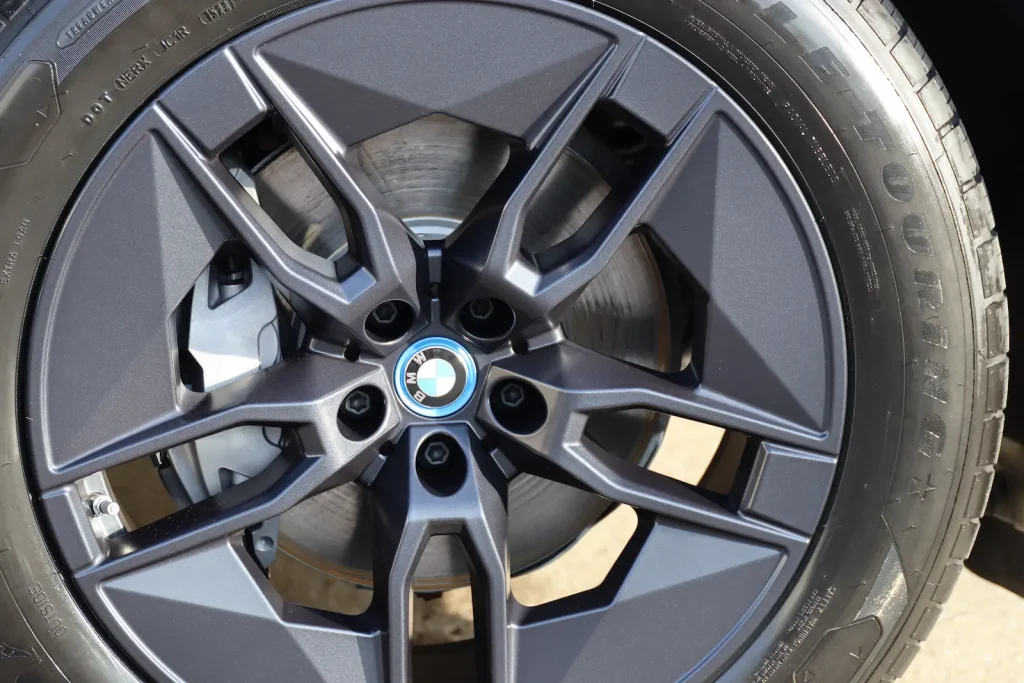
Your wheels take more punishment than any other part of your vehicle. Brake dust, road salt, tar, and constant heat cycling create a maintenance nightmare that regular washing can’t solve. In Nashville’s climate, where spring pollen settles into every crevice and winter road treatments leave stubborn residue, unprotected wheels require scrubbing that wastes time and risks damage to expensive finishes.
Wheel ceramic coating creates a barrier that makes cleaning dramatically easier while protecting against the corrosive effects of brake dust and environmental contaminants. As a FEYNLAB Approved Installer, we see how proper wheel protection transforms maintenance from a chore into a simple rinse for most Nashville drivers.
The investment makes particular sense for luxury vehicles common in Belle Meade and Brentwood, where BMW, Mercedes, Porsche, and high-end truck owners deal with expensive wheel replacements when corrosion sets in. Mobile detailing brings this protection directly to your driveway, eliminating the hassle of shop visits.
Key Takeaways
Why Wheels Need Protection Most: Brake dust contains iron particles that bond to wheel surfaces and corrode over time, while constant heat cycling makes wheels more vulnerable than paint.
What Ceramic Coating Does: Creates a hydrophobic barrier that prevents brake dust bonding, reduces cleaning time by 70%, and protects against corrosion from road salt and chemicals.
Nashville-Specific Benefits: Spring pollen rinses off easily, winter road treatments can’t penetrate the coating, and summer heat doesn’t degrade the protection like traditional wheel wax.
Pricing Structure: Wheel-only coating runs $200-400 depending on wheel size and condition, while adding wheels to full vehicle coating saves 30-40% compared to separate services.
Maintenance Reality: Coated wheels typically need deep cleaning every 6-8 weeks instead of weekly scrubbing, with most dirt coming off during regular washing.
Call 615-815-8291 to schedule wheel ceramic coating that cuts your cleaning time in half.
Why Wheels Suffer More Than Paint
Wheels endure conditions that would destroy paint in weeks. Every time you brake, iron particles from brake pads embed into wheel surfaces at temperatures exceeding 400 degrees. These particles oxidize and create the brown staining that requires aggressive scrubbing to remove.
Road salt compounds the problem during Nashville winters, creating a corrosive environment that etches into aluminum and damages wheel finishes permanently. The constant expansion and contraction from heat cycling opens microscopic pores in wheel surfaces, allowing contaminants to penetrate deeper than they ever could on paint.
Traditional wheel cleaners work by dissolving this embedded contamination chemically, but repeated use gradually damages wheel finishes. Chrome wheels pit, painted wheels lose their clear coat, and even powder-coated wheels develop a hazy appearance from constant chemical exposure.
How Ceramic Coating Changes Wheel Maintenance
Ceramic coating bonds to wheel surfaces at the molecular level, creating a barrier that prevents brake dust and contaminants from embedding. Instead of bonding to the wheel, brake dust sits on top of the coating where water pressure and gentle agitation remove it easily.
The hydrophobic properties mean water sheets off coated wheels, taking loose contamination with it. During Nashville’s pollen season, this makes a dramatic difference. Pollen that would normally require scrubbing rinses away with a garden hose.
Heat resistance is crucial for wheel coatings. FEYNLAB ceramic coatings withstand temperatures up to 1,400 degrees, far exceeding what brake systems generate during normal driving. This thermal stability means the coating won’t break down from heat cycling like traditional wheel waxes that last maybe two weeks.
Nashville Climate Considerations
Spring brings unique challenges for wheel maintenance. Tree pollen combines with spring rains to create a paste-like coating that bonds to untreated wheels. Coated wheels shed this mixture naturally, eliminating the need for frequent deep cleaning during the March through May pollen season.
Summer heat and UV exposure degrade traditional wheel protection rapidly. By July, most wheel waxes have failed completely, leaving wheels vulnerable to oxidation and staining. Ceramic coating maintains full protection through Nashville’s intense summer conditions.
Winter road treatments present the biggest long-term threat to wheel finishes. Tennessee Department of Transportation uses salt brine and other deicing chemicals that create corrosive conditions lasting well into spring. Coated wheels resist this chemical attack, preventing the pitting and corrosion that destroys expensive wheels over multiple seasons.
Luxury Vehicle Wheel Protection
Belle Meade and Brentwood driveways showcase vehicles with wheels worth $2,000-8,000 per set. BMW M-Sport wheels, Mercedes AMG wheels, and Porsche Sport wheels use finishes that require specialized care. German car detailing includes wheel protection as essential maintenance, not optional enhancement.
These premium wheels often use painted or powder-coated finishes that show damage quickly when brake dust embeds and oxidizes. The cost of refinishing four wheels typically ranges from $800-1,500, making ceramic coating protection a smart financial decision for luxury vehicle owners.
Matte finish wheels present special challenges. Traditional cleaning methods can alter the finish permanently, creating glossy spots where aggressive cleaners remove the matte coating. Matte paint care principles apply to matte wheels, where ceramic coating provides protection without changing the intended appearance.
Truck Wheel Considerations
Nashville’s truck culture includes many $70,000+ vehicles with wheels to match. F-150 Raptor, Ram TRX, and Silverado Trail Boss trucks often feature wheels worth $3,000-5,000 per set. These vehicles see conditions that make wheel protection essential.
Off-road use exposes wheels to mud, sand, and rock impacts that embed contamination deep into wheel surfaces. Ceramic coating for trucks provides a release layer that makes cleaning easier after trail use.
Towing creates additional brake heat that accelerates brake dust accumulation and makes cleaning more difficult. Coated wheels handle these extreme conditions better, maintaining their appearance even under heavy use.
Coating Process and Preparation
Proper wheel coating requires complete decontamination before application. This includes removing all brake dust, road tar, and old wax or sealant residue. Iron remover dissolves embedded brake dust chemically, while clay treatment removes bonded contamination mechanically.
Some wheels require paint correction before coating. Scratches from aggressive cleaning, oxidation, or chemical etching must be addressed for optimal coating adhesion and appearance. This adds time and cost but ensures maximum protection and longevity.
The coating application happens in controlled conditions away from dust and direct sunlight. Each wheel receives multiple thin coats with proper curing time between applications. Total process time runs 2-4 hours depending on wheel condition and the number of vehicles.
Cost Structure and Value Analysis
Wheel-only ceramic coating typically costs $200-400 depending on vehicle type and wheel condition. Luxury vehicles with complex spoke designs or damaged finishes require more preparation time, increasing cost accordingly.
Adding wheel coating to a full vehicle ceramic coating package provides significant savings. The combined service reduces cost by 30-40% compared to separate appointments, making it the preferred option for most customers seeking comprehensive protection.
Value calculation includes time savings, reduced cleaning product costs, and protection against expensive wheel refinishing. Most customers recoup the coating cost within 18-24 months through reduced maintenance time and avoided damage.
Maintenance After Coating
Coated wheels require different maintenance than unprotected wheels. Weekly rinsing removes most contamination, while monthly deeper cleaning addresses stubborn residue. This represents a 70% reduction in maintenance time compared to uncoated wheels.
Ceramic coating maintenance includes using pH-neutral wheel cleaners that won’t degrade the coating. Avoiding harsh chemicals and brushes preserves coating integrity for maximum longevity.
Periodic coating inspection identifies any damage or wear that might require attention. Most wheel coatings last 2-3 years with proper care, providing excellent return on investment through reduced maintenance and protection against expensive damage.
Integration with Full Vehicle Protection
Most customers choose wheel coating as part of comprehensive vehicle protection. FEYNLAB ceramic coating tiers include wheel protection in Level II and Level III packages, providing better value than individual services.
This integrated approach ensures consistent protection across all vehicle surfaces. Paint, wheels, and trim receive appropriate protection levels that work together for easier maintenance and superior results.
The mobile service brings all necessary equipment to your location, eliminating the inconvenience of multiple shop visits. Setup includes power generation, lighting, and controlled application environment that matches shop quality results.
Frequently Asked Questions
How long does wheel ceramic coating last?
Wheel ceramic coating typically lasts 2-3 years with proper maintenance. The constant heat cycling and harsh conditions wheels endure make this shorter than paint coating longevity, but the protection remains cost-effective compared to frequent deep cleaning and potential refinishing costs.
Can ceramic coating be applied over existing wheel damage?
Minor scratches and oxidation can be corrected before coating application, but significant damage like deep scratches, corrosion, or peeling clear coat requires professional refinishing first. We evaluate each wheel’s condition and recommend appropriate preparation to ensure optimal coating performance.
Does wheel coating change the appearance?
Ceramic coating enhances existing wheel finish without changing color or gloss level. Clean wheels appear slightly more vibrant due to contamination removal during preparation, but the coating itself adds minimal visual change while providing maximum protection benefits.
What happens if one wheel gets damaged after coating?
Individual wheel recoating is possible if damage occurs to a single wheel. The process involves paint correction if needed, followed by coating application to match the remaining wheels. This flexibility makes ceramic coating practical for vehicles that might experience occasional wheel damage.
How much does adding wheels to full vehicle coating save?
Adding wheel coating to a complete vehicle ceramic coating package typically saves 30-40% compared to separate services. The combined appointment eliminates duplicate setup time and travel costs, passing those savings to customers while ensuring consistent protection across all vehicle surfaces.
Ready to eliminate weekly wheel scrubbing and protect your investment? HALO Mobile Detailing brings FEYNLAB wheel ceramic coating directly to your Nashville location, whether you’re in Belle Meade dealing with luxury vehicle maintenance or Brentwood protecting your family’s investment. Our mobile service means no shop visits, no waiting, and professional results that cut your cleaning time in half. Call 615-815-8291 to schedule wheel ceramic coating that makes sense for your vehicle and lifestyle.