
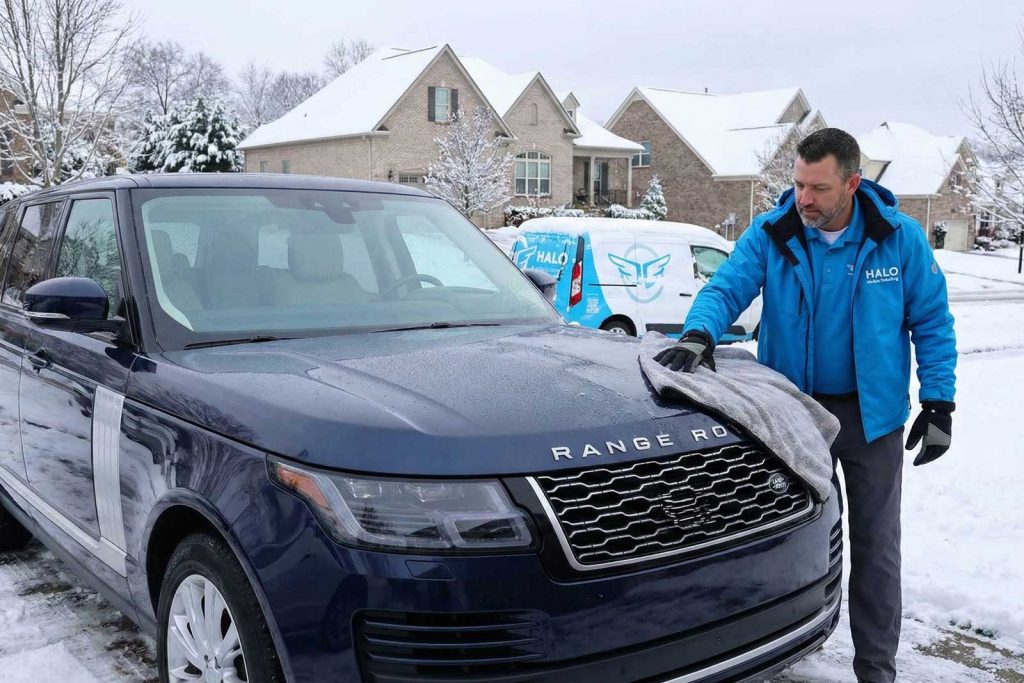
Winter car detailing Nashville prepares your vehicle for the seasonal challenges that damage paint, deteriorate interiors, and create maintenance problems that cost more to fix in spring. Nashville winters may be mild compared to northern states, but moisture, road treatments, and temperature fluctuations still stress your vehicle in ways that proper protection prevents.
This guide explains which detailing services protect against Nashville’s specific winter conditions, when to schedule pre-winter preparation, and how to maintain your vehicle through the season without letting damage accumulate.
Key Takeaways
Here’s a brief overview of the following article:
- Nashville’s Winter Reality: Nashville winters bring freezing rain, road salt applications, temperature swings between 30-60 degrees, and constant moisture that promotes rust and paint degradation without proper protection.
- Pre-Winter Protection Services: Ceramic coating applied in late October or November creates a protective barrier against salt and moisture, while Premium Detail with clay bar and sealant prepares paint surfaces before harsh conditions arrive.
- Interior Winter Threats: Salt tracked inside on shoes, moisture from wet clothing and umbrellas, and mud from winter storms create stains and odors that require preventive floor mat protection and regular maintenance.
- Ongoing Winter Maintenance: Monthly Express service removes accumulated salt and road grime before corrosion develops, preventing the damage that typically shows up in spring.
- Mobile Service Advantage: Mobile detailing works well during Nashville winters because service happens in your garage or covered location, eliminating the need to drive a wet vehicle to a shop in cold weather.
- Post-Winter Correction Needs: Even protected vehicles benefit from spring Premium Detail to address any winter damage, remove embedded contaminants, and restore the protection layer before summer.
Book winter preparation service to protect your vehicle before Nashville’s cold weather arrives.
The Spring Discovery Most Nashville Drivers Make Too Late
Sarah pulled her Lexus out of the garage on a warm March morning. Sunlight hit the hood at just the right angle to reveal something she hadn’t noticed during winter’s gray days.
The paint looked dull. Small white spots dotted the lower panels. The wheel wells showed rust starting. Her black paint had developed a haze she couldn’t wipe away.
She’d washed the car a few times during winter when salt buildup looked obvious. She figured Nashville’s mild winters wouldn’t cause real damage. Just a few weeks of occasional freezing temperatures and some road salt. Nothing like what cars face in Chicago or Boston.
The body shop gave her the news. Water spots had etched into the clear coat during months of freezing rain and thaw cycles. Road salt had corroded the wheel well edges. The paint needed correction and protection she should have applied before winter started.
The repair quote shocked her: $850 for paint correction, rust treatment, and protective coating. Work that could have been prevented with $435 spent on pre-winter preparation and $150 monthly maintenance.
Nashville winters don’t look severe, but the constant moisture, temperature swings, and road treatments create steady damage that compounds silently through December, January, and February. By March, the problems have set in.
The pattern repeats across Brentwood, Franklin, and Nashville each spring. Drivers discover damage they could have prevented through proper fall preparation and winter maintenance.
What Nashville Winter Actually Does to Your Vehicle
Nashville doesn’t experience prolonged deep freezes or massive snowfall, but the seasonal conditions still create specific threats that damage unprotected vehicles.
Temperature Swings and Moisture Cycles
Nashville winters fluctuate dramatically. A 35-degree morning becomes a 55-degree afternoon. Rain falls, temperatures drop overnight, and moisture freezes on paint surfaces. The next day warms up and everything thaws.
These freeze-thaw cycles expand and contract paint at the molecular level. Water seeps into microscopic imperfections, freezes, expands, and creates larger cracks. Repeated cycling over three months compounds the damage.
Moisture also settles into door jambs, trunk seals, and panel gaps. Freezing temperatures lock it in place. Corrosion begins in these trapped moisture pockets and spreads invisibly through winter.
Road Salt and Chemical Treatments
Nashville roads receive salt and chemical deicing treatments during winter weather events. Even one or two applications per month create problems for unprotected vehicles.
Salt clings to lower panels, wheel wells, and undercarriage components. The compound draws moisture and accelerates oxidation. Each drive through treated roads adds another layer of corrosive material.
Chemical deicers work faster than salt but create even more aggressive corrosion. The treatments Nashville uses are designed to prevent ice formation, not protect your vehicle. Without proper washing and protection, they eat through clear coat and promote rust.
Interior Moisture and Salt Tracking
Winter brings constant interior moisture from wet shoes, umbrellas, damp clothing, and tracked-in snow or slush. This moisture settles into carpet fibers and floor mats.
Salt tracked inside on shoes leaves white residue on carpets and accelerates fabric deterioration. The salt also holds moisture against metal floor pans, creating corrosion opportunities from the inside.
Humidity from wet conditions promotes mold and mildew growth in carpet backing and ventilation systems. The musty smell many vehicles develop during winter comes from this trapped moisture and biological growth.
Pre-Winter Protection Services That Actually Prevent Damage
Fall preparation creates the protective barrier your vehicle needs before winter conditions arrive. The investment in October or November prevents the expensive corrections required in March or April.
Ceramic Coating as Winter Armor
Ceramic coating provides the most comprehensive winter protection available. The coating creates a chemical bond with your paint that repels water, resists salt adhesion, and prevents contaminants from etching into clear coat.
Water beads and rolls off coated surfaces instead of sitting on paint and freezing. Salt spray washes away more easily during routine cleaning. Chemical deicers can’t penetrate the coating to reach your paint.
The hydrophobic properties ceramic coating creates become especially valuable during Nashville’s wet winters. Rain, sleet, and freezing moisture slide off protected surfaces rather than bonding to paint and creating water spots.
HALO’s FEYNLAB ceramic coating options range from one-year protection at $650 for sedans to five-year coverage at $900-1,200 depending on vehicle size. The investment prevents thousands in potential winter damage and spring correction work.
Late October through mid-November represents the ideal timing for ceramic coating application. Temperatures remain moderate for proper curing, and you get protection in place before the first winter weather events.
Premium Detail with Clay Bar and Sealant
If ceramic coating exceeds your budget, Premium Detail service provides solid winter preparation through thorough cleaning and traditional protection.
The clay bar treatment removes bonded contaminants from summer and fall. This creates a smooth surface for sealant application. Any remaining road tar, tree sap, or industrial fallout gets eliminated before winter locks it under ice and moisture.
One-step polishing removes light oxidation and creates the best possible surface for protection products. Wax or sealant application provides several months of barrier protection against salt and moisture.
Premium Detail runs $435-495 depending on vehicle size. The service takes 4-6 hours and prepares your vehicle comprehensively for winter conditions. Schedule this in late fall before temperatures drop consistently below 50 degrees.
Interior Protection Before Winter Moisture
Interior surfaces need protection against the constant moisture winter brings. Fabric protectant creates a barrier on seats and carpets that resists water absorption and stain setting.
Leather treatment prevents cracking and deterioration from temperature swings and humidity changes. Untreated leather dries out in heated cabins, then absorbs moisture during wet weather. This cycle damages material quickly.
Floor mat replacement or heavy-duty mats provide the first line of defense against tracked-in salt and slush. Quality mats capture moisture and debris before they reach carpet. Regular shaking or rinsing keeps them effective throughout winter.
Winter Maintenance That Stops Damage Before It Sets
Pre-winter protection creates the barrier. Ongoing maintenance through December, January, and February ensures that barrier continues working and prevents accumulation of damaging materials.
Monthly Washing to Remove Salt and Road Grime
Monthly Express service during winter months removes accumulated salt before corrosion develops. Even ceramic-coated vehicles benefit from regular washing that prevents buildup.
Salt concentration increases with each drive on treated roads. Weekly driving during winter weather can create visible white residue on lower panels within days. Monthly washing keeps this accumulation from reaching damaging levels.
The washing process also reveals any developing problems early. Your detailer notices paint chips, scratches, or areas where protection may be wearing thin. Early detection allows quick correction before minor issues become major repairs.
Mobile detailing works particularly well for winter maintenance because service happens in your garage or driveway. You don’t need to drive a dirty, salt-covered vehicle through cold weather to reach a shop.
Undercarriage Attention for Salt Removal
Nashville’s road salt treatments concentrate on lower portions of your vehicle. Wheel wells, rocker panels, and undercarriage components receive the heaviest exposure.
These areas need specific attention during winter washing. High-pressure rinse removes salt from wheel wells and suspension components where it accumulates invisibly. Lower panel cleaning prevents the white residue buildup that leads to rust.
Most Express Detail packages include wheel well cleaning as standard. For vehicles driven frequently on salted roads, requesting extra undercarriage attention during winter months provides additional protection.
Interior Maintenance During Wet Season
Winter interior maintenance focuses on moisture removal and preventing salt damage to carpets and upholstery.
Floor mats need regular removal and rinsing to prevent salt from transferring to carpet underneath. Even quality mats eventually saturate and allow moisture and salt to seep through.
Carpet vacuuming removes salt crystals before they absorb moisture and create wet spots. These damp areas promote mold growth and material deterioration if left untreated through winter.
Ventilation system check ensures cabin air flows properly and moisture doesn’t accumulate in hard-to-reach areas. Musty odors during winter often indicate trapped moisture in HVAC components that needs professional attention.
Specific Winter Threats in Nashville, Brentwood, and Franklin
Different areas around Nashville experience winter conditions differently based on elevation, tree coverage, and road treatment patterns.
Brentwood’s Elevation and Freezing Rain
Brentwood sits at higher elevation than downtown Nashville. This elevation difference means more frequent freezing rain and ice events during winter storms.
Freezing rain creates the worst possible conditions for vehicle paint. Liquid water hits the surface, spreads into every microscopic imperfection, then freezes solid. The expansion damages clear coat and creates water spot etching.
Brentwood residents should prioritize ceramic coating or premium sealant protection before winter. The investment prevents the paint damage freezing rain causes during January and February.
Covered parking becomes especially valuable in Brentwood during winter. Garage-kept vehicles avoid overnight freezing rain accumulation that damages exposed cars.
Franklin’s Road Salt Usage
Franklin’s road network receives heavy salt treatment during winter weather due to commuter traffic and main thoroughfare management.
Vehicles driven regularly on Franklin roads accumulate salt faster than those primarily used in residential Nashville neighborhoods. This increased exposure requires more frequent winter washing.
Franklin residents benefit most from monthly winter maintenance through subscription service. The regular washing prevents salt accumulation from reaching corrosive levels between services.
Green Hills and Belle Meade Tree Cover
Established neighborhoods with mature tree canopy create unique winter challenges. Tree coverage prevents sun from reaching vehicles, which means moisture and frost linger longer on paint surfaces.
Extended exposure to moisture without sunlight drying accelerates water spot formation and promotes biological growth on paint. The shaded, damp conditions Nashville winters create under tree cover stress paint more than open parking.
Vehicles parked under trees year-round need extra protection before winter arrives. Ceramic coating’s water-repelling properties become particularly valuable when natural drying from sunlight isn’t available.
When to Schedule Winter Detailing Services
Timing determines how effective winter protection becomes. Services applied too early waste protection during mild fall weather. Services delayed too long leave your vehicle exposed during the worst conditions.
Fall Preparation Timeline
Late October through mid-November represents the optimal window for winter preparation services in Nashville.
Temperatures remain consistently above 50 degrees, which allows proper curing for ceramic coating and sealant products. You complete protection before Thanksgiving when winter weather patterns typically begin affecting Middle Tennessee.
This timing also captures any remaining summer and fall contaminants before winter locks them under moisture and ice. Clay bar treatment performed in late October removes everything that accumulated through the year.
Book ceramic coating or Premium Detail services by early October to ensure availability before the pre-winter rush. Many Nashville residents schedule these services in late fall, and appointment windows fill quickly.
Mid-Winter Maintenance Schedule
Monthly Express service through December, January, and February maintains the protection applied in fall and prevents salt accumulation.
Schedule these appointments 3-4 weeks apart rather than strictly monthly. This flexibility accommodates weather patterns and ensures service happens after salt application events rather than on arbitrary dates.
Some Nashville winters bring more road treatment than others. During heavy salt usage years, consider adding extra Express washes in January when road treatment typically peaks.
Spring Correction and Refresh
Even properly protected and maintained vehicles benefit from spring detailing that addresses any winter damage and refreshes protection for summer.
Late March or early April represents the ideal timing for post-winter service. Temperatures stabilize above freezing consistently, winter road treatments have ended, but spring pollen hasn’t yet arrived.
Premium Detail in spring removes any embedded winter contaminants, corrects minor damage that occurred despite protection, and reapplies sealant before summer heat and UV exposure begin.
This spring service also provides the opportunity to assess whether ceramic coating needs refresh or if protection held up well through winter. Annual coating inspection maintains long-term protection effectiveness.
Why Mobile Detailing Works Well for Nashville Winters
Mobile service eliminates several problems that make winter car care inconvenient and often cause people to skip necessary maintenance.
Garage Service Avoids Cold Weather Exposure
HALO’s mobile detailing works in your garage during winter months. This covered location provides ideal conditions for winter service without requiring you to stand outside in cold weather.
Garage service also means your vehicle doesn’t need to be driven wet through cold temperatures after washing. Water in door jambs, trunk seals, and panel gaps freezes when you drive a freshly washed car in freezing weather. Garage service eliminates this problem.
Temperature-controlled environments allow better product performance too. Sealants and protectants cure properly in 50-60 degree garage temperatures rather than struggling in 35-degree outdoor conditions.
No Drive Required During Winter Weather
Traditional shop-based detailing requires driving to the location, potentially during winter weather. This drive exposes your vehicle to exactly the conditions you’re trying to protect against.
Mobile service means no driving on salted roads to reach a detail shop. No waiting in a cold facility. No arranging alternative transportation home and back for pickup.
The convenience factor becomes especially valuable during Nashville’s unpredictable winter weather. You don’t need to cancel or reschedule because roads are bad. Service happens in your garage regardless of conditions outside.
Flexible Scheduling Around Winter Weather Patterns
Nashville winters bring unpredictable weather that makes fixed appointments challenging. A scheduled detail day might bring freezing rain or unseasonably warm conditions.
Mobile service offers more flexibility to adjust timing based on actual weather rather than arbitrary scheduling. If your scheduled day brings poor conditions, rescheduling happens easily without losing your time slot or starting over with booking.
This flexibility ensures service happens during suitable weather windows rather than forcing work during suboptimal conditions that compromise results.
Common Winter Detailing Mistakes Nashville Drivers Make
Several well-intentioned actions actually cause more harm than good during winter months. Avoiding these mistakes protects your investment in pre-winter preparation.
Washing During Freezing Temperatures
Some drivers wash their vehicle during freezing weather thinking they’re removing salt. This creates more problems than it solves.
Water freezes in door jambs, locks, and panel gaps before you finish drying. This trapped ice expands and can damage seals and create entry points for future moisture.
Wait for temperatures above 40 degrees before washing, or use mobile service in your heated garage. Salt sitting on protected paint for a few extra days causes less damage than ice expansion in critical areas.
Using Automatic Car Washes in Winter
Automatic car washes become especially problematic during winter because they can’t properly dry vehicles before freezing temperatures hit.
The harsh brushes also scratch paint that’s already stressed from winter conditions. Small scratches that would be minor in summer become entry points for moisture and salt during winter.
Touchless car washes seem safer but often use harsh chemicals that strip protection from paint. These chemicals work against the sealant or coating you applied for winter protection.
Stick with hand washing by professionals who use pH-neutral products and proper drying techniques, or wait for appropriate temperatures if washing yourself.
Neglecting Interior During Winter
Many Nashville drivers focus solely on exterior winter protection and ignore interior damage from tracked-in moisture and salt.
Salt crystals tracked inside on shoes grind into carpet fibers during normal use. This abrasion accelerates wear and creates permanent damage. Moisture absorbed into carpets promotes mold and rust on floor pans underneath.
Regular interior vacuuming and mat maintenance prevent these problems. Deep interior cleaning mid-winter removes accumulated salt and moisture before damage sets in.
Skipping Maintenance Between Fall and Spring
The biggest mistake is applying protection in November and assuming you’re covered until April. Even the best ceramic coating needs regular washing to maintain performance.
Salt and road grime accumulate on any surface. Protection prevents adhesion and damage, but buildup still occurs. Monthly washing removes this accumulation and allows the protection to continue working effectively.
Skipping winter maintenance means the protection you paid for in fall doesn’t perform as intended. Regular upkeep maximizes your investment in pre-winter preparation.
Preparing Your Vehicle for Nashville Winter Today
Nashville’s winter may be mild by northern standards, but the combination of moisture, temperature swings, and road treatments creates real damage that proper preparation prevents.
The most effective approach combines fall protection services with monthly winter maintenance and spring correction work. This three-part strategy keeps your vehicle in excellent condition year-round without allowing seasonal damage to accumulate.
HALO Mobile Detailing provides comprehensive winter preparation and maintenance throughout Nashville, Brentwood, and Franklin. Our ceramic coating options create long-term protection, Premium Detail services prepare your vehicle before winter arrives, and monthly Express subscription maintains protection through the season.
Mobile service in your garage eliminates the inconvenience of traditional shop visits during cold weather. You get professional results without exposure to winter conditions.
Schedule your pre-winter protection service before November to ensure your vehicle is prepared before Nashville’s winter weather begins. Or call 615-815-8291 to discuss which protection level fits your vehicle and budget.
FAQs About Winter Car Detailing in Nashville
Below are answers to common questions about protecting vehicles during Nashville’s winter months.
When should I get my car detailed before winter in Nashville?
Late October through mid-November is ideal for pre-winter detailing in Nashville. This timing provides protection before winter weather typically begins while temperatures remain warm enough for proper product curing. Ceramic coating and premium sealants need moderate temperatures to bond correctly.
Is ceramic coating worth it specifically for Nashville winters?
Yes. Ceramic coating’s water-repelling and salt-resistant properties provide excellent protection against Nashville’s winter moisture and road treatments. The coating prevents water spots from freezing rain and makes salt removal much easier during routine washing. The investment prevents damage that costs more to correct in spring.
How often should I wash my car during Nashville winters?
Monthly washing during December, January, and February removes accumulated salt and road grime before corrosion develops. If you drive frequently on salted roads or after treatment events, consider washing every 2-3 weeks. Never wash when temperatures are below 40 degrees unless using heated garage service.
What temperature is too cold for car detailing?
Most detailing products require temperatures above 50 degrees for proper application and curing. Ceramic coating needs 60-70 degrees. Washing can happen down to 40 degrees if proper drying occurs immediately. Below 40 degrees, water freezes in panel gaps and creates damage risk.
Will road salt damage my car’s paint permanently?
Road salt can cause permanent damage if left on paint for extended periods. Salt draws moisture and accelerates oxidation, creating rust and clear coat degradation. Regular washing prevents permanent damage. Ceramic coating or quality sealant creates a barrier that resists salt adhesion and makes removal easier.
Should I get Premium Detail or just ceramic coating for winter?
Premium Detail with ceramic coating provides the most comprehensive winter protection. Premium Detail includes clay bar treatment that removes existing contaminants before coating application. The combination of thorough preparation and long-term protection delivers better results than coating alone on unprepared paint.
Does mobile detailing work well during Nashville winters?
Yes. Mobile detailing works excellently during Nashville winters because service happens in your heated garage. This eliminates driving wet vehicles through cold weather, allows products to cure properly in moderate temperatures, and provides comfort for both you and the technician during service.
What’s the biggest winter detailing mistake Nashville drivers make?
Skipping winter maintenance after applying fall protection. Even ceramic coating needs regular washing to maintain performance. Salt and road grime accumulate on protected surfaces. Monthly washing removes buildup and allows protection to continue working effectively throughout winter.
Can I just use automatic car washes to remove salt during winter?
Automatic car washes damage paint through harsh brushes and often use chemicals that strip protective sealants. The rough treatment creates scratches that become entry points for moisture and salt. Hand washing by professionals using pH-neutral products protects your winter coating investment.
When should I schedule spring detailing after winter?
Late March or early April is ideal for post-winter detailing in Nashville. This timing allows temperatures to stabilize consistently above freezing while completing service before spring pollen arrives. Spring Premium Detail removes winter damage and refreshes protection before summer UV exposure begins.