
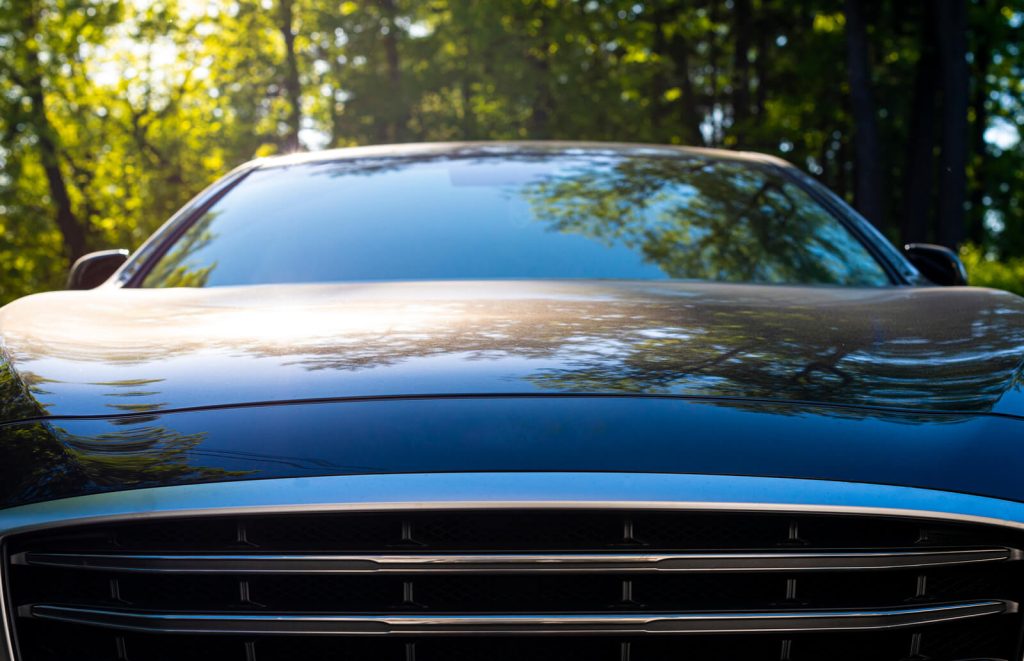
Tom had his Mercedes coated three years ago at a shop that promised five years of protection. Last month he noticed water no longer beaded on the hood. Bird droppings left marks that required scrubbing to remove. He called us asking if his coating had failed early or if five-year claims were marketing fiction.
Ceramic coating longevity generates more confusion than almost any other detailing topic. Manufacturers advertise 2, 5, even 10-year durability. Shops repeat those numbers without explaining what they actually mean. At Halo Mobile Detailing, we apply FEYNLAB ceramic coatings on vehicles across Belle Meade, Green Hills, Brentwood, and Franklin. We see how coatings perform over years of Nashville driving conditions.
The honest answer about coating lifespan depends on product chemistry, application quality, maintenance habits, and environmental exposure. Understanding these factors helps you set realistic expectations and get actual value from your ceramic coating investment.
Key Takeaways
- Ceramic coating durability in Nashville ranges from 1 year for entry-level products to 5 years for premium formulations, with most quality coatings lasting 2 to 3 years of real protection.
- Manufacturer warranty periods indicate expected durability under ideal conditions, not guaranteed performance regardless of care.
- Nashville heat, pollen, and humidity stress coatings more than moderate climates, reducing effective lifespan by 20 to 30 percent compared to manufacturer estimates.
- Maintenance habits affect longevity more than product choice because improper washing degrades coating faster than environmental exposure.
- Coating failure happens gradually through reduced hydrophobic properties and chemical resistance rather than sudden peeling or flaking.
Call us at 615-815-8291 to discuss coating options and realistic durability for your vehicle.
What Ceramic Coating Durability Actually Means
When manufacturers claim a coating lasts five years, they mean the silicon dioxide layer remains bonded to your paint for that period under expected conditions. They do not mean the coating performs identically from day one through year five. All coatings degrade over time. The question is how quickly and how noticeably.
Fresh ceramic coating creates a hard, slick surface with strong hydrophobic properties. Water beads tightly and rolls off. Contaminants struggle to bond. The surface feels glass-smooth to touch. These characteristics define coating performance.
Over months and years, UV exposure breaks down the coating surface. Environmental contaminants accumulate in microscopic pores. The hydrophobic effect weakens. Water beads become flatter and less mobile. The coating still protects your paint but performs noticeably worse than when new.
A five-year coating might provide excellent performance for two years, good performance for another two years, and minimal protection in year five. The coating technically remains present but no longer delivers meaningful benefits. Most owners would call this coating failure even though the product has not physically departed the paint.
Nashville Factors That Reduce Coating Lifespan
Nashville weather creates harsher conditions for ceramic coatings than the moderate climates where many products undergo testing.
Summer heat degrades coatings faster than any other factor. Paint surface temperatures reaching 180 degrees accelerate UV breakdown and chemical degradation. A coating rated for five years in Seattle might last three to four years in Nashville simply because of heat exposure. Vehicles parked outside daily face more thermal stress than garage-kept cars driven occasionally.
Pollen season attacks coating chemistry directly. The proteins in pine and oak pollen bond aggressively to surfaces. Coated paint resists pollen bonding better than unprotected paint, but repeated exposure and removal cycles wear the coating surface. Spring cleaning frequency increases during pollen months, adding wash-related wear to environmental stress.
Humidity promotes contamination between washes. Nashville’s summer humidity keeps surfaces slightly damp, allowing airborne particles to stick and bond. Dry climates let dust blow off. Humid climates hold contaminants against surfaces until the next wash.
Hard water from Nashville’s municipal supply leaves mineral deposits that coat surfaces must resist. Each wash deposits trace minerals that accumulate over months. These deposits fill microscopic surface texture that creates hydrophobic behavior. The coating remains intact but performs worse because mineral buildup interferes with water sheeting.
Realistic Lifespan by Product Tier
Different coating products offer genuinely different durability based on their chemistry and application requirements.
Entry-Level Coatings: 1 Year
One-year coatings like FEYNLAB Original use simpler chemistry that bonds adequately but lacks the density and hardness of premium formulations. These products cost less because they require less material and cure faster.
In Nashville conditions, expect 8 to 12 months of good hydrophobic performance from entry-level coatings. The coating provides paint protection beyond that period but delivers diminishing benefits. Owners who want continuous strong performance should plan for annual reapplication.
Entry-level coating makes sense for vehicles you plan to sell within two years, leased vehicles near term end, or budget-conscious owners who want basic protection without premium investment.
Mid-Tier Coatings: 3 Years
Three-year coatings like FEYNLAB Ceramic V3 use denser formulations with higher silicon dioxide concentration. The harder surface resists wear better and maintains hydrophobic properties longer.
Nashville drivers typically see 2 to 3 years of solid performance from mid-tier products. The coating continues protecting paint beyond that window but water behavior and contamination resistance decline noticeably. Most owners find value in recoating around year three rather than waiting for complete failure.
Mid-tier coating fits daily drivers kept 3 to 5 years and owners wanting strong protection without maximum investment.
Premium Coatings: 5 Years
Five-year coatings like FEYNLAB Ceramic Ultra V2 represent the highest performance ceramic chemistry available for consumer vehicles. Multiple application layers create thickness and hardness that entry products cannot match.
Premium coatings in Nashville typically deliver 3 to 4 years of strong performance with continued protection through year five. The coating surface shows wear by year four but still outperforms fresh entry-level products. Owners pursuing long-term vehicle ownership see the best return from premium coating.
Premium coating makes sense for vehicles you plan to keep 5 or more years, dark colors that show contamination damage quickly, and owners who want maximum protection with minimum maintenance.
Maintenance Habits That Extend Coating Life
How you care for your coated vehicle affects durability as much as which product you choose.
Wash frequency matters more than technique perfection. Contamination sitting on coated surfaces slowly degrades the coating. Washing every one to two weeks removes contaminants before they cause damage. Waiting a month between washes allows buildup that stresses coating chemistry.
Wash method affects coating wear. Touchless washes preserve coating better than brush washes. Hand washing with proper technique beats both. Automatic washes with spinning brushes accelerate coating degradation significantly. The friction removes coating material along with contamination.
Avoid harsh chemicals that attack coating bonds. Alkaline degreasers, bug and tar removers, and aggressive wheel cleaners all stress ceramic coatings. Use pH-neutral products designed for coated vehicles. When stronger cleaning becomes necessary, apply products only to affected areas rather than the entire vehicle.
Periodic decontamination maintains surface properties. Clay bar treatment once or twice yearly removes bonded contamination that washing misses. The process restores surface smoothness and improves hydrophobic performance. Skipping decontamination allows buildup that makes the coating feel rough and perform poorly despite remaining technically intact.
Signs Your Coating Needs Attention
Recognizing coating degradation helps you act before protection fails completely.
Water behavior provides the clearest indicator. Fresh coating creates tight, round water beads that roll off at slight angles. Aging coating produces flatter beads that stick until greater movement dislodges them. When water sheets rather than beads, coating performance has degraded substantially.
Contamination resistance changes over time. Fresh coating releases bird droppings and bug splatter with light washing. Degraded coating allows these contaminants to bond and requires scrubbing for removal. Noticing increased cleaning effort signals declining protection.
Surface texture shifts from glass-smooth to slightly rough as coating wears and contamination embeds. Running your hand across a freshly coated panel and comparing to one coated years ago reveals the difference clearly.
Getting Ceramic Coating from Halo
We apply FEYNLAB ceramic coatings at all three durability tiers. Call us at 615-815-8291 or book online to discuss which option fits your vehicle and ownership plans.
Every coating installation includes paint correction as needed to ensure the coating bonds to clean, defect-free surfaces. We explain realistic durability expectations based on how you use and store your vehicle rather than repeating maximum manufacturer claims.
Our ceramic coating packages include maintenance guidance and product recommendations to maximize your coating lifespan in Nashville conditions.
FAQs About Ceramic Coating Longevity
Can I extend coating life with maintenance products?
Ceramic boost sprays and coating maintenance products add temporary hydrophobic properties but do not extend the underlying coating lifespan. They make aging coatings perform better temporarily without reversing chemical degradation. These products help maintain appearance between recoating but should not substitute for eventual reapplication.
Does garage parking significantly extend coating life?
Garage parking reduces UV exposure and thermal cycling, both major factors in coating degradation. Garaged vehicles typically see 20 to 30 percent longer coating performance compared to outdoor parking. The benefit compounds over years, making garage parking especially valuable for premium coatings.
What happens when coating wears through completely?
Coating does not peel or flake off dramatically. It thins gradually until your wash routine contacts bare clear coat. At this point, your paint receives no more protection than an uncoated vehicle. Contamination bonds directly to clear coat and causes the same damage coating was meant to prevent.
Can I recoat over existing ceramic coating?
Recoating over degraded coating works if the existing layer has simply worn thin rather than failed from contamination or improper maintenance. We assess existing coating condition before recommending reapplication versus removal and fresh application. Adding coating over contaminated surfaces traps problems and produces poor results.
Is longer warranty always better?
Longer warranty indicates manufacturer confidence in durability but does not guarantee your specific results. A five-year coating improperly maintained might fail faster than a three-year coating with excellent care. Choose coating tier based on your realistic maintenance commitment and ownership timeline rather than maximum advertised duration.