
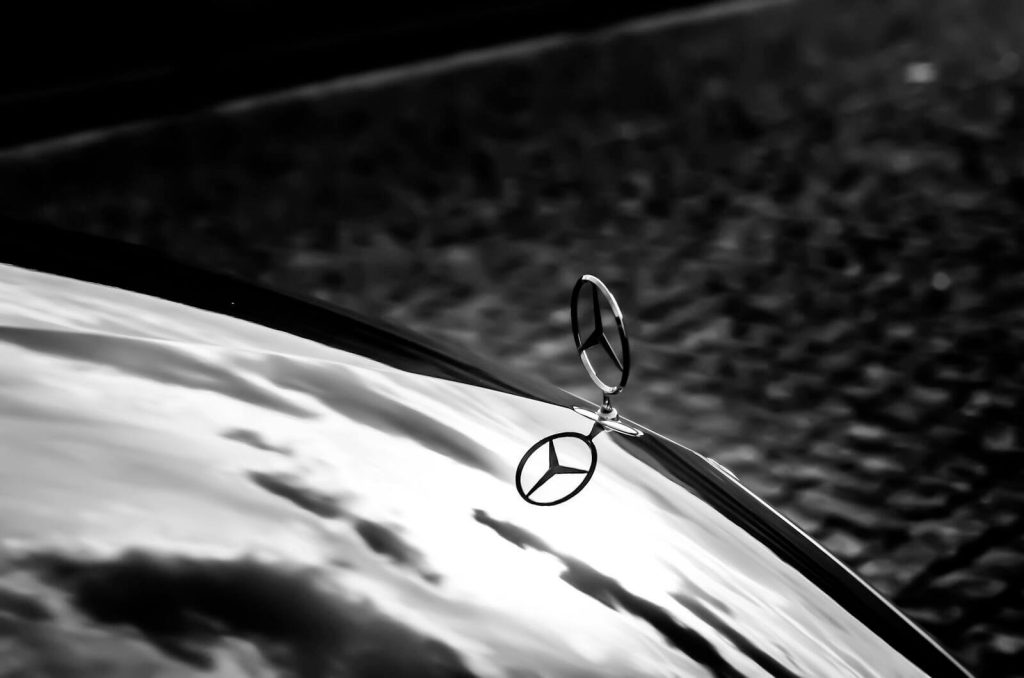
German vehicles like BMW, Mercedes-Benz, Audi, and Porsche require different care than Japanese or American cars. Their softer paint formulations scratch more easily, their clear coats respond differently to chemicals, and their premium finishes demand specific washing techniques that prevent permanent damage.
Nashville’s affluent neighborhoods like Green Hills, Belle Meade, and Brentwood have thousands of German vehicles that need specialized detailing knowledge. Generic car washes and inexperienced detailers often create swirl marks, micro-scratches, and clear coat damage that costs hundreds to repair. Professional mobile detailing brings the right tools and techniques directly to your driveway.
Understanding why German cars need different care helps you protect your investment and maintain that showroom appearance Nashville German car owners expect.
Key Takeaways
Why German Paint Is Different: BMW, Mercedes, Audi, and Porsche use softer paint formulations that create deeper colors but scratch more easily than harder Japanese automotive paints.
Clear Coat Sensitivity Matters: German clear coats react differently to pH levels, requiring neutral cleaners and specific polishing compounds to avoid permanent clouding or etching.
Washing Technique Is Critical: Two-bucket method, microfiber management, and proper drying prevent the micro-scratches that show up immediately on dark German vehicles.
Seasonal Nashville Challenges: Spring pollen and summer heat create specific risks for German paint that need proactive protection through proper washing frequency and paint protection.
Professional Tools Make The Difference: Mobile detailing brings pH meters, paint thickness gauges, and German-specific products that most car washes don’t use.
Contact HALO Mobile Detailing at 615-815-8291 to schedule specialized German car care at your Nashville location.
Why German Automotive Paint Requires Special Care
German automakers prioritize color depth and finish quality over scratch resistance. BMW’s jet black, Mercedes’ obsidian black metallic, and Audi’s phantom black pearl create stunning depth through softer paint formulations that accept more pigment. This softness makes the paint more vulnerable to washing damage than the harder paint systems used by Toyota, Honda, or Ford.
The difference becomes obvious during washing. Where a Honda Accord might hide light swirl marks, a BMW 3 Series shows every circular scratch pattern left by improper washing techniques. Dark colors especially reveal washing damage that remains invisible on lighter or harder paint systems.
Clear coat chemistry also varies between German brands and other manufacturers. German clear coats often react more sensitively to alkaline cleaners, wheel acids that drift during washing, and polishing compounds designed for harder paint systems. Using the wrong products can create permanent clouding, micro-etching, or color shifts that require professional paint correction to fix.
Understanding German Vehicle Paint Systems
BMW uses a water-based paint system that creates excellent color match and environmental compliance but requires different care than solvent-based systems. Their clear coat responds well to gentle polishing but can cloud permanently if aggressive compounds or rotary buffers are used incorrectly.
Mercedes-Benz paint systems vary by model line, with AMG vehicles often using specialized finishes that need specific care protocols. Their metallic particles require clay bar treatment and careful polishing angles to avoid creating haze or streaking in the finish.
Audi’s paint technology focuses on depth and clarity, particularly in their darker colors. Their clear coat system works well with ceramic coatings but needs proper surface preparation to achieve the bond strength that justifies the investment. FEYNLAB ceramic coatings perform exceptionally on properly prepared Audi paint.
Porsche uses paint formulations designed for both appearance and durability, but their application methods create surfaces that show washing damage quickly. Sports cars especially need careful attention to prevent scratches that detract from their precision appearance.
Proper Washing Techniques for German Vehicles
The two-bucket wash method becomes essential for German cars rather than just recommended. One bucket holds soapy water, the second holds clean rinse water. This prevents dirt particles from being dragged across the paint surface during washing, which creates the fine scratches that show immediately on soft German paint.
Microfiber selection matters more on German vehicles. Cheap microfiber towels with harder synthetic fibers can scratch soft paint, while high-quality microfiber with appropriate pile height safely lifts dirt without surface contact. Professional detailers use different microfiber types for washing, drying, and interior work to prevent cross-contamination.
Pre-rinsing removes loose dirt and pollen that would otherwise act as abrasives during contact washing. Nashville’s heavy pollen seasons make this step critical for German vehicles, as tree pollen contains particles that scratch paint when rubbed during washing or drying.
Drying technique prevents the water spots and streaking that show prominently on German paint. Chamois and terry cloth towels drag across the surface and can create fine scratches. Professional-grade waffle weave microfiber or forced air drying eliminates surface contact while preventing water spots that etch into sensitive clear coat.
Nashville’s Climate Challenges for German Vehicles
Nashville’s spring pollen season from March through May creates specific risks for German vehicles. Tree pollen contains small hard particles that embed in paint and act as sandpaper when disturbed during washing. German paint’s softness makes it more susceptible to pollen scratching than harder paint systems.
Summer heat and UV exposure affect German clear coats differently than other automotive finishes. The softer clear coat can develop micro-checking or hazing if not properly protected. Ceramic coating maintenance becomes more important on German vehicles to prevent heat damage.
Nashville’s humidity creates conditions where water spots etch more quickly into German clear coats. Hard water minerals bond with the softer surface and require more aggressive removal techniques that can damage paint if done incorrectly.
Parking situations in Nashville neighborhoods affect German vehicles more than other cars. Street parking in Green Hills or Belle Meade exposes vehicles to more environmental contamination, while garage parking in Franklin or Brentwood reduces exposure but can create different challenges with dust and indoor air quality.
Professional Products and Tools for German Cars
pH-balanced cleaners prevent the chemical etching that damages German clear coats. Professional mobile detailing services use digital pH meters to verify cleaner compatibility before application, something impossible with generic car wash soaps or automatic car washes.
Paint thickness gauges help determine how much clear coat remains after previous detailing or damage. German vehicles often have thinner clear coat applications than domestic cars, making measurement critical before any polishing or correction work.
German-specific polishing compounds work with softer paint chemistry rather than against it. These products remove scratches and swirl marks without the heat buildup or micro-marring that generic compounds can create on sensitive surfaces.
Iron decontamination becomes more important on German vehicles because brake dust bonds more aggressively with softer paint and clear coat. Professional iron removers safely dissolve embedded brake dust without mechanical agitation that could scratch the surface.
Common Mistakes That Damage German Vehicle Paint
Automatic car washes with rotating brushes create circular scratch patterns that show immediately on dark German paint. Even “soft cloth” car washes can cause damage because the cloth strips pick up dirt and drag it across subsequent vehicles, essentially sandblasting your BMW or Mercedes with contaminated fabric.
Using dish soap or household cleaners strips protective waxes and can etch German clear coats. These products have pH levels and degreasing agents designed for dishes, not automotive paint chemistry.
Circular wiping motions during washing or drying create the swirl marks that plague German vehicle owners. Professional detailers use straight-line motions that minimize visible scratching and make any unavoidable marks less noticeable.
Ignoring seasonal maintenance allows environmental contamination to bond permanently with German paint surfaces. Spring pollen, summer tar, fall tree sap, and winter road salt all create specific challenges that require prompt professional attention.
Mobile Detailing Advantages for German Vehicles
Mobile detailing eliminates the transport risks that affect German vehicles. Driving to a detail shop exposes your car to road debris, parking lot damage, and handling by multiple people. Mobile detailing brings professional tools directly to your protected parking location.
Controlled environment factors matter more for German vehicles than other cars. Mobile detailing allows work in shaded locations at optimal temperatures, preventing the heat buildup that can damage sensitive German paint during polishing or coating application.
One-on-one attention ensures your specific vehicle gets appropriate care rather than generic treatment. German cars need individualized approaches based on model, color, age, and condition rather than assembly-line processing that treats all vehicles identically.
Professional equipment transportation brings tools specifically selected for German vehicle care. Paint thickness gauges, pH meters, German-specific products, and proper lighting travel to your location rather than hoping a detail shop has invested in specialized German car equipment.
Ceramic Coating Benefits for German Vehicles
German paint responds exceptionally well to ceramic coatings when properly applied over correctly prepared surfaces. The chemical bond between ceramic coating and German clear coat creates protection that enhances the depth and clarity German manufacturers designed into their paint systems.
Hydrophobic properties become more valuable on German vehicles because their softer paint shows water spots more readily. Ceramic coating helps water sheet off the surface rather than beading and leaving mineral deposits that etch into sensitive clear coat.
Chemical resistance protects German paint from Nashville’s environmental challenges. Bird droppings, tree sap, and acid rain cause more damage to softer German paint than harder automotive finishes. Ceramic coating provides a sacrificial layer that prevents direct paint contact.
Maintenance washing becomes easier and safer on coated German vehicles. The slick surface releases dirt more readily and requires less mechanical agitation during washing, reducing the risk of creating new scratches while cleaning.
Frequency and Maintenance Recommendations
German vehicles benefit from more frequent professional attention than other cars due to their sensitive paint systems. Monthly maintenance washes during Nashville’s pollen season help prevent contamination buildup that becomes difficult to remove safely.
Seasonal deep cleaning addresses specific challenges German paint faces throughout Nashville’s climate cycle. Spring decontamination removes winter road salt and prepares for pollen season. Summer protection focuses on UV defense and heat management. Fall cleaning removes tree sap and organic debris. Winter preparation protects against road chemicals and harsh weather.
Paint inspection during each service identifies developing problems before they require expensive correction. Swirl marks, water spots, and contamination show up earlier on German paint, allowing correction while damage remains superficial.
Professional maintenance extends the lifespan of paint protection products applied to German vehicles. Regular maintenance preserves ceramic coating performance and prevents the degradation that leads to coating failure and paint exposure.
Frequently Asked Questions
Why do German cars scratch easier than Japanese cars?
German automakers prioritize color depth and finish quality through softer paint formulations that accept more pigment and create richer colors. This softness makes the paint more vulnerable to scratching during washing, but also creates the superior color depth and clarity that German vehicles are known for. Japanese manufacturers typically use harder paint systems that resist scratching better but don’t achieve the same visual depth.
Can I take my BMW through a regular car wash?
Regular car washes with rotating brushes or cloth strips will scratch German paint and create swirl marks that show prominently on dark colors. Even touchless car washes use harsh chemicals that can etch German clear coats over time. Professional hand washing with proper techniques and pH-balanced products provides the only safe cleaning method for maintaining German vehicle appearance.
How often should I detail my German vehicle in Nashville?
Nashville’s seasonal challenges require more frequent attention than many other climates. Monthly maintenance washes during pollen season (March through May) prevent contamination buildup. Every 3-4 months during other seasons maintains protection and appearance. Annual paint decontamination and protection renewal keeps German paint in optimal condition despite Nashville’s environmental challenges.
Is ceramic coating worth it for German cars?
German paint responds exceptionally well to ceramic coating because the chemical bond enhances the depth and clarity built into German paint systems. The protection becomes more valuable on softer German paint that shows damage more readily than harder automotive finishes. Properly applied ceramic coating makes maintenance easier and provides chemical resistance that protects your investment long-term.
What’s the biggest mistake German car owners make with detailing?
Using automatic car washes or generic detail services that don’t understand German paint sensitivity creates expensive damage that requires professional correction. German vehicles need specialized knowledge, proper products, and careful techniques that most general automotive services don’t provide. The cost difference between proper care and generic service becomes insignificant compared to paint correction expenses.
HALO Mobile Detailing brings German vehicle expertise directly to Nashville’s affluent neighborhoods, using FEYNLAB certified techniques and specialized equipment designed for BMW, Mercedes, Audi, and Porsche care. Our mobile service eliminates transport risks while providing the controlled environment and professional attention your German vehicle requires. Call 615-815-8291 to schedule specialized German car detailing at your Green Hills, Belle Meade, Brentwood, or Franklin location.