
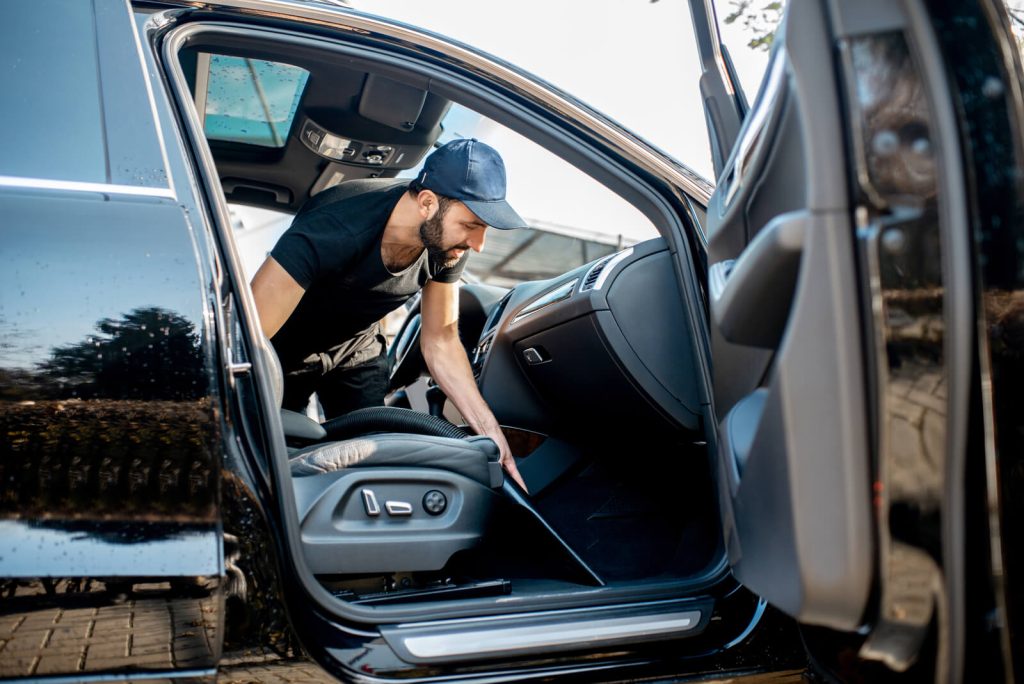
Pet hair embeds deep into car fabric, leather, and carpeting in ways that make standard vacuuming ineffective. The static electricity, varied hair lengths, and different textures create multiple challenges that require specialized tools and techniques to address completely. When you love your pets but need your car interior hair-free, understanding what works makes the difference between frustration and results.
Professional pet hair removal combines mechanical agitation, compressed air, extraction methods, and fabric-specific approaches that address hair at different embed levels. At HALO Mobile Detailing, we bring the full range of pet hair removal tools directly to your location throughout Nashville, from Green Hills to Franklin, using techniques developed specifically for Tennessee’s humid climate that affects how hair clings to surfaces.
Our interior detailing service includes comprehensive pet hair removal as part of the process, addressing everything from golden retriever undercoat in leather seats to cat hair worked deep into carpet fibers through months of Nashville commuting.
Key Takeaways
Why Vacuuming Alone Fails: Pet hair creates static bonds with fabric fibers and gets woven deeper with movement, requiring mechanical agitation to break these connections before extraction.
Fabric vs Leather Requires Different Approaches: Cloth seats need brushes and compressed air to lift embedded hair, while leather requires gentler rubber tools that won’t damage the surface.
Professional Tools Make the Difference: Specialized pet hair brushes, compressed air systems, and extraction equipment remove hair that standard vacuum attachments cannot reach.
Prevention Reduces Future Buildup: Regular maintenance between professional details, seat covers in high-use areas, and proper brushing before car rides minimize hair accumulation.
Complete Removal Takes Time: Thorough pet hair removal requires systematic work through each surface type, not quick passes with a vacuum attachment.
Contact HALO Mobile Detailing at your convenience to schedule pet hair removal service that comes directly to your Nashville location.
The Science Behind Why Pet Hair Sticks
Pet hair doesn’t just sit on car surfaces. Static electricity generated by movement, air conditioning, and fabric friction creates bonds between hair and interior materials that strengthen over time. Different hair types present unique challenges: undercoat from double-coated breeds like golden retrievers creates fine, dense mats that work deep into fabric weave, while longer guard hairs from breeds like German shepherds get twisted around seat mechanisms and carpet backing.
Nashville’s humidity affects how hair behaves in car interiors. Higher moisture levels increase static electricity buildup, making hair cling more tenaciously to surfaces. This explains why hair removal becomes more difficult during spring and summer months when humidity peaks and air conditioning creates additional static charges through temperature differentials.
The movement patterns in vehicles drive hair deeper into materials. Every acceleration, turn, and stop works loose hair further into seat cushions and carpet backing. Hair that starts on surface level gets pushed down through fabric weave until it reaches padding layers that standard vacuum attachments cannot access.
Professional Pet Hair Removal Process
Effective pet hair removal follows a systematic approach that addresses different embed levels and surface types. The process begins with compressed air treatment that forces air through fabric weave to push deeply embedded hair back toward the surface. This step reverses the process that drove hair deep into materials, creating access for extraction tools.
Specialized brushes designed for automotive fabrics follow the air treatment. These tools feature rubber tines or specific bristle patterns that create the right amount of agitation to break static bonds without damaging fabric. The brush work must be methodical, working in overlapping patterns that ensure complete coverage and prevent hair from redistributing to cleaned areas.
Extraction follows agitation, using high-powered vacuum systems with specialized attachments. Professional extractors generate significantly more suction than consumer vacuums and include brush attachments that maintain agitation during extraction. The combination of agitation and extraction removes hair that neither technique achieves alone.
Fabric-Specific Techniques
Different interior materials require adapted approaches based on their construction and hair retention characteristics. Cloth seats with tight weave fabrics need aggressive brush agitation to break hair free from fiber intersections. Looser weave materials respond better to rubber paddle tools that lift hair without catching in fabric structure.
Leather presents different challenges since hair doesn’t embed into the surface but collects in seams, perforations, and texture patterns. Leather-safe rubber tools and compressed air work effectively without risking surface damage that aggressive brushes might cause. The key with leather lies in accessing the crevices where hair accumulates rather than treating the smooth surface areas.
Carpeted areas require the most intensive treatment since carpet construction traps hair at multiple levels. Professional carpet rakes designed for automotive use penetrate deeper than standard brushes, pulling hair from backing areas that contribute to persistent odor and continued hair release. Steam treatment can help relax carpet fibers and make deeply embedded hair more accessible.
Tools That Actually Work
Professional pet hair removal relies on specialized equipment that addresses the specific ways hair bonds with car interior surfaces. Compressed air systems provide the pressure needed to force hair out of deep embed positions. These systems operate at pressures that force air through fabric backing to lift hair from inaccessible areas.
Rubber-based tools create the mechanical action needed to break static bonds without fabric damage. Professional rubber brushes and paddles generate friction that neutralizes static charges while providing the surface texture needed to grab and lift hair. The rubber material prevents the static buildup that synthetic brushes can create.
High-powered extraction equipment with specialized attachments completes the removal process. Professional extractors include rotating brush heads, crevice tools designed for automotive applications, and upholstery attachments that maintain proper suction while protecting delicate materials.
Why DIY Methods Fall Short
Consumer approaches to pet hair removal typically focus on single techniques that address only surface-level hair. Lint rollers, basic vacuum attachments, and household brushes cannot generate the combination of agitation and extraction needed for complete removal. These methods often redistribute hair rather than removing it entirely.
Timing and systematic approach separate professional results from DIY attempts. Complete pet hair removal requires working methodically through each interior surface with appropriate dwell time for air treatment and proper overlap patterns for brush work. The rushed approach typical of DIY cleaning misses embedded hair that continues causing problems.
Equipment limitations restrict what consumer tools can achieve. Standard vacuum cleaners lack the suction power needed for extraction after professional-level agitation. Home compressors cannot generate the sustained, controlled air pressure required for effective deep hair removal from automotive fabrics.
Prevention Strategies
Reducing pet hair accumulation between professional services extends the results and makes future removal more manageable. Regular brushing before car rides removes loose hair that would otherwise embed in interior surfaces. This simple step prevents the majority of hair that creates removal challenges.
Seat covers in high-use areas provide barriers that contain hair to removable surfaces. Quality automotive seat covers designed for pet owners include materials that resist hair embedding and allow for easy washing. Strategic placement on rear seats and cargo areas addresses the highest accumulation zones.
Environmental controls within the vehicle reduce static buildup that bonds hair to surfaces. Fabric softener sheets placed under seats neutralize static charges, while maintaining proper humidity levels through climate control reduces the static generation that makes hair cling more tenaciously.
Climate Considerations for Nashville
Nashville’s seasonal humidity changes affect pet hair behavior in vehicles and influence removal strategies. Spring pollen season increases static electricity generation, making hair stick more aggressively to surfaces. During this period, more frequent professional removal prevents buildup that becomes increasingly difficult to address.
Summer heat and air conditioning create temperature differentials that generate static charges throughout the vehicle interior. The combination of high humidity outside and cold, dry air inside maximizes static buildup. Professional removal during peak summer months addresses hair that becomes most tenaciously bonded during this period.
Our mobile detailing approach accounts for Nashville’s climate factors by bringing climate-controlled equipment and humidity-appropriate techniques directly to your location. This ensures optimal removal conditions regardless of weather factors that affect hair bonding characteristics.
Frequently Asked Questions
How long does complete pet hair removal take?
Professional pet hair removal typically requires 45 minutes to 90 minutes depending on hair type, accumulation level, and interior size. Double-coated breeds that shed undercoat require longer treatment times, while single-coat breeds with minimal shedding need less intensive work. The systematic approach cannot be rushed without compromising results.
Can pet hair removal damage my car interior?
Professional techniques using appropriate tools and pressures do not damage automotive interiors when properly executed. Leather-safe rubber tools, controlled air pressure, and fabric-appropriate brush selection prevent damage while achieving thorough removal. DIY approaches using incorrect tools pose greater damage risk than professional service.
How often should I have professional pet hair removal done?
Most pet owners benefit from professional removal every 3-4 months, with frequency adjustments based on shedding patterns, travel frequency, and interior material types. Heavy shedders during seasonal coat changes may need service every 6-8 weeks, while minimal shedders can extend to quarterly service.
Do you guarantee complete hair removal?
Professional removal eliminates visible hair and the majority of embedded hair, though some microscopic hair particles may remain in deep fabric backing. The goal is eliminating visible hair, reducing odor sources, and preventing continued hair release during normal vehicle use.
Can I maintain results between professional services?
Regular vacuuming with upholstery attachments, lint roller treatments on smooth surfaces, and compressed air cleaning help maintain results between professional services. However, these maintenance steps cannot replace the deep removal that professional tools and techniques achieve.
HALO Mobile Detailing provides comprehensive pet hair removal throughout Nashville using professional equipment and techniques developed specifically for automotive interiors. Our mobile service brings specialized tools directly to your location in Green Hills, Brentwood, Franklin, or anywhere in our service area. Contact us to schedule pet hair removal service that eliminates embedded hair and restores your interior to hair-free condition.