
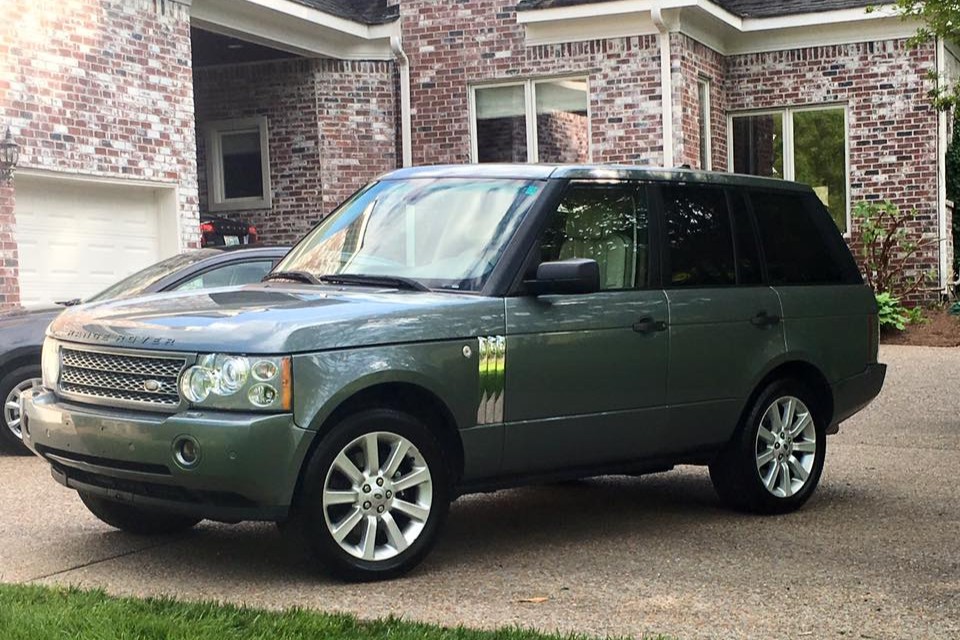
You found the perfect 2022 Range Rover Sport in Belle Meade or picked up a 2021 Porsche 911 from a Franklin dealer, but now you’re wondering if it’s too late for ceramic coating protection. Many Nashville luxury car buyers assume ceramic coating only makes sense on brand-new vehicles, but that’s not always the case.
Used luxury vehicles often benefit significantly from ceramic coating, especially when paired with proper paint correction. The key is understanding what condition the paint is in and what preparation work is needed to achieve the protection and appearance you want. Our mobile detailing service brings the assessment process directly to your driveway, so you can make an informed decision about protecting your investment.
This guide explains when ceramic coating makes sense for used cars, what paint correction typically involves, and how to evaluate whether your recently purchased luxury vehicle is a good candidate for professional protection.
Key Takeaways
Paint Condition Matters Most: Used cars with minimal swirls and good gloss respond excellently to ceramic coating, while heavily damaged paint needs correction first to achieve optimal results.
Age Isn’t the Primary Factor: A well-maintained 3-year-old German car often coats better than a neglected 6-month-old vehicle that’s been through automatic car washes regularly.
Correction Usually Adds Value: Paint correction removes swirls, water spots, and minor scratches, restoring clarity before coating application and significantly improving the final appearance.
Nashville Climate Creates Urgency: Our spring pollen season and summer UV exposure make protection valuable even on older vehicles, especially dark colors that show damage easily.
Assessment Prevents Disappointment: Professional evaluation identifies what prep work is needed and sets realistic expectations for the final result.
Contact HALO Mobile Detailing at 615-815-8291 to schedule a paint assessment and discuss ceramic coating options for your used luxury vehicle.
Evaluating Paint Condition on Used Cars
The most important factor in determining ceramic coating viability isn’t the car’s age but the current condition of the paint. A 2021 G-Wagon that’s been hand-washed and garage-kept will have dramatically different paint than the same model year that’s been through brush car washes weekly.
Look for several key indicators when assessing your used car’s paint. Swirl marks become visible under direct sunlight or LED lighting, appearing as fine circular scratches that create a hazy appearance. Water spots show up as white or cloudy circular marks, especially common on dark colors after Nashville’s frequent spring storms. Minor scratches that catch your fingernail indicate deeper damage that requires correction before coating.
Professional assessment reveals issues that aren’t immediately obvious to untrained eyes. We evaluate paint thickness, contamination levels, and the extent of correction needed to restore proper gloss and clarity. This assessment determines whether your vehicle needs light polishing, multi-stage correction, or if the paint is in good enough condition to coat with minimal prep.
The evaluation process also identifies any repainted panels, which may have different hardness characteristics or contamination that affects coating adhesion. Understanding what professional detailing can and cannot fix helps set realistic expectations for the final result.
Paint Correction: The Foundation of Quality Coating
Most used luxury vehicles require some level of paint correction before ceramic coating application. Even well-maintained cars typically show minor imperfections from daily driving, washing, and environmental exposure that become magnified once a coating amplifies the surface reflection.
Paint correction removes defects through controlled abrasion using compounds and polishes. Light correction addresses minor swirls and fine scratches using a single polishing step. Multi-stage correction tackles heavier damage with cutting compounds followed by finishing polishes to restore maximum gloss and clarity.
The correction process begins with thorough washing and decontamination to remove embedded particles that could scratch the paint during polishing. Clay bar treatment removes industrial fallout, tree sap, and other bonded contaminants that washing cannot eliminate. Iron remover dissolves brake dust and rail dust that creates orange staining on light colors.
Nashville’s environmental factors create specific correction needs. Spring pollen that sits on paint for weeks creates etching that requires polishing to remove. Road salt from winter driving leaves mineral deposits that bond to the surface. UV exposure from our intense summer sun causes oxidation on single-stage paints and clear coat failure on neglected vehicles.
German car detailing requires special attention during correction since many luxury manufacturers use softer clear coats that show swirl marks easily but also polish out more readily with proper technique.
When Coating Makes Financial Sense
Ceramic coating investment on used cars makes sense when the total cost aligns with the vehicle’s value and your ownership plans. A $1,200 FEYNLAB Level II coating on a $85,000 used Porsche represents reasonable protection for a significant investment. The same coating level might not make financial sense on a $25,000 vehicle unless you plan long-term ownership.
Consider the replacement cost of paint if it becomes damaged beyond correction. Luxury vehicle paint jobs typically cost $5,000 to $15,000 for quality work, making ceramic coating a cost-effective insurance policy. Dark colors show damage most readily and benefit significantly from coating protection against swirl marks and water spotting.
Nashville’s climate factors into the financial equation. Our intense UV exposure fades unprotected paint over time, while spring pollen creates etching that damages clear coat if not removed promptly. Ceramic coating provides chemical resistance against these environmental hazards while making maintenance washing safer and more effective.
The coating also improves resale presentation when properly maintained. Protected paint retains gloss and depth better than unprotected surfaces, creating a more favorable impression during eventual resale or trade-in evaluation.
FEYNLAB Coating Options for Used Vehicles
Our FEYNLAB certification provides access to three coating tiers designed for different protection levels and budgets. Each option works effectively on properly prepared used car paint when application conditions and curing requirements are met.
FEYNLAB Level I provides 2-3 years of protection with excellent hydrophobic properties and UV resistance. This entry-level option works well for vehicles in good condition that need protection without maximum durability requirements. Level I makes sense for cars you plan to trade within a few years or as an introduction to coating benefits.
Level II extends protection to 4-5 years with enhanced chemical resistance and self-cleaning properties. This mid-tier option provides the best value for most luxury car owners, offering substantial protection improvements over Level I without the premium cost of our highest tier.
Level III delivers maximum protection for 7+ years with the most durable chemistry in the FEYNLAB system. This option makes sense for rare vehicles, cars you plan to keep long-term, or when you want maximum protection against Nashville’s environmental challenges.
All three options require proper surface preparation and controlled application conditions. Our mobile service brings the same preparation equipment and controlled environment to your location that shop-based installers use, ensuring proper bonding and curing regardless of where the work is performed.
The Assessment and Application Process
Professional assessment begins with paint thickness measurement to ensure adequate clear coat for correction work. Contamination evaluation determines decontamination needs, while lighting inspection reveals the extent of swirl marks and other imperfections requiring attention.
We document current paint condition with high-resolution photography under controlled lighting, providing before and after comparisons that show the improvement achieved through correction and coating. This documentation also serves as a baseline for warranty purposes and future maintenance planning.
The application process follows strict protocols regardless of vehicle age or condition. Correction work restores paint to optimal condition, followed by final preparation including panel wipe to ensure perfect surface cleanliness. Coating application occurs in controlled sections with precise timing and technique to ensure uniform coverage and proper bonding.
Curing requirements remain the same whether the vehicle is new or used. Initial cure takes 12-24 hours depending on temperature and humidity, with full cure occurring over 7-14 days. During this period, the coating bonds fully to the paint and develops maximum protective properties.
Understanding ceramic coating maintenance ensures you protect your investment through proper washing techniques and regular care that preserves coating performance throughout its lifespan.
Frequently Asked Questions
Is it worth coating a 3-year-old luxury car?
Absolutely, provided the paint is in good condition or can be restored through correction. Three-year-old luxury vehicles typically have many years of service life remaining, making ceramic coating protection a sound investment. The key is professional assessment to determine what preparation work is needed and setting realistic expectations for the final result.
How much paint correction do most used cars need?
Most used luxury vehicles benefit from at least single-stage correction to remove minor swirls and restore proper gloss before coating. Vehicles that have been properly maintained may need only light polishing, while those with more extensive damage require multi-stage correction. Professional evaluation determines the specific correction level needed for optimal results.
Can you coat over existing wax or sealant?
No, all previous protection must be completely removed before ceramic coating application. Wax, sealant, and other products prevent proper coating bonding to the paint surface. Our preparation process includes thorough decontamination and panel wipe to ensure the paint is completely clean and ready for coating adhesion.
Will coating hide existing paint damage?
Ceramic coating enhances the appearance of properly corrected paint but does not hide damage. In fact, coating can make existing swirls and scratches more visible by increasing surface reflection. This is why paint correction is essential before coating application to achieve the smooth, reflective surface that showcases coating benefits.
How long should I wait after buying a used car to get it coated?
You can coat a used car immediately after purchase once proper preparation is completed. However, we recommend having the vehicle professionally assessed first to understand what correction work is needed and to plan the timing accordingly. Some buyers prefer to enjoy their new purchase for a few weeks before committing to the coating investment.
Ready to protect your recently purchased luxury vehicle with professional ceramic coating? Contact HALO Mobile Detailing at 615-815-8291 to schedule a comprehensive paint assessment. We’ll evaluate your car’s current condition, explain what correction work is needed, and recommend the FEYNLAB coating tier that best matches your protection goals and budget. Our mobile service brings professional assessment and application directly to your location in Nashville’s premium neighborhoods.