
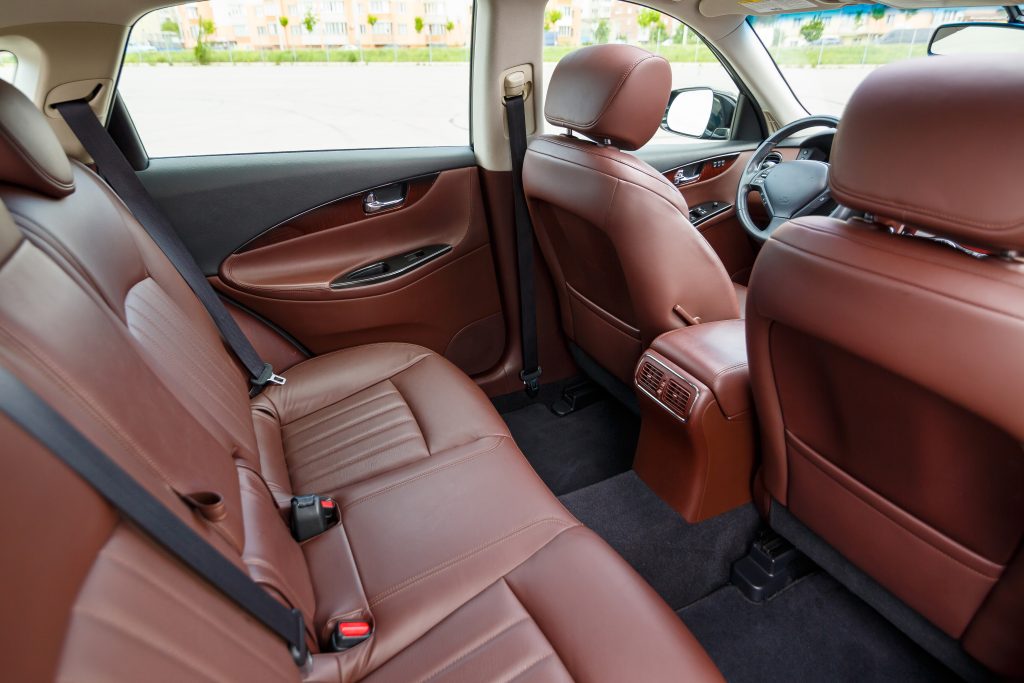
Your car’s leather interior represents a significant investment that requires specific care to maintain its appearance, feel, and value. Many Nashville car owners treat leather the same way they treat fabric seats, or worse, use products that actually damage the material over time.
Proper leather conditioning involves understanding the difference between cleaning and conditioning, knowing when each is needed, and using products that nourish rather than coat the surface. At HALO Mobile Detailing, we see the results of both proper leather care and neglect – the difference in appearance and longevity is dramatic. Our interior detailing services include professional leather treatment that extends the life of your seats significantly.
The key to effective leather care lies in regular maintenance rather than aggressive restoration attempts after damage occurs. Nashville’s climate presents particular challenges for leather interiors, with intense summer UV exposure and humidity fluctuations that can crack and fade untreated surfaces.
Key Takeaways
Cleaning Comes Before Conditioning: Remove dirt, oils, and grime with pH-balanced leather cleaner before applying conditioner, as conditioning over contamination traps debris permanently.
Frequency Depends on Usage and Climate: Nashville’s UV exposure means leather needs conditioning every 3-4 months for daily drivers, less frequently for garage-kept vehicles.
Not All Products Are Equal: Avoid petroleum-based conditioners that create sticky surfaces attracting dirt, and silicone products that prevent proper absorption of future treatments.
Signs Your Leather Needs Attention: Look for stiffness, visible cracking, fading, or areas that feel dry to the touch rather than supple.
Professional Treatment Addresses Root Issues: Deep cleaning removes embedded oils and proper conditioning penetrates fully, something surface treatments cannot achieve.
Call HALO Mobile Detailing at your convenience to schedule professional leather care that comes to your location in Nashville.
Understanding Leather Types in Vehicles
Modern vehicles use several different leather treatments, each requiring specific care approaches. Protected leather, found in most luxury vehicles including BMWs, Mercedes, and Audis, has a protective coating that makes it more resistant to staining but requires gentler cleaning methods. This coating can be damaged by harsh chemicals or aggressive scrubbing.
Semi-aniline leather offers more natural feel but absorbs liquids more readily, making quick cleanup essential when spills occur. Full aniline leather, while rare in vehicles, provides the most luxurious feel but requires the most careful maintenance. Understanding which type you have determines the appropriate cleaning and conditioning approach.
Nashville’s luxury car owners in Green Hills and Belle Meade often have vehicles with premium leather that came with specific care instructions from the manufacturer. Following these guidelines prevents warranty issues while maintaining the material properly. Our luxury car detailing experience includes working with all leather types found in premium vehicles.
The Science of Leather Conditioning
Leather conditioning works by replenishing natural oils that evaporate over time, especially under Nashville’s intense summer sun. Quality conditioners penetrate the leather fibers, maintaining flexibility and preventing the brittleness that leads to cracking. This process cannot reverse existing damage but prevents further deterioration when applied properly.
The molecular structure of leather requires conditioners with specific properties to penetrate effectively. Water-based conditioners absorb better than oil-based products but may require more frequent application. pH balance matters significantly – acidic or alkaline products can damage leather permanently by altering its chemical structure.
Temperature affects conditioning results considerably. Nashville’s hot summers mean leather expands, allowing better conditioner penetration, while winter months require more time for products to absorb properly. Professional application accounts for these variables to achieve optimal results.
Cleaning vs Conditioning: Different Jobs Entirely
Cleaning removes surface contamination, body oils, and embedded dirt that accumulates from normal use. Conditioning nourishes the leather after cleaning, replacing oils and maintaining flexibility. Attempting to condition dirty leather pushes contamination deeper into the material, creating permanent staining and odor issues.
Professional leather cleaning uses pH-balanced products that remove soil without stripping natural oils excessively. The process involves gentle agitation to lift embedded contamination, followed by extraction to remove both cleaning products and loosened debris. This preparation allows conditioning products to penetrate properly rather than sitting on the surface.
Many car owners skip the cleaning step and apply conditioner directly to dirty leather. This approach creates a sticky surface that attracts more dirt and can darken the leather permanently. The contamination becomes sealed under the conditioner, making future cleaning much more difficult. Our car cleaning process addresses this properly by cleaning first, then conditioning appropriately.
Nashville’s Climate Impact on Leather
Nashville’s climate creates specific challenges for leather interiors. Summer temperatures inside parked vehicles can exceed 150 degrees Fahrenheit, accelerating oil evaporation and causing leather to dry out rapidly. The UV exposure through side windows particularly affects driver and passenger seats, often causing visible color differences between protected and exposed areas.
Humidity fluctuations between Nashville’s wet springs and drier fall weather cause leather to expand and contract repeatedly. This cycling stresses the material and can create premature cracking if the leather lacks proper conditioning. Vehicles parked outside in areas like Brentwood and Franklin experience these effects more severely than garage-kept cars.
Pollen season adds another layer of complexity, as the fine particles can embed in leather grain and become difficult to remove once set. Regular cleaning during March through May prevents permanent staining from pollen that has been worked into the leather surface by normal use.
Professional vs DIY Leather Care
Professional leather treatment involves assessment of the specific leather type, appropriate product selection, and proper application techniques that ensure even coverage and penetration. The process includes testing products in inconspicuous areas and adjusting techniques based on leather condition and environmental factors.
DIY leather care often fails because of product selection issues or application mistakes that can cause permanent damage. Using household products like saddle soap or furniture polish can alter leather appearance permanently. Over-conditioning creates sticky surfaces, while under-conditioning allows continued deterioration.
The equipment difference matters significantly. Professional extraction removes cleaning products completely, while home cleaning often leaves residue that attracts dirt. Proper lighting allows identification of problem areas that might be missed in typical garage conditions. Our mobile service advantage includes bringing professional equipment and controlled conditions to your location.
Warning Signs Your Leather Needs Attention
Stiffness indicates that natural oils have evaporated and the leather fibers are beginning to bond together. This condition progresses to cracking if not addressed promptly. The process is not reversible once cracking occurs, making early intervention crucial for maintaining leather appearance and value.
Color changes often appear gradually, making them easy to miss until the contrast becomes obvious. Fading typically occurs first on horizontal surfaces and areas receiving direct sun exposure. Darkening can result from accumulated oils, improper cleaning products, or excessive conditioner application over time.
Texture changes provide early warning of leather problems. Healthy leather feels supple and smooth, while deteriorating leather becomes rough, sticky, or overly slick depending on the type of damage occurring. These changes indicate the need for professional assessment to determine the appropriate treatment approach.
Maintenance Between Professional Treatments
Regular vacuuming removes abrasive particles that can scratch leather surfaces during normal use. Use soft brush attachments and avoid aggressive suction that can pull at seams or decorative stitching. Pay particular attention to seat creases where debris accumulates most heavily.
Immediate cleanup of spills prevents staining and odor issues that become permanent if allowed to penetrate. Blot liquids rather than wiping, which can spread contamination over larger areas. Avoid using wet wipes or household cleaners that can damage protective coatings or alter leather appearance.
Simple maintenance wipes designed specifically for automotive leather can remove light surface contamination between professional cleanings. Choose products without petroleum distillates or silicones that interfere with proper conditioning. Test any new product in an inconspicuous area first to ensure compatibility with your specific leather type.
Frequently Asked Questions
How often should I condition my car’s leather seats?
Nashville’s climate typically requires leather conditioning every 3-4 months for vehicles used daily and parked outside. Garage-kept vehicles may need conditioning only twice yearly. Summer months require more frequent attention due to heat and UV exposure, while winter conditioning helps prevent cracking from dry indoor heating. Vehicle usage patterns and parking location affect timing significantly.
Can I use household leather products on car seats?
Household leather products are formulated for furniture and accessories, not automotive applications. Car leather often has protective coatings that household products can damage permanently. The chemistry differs significantly between furniture leather and automotive leather, making product compatibility a serious concern. Always use products specifically designed for automotive leather to avoid permanent damage.
What’s the difference between leather cleaner and conditioner?
Leather cleaner removes surface contamination, body oils, and embedded dirt using pH-balanced formulations that won’t damage the material. Conditioner replenishes natural oils and maintains leather flexibility after cleaning. Using conditioner without cleaning first traps contamination under the conditioning layer, creating permanent staining and sticky surfaces that attract more dirt.
Why does my leather feel sticky after conditioning?
Sticky leather usually results from over-conditioning, using the wrong product type, or applying conditioner over dirty surfaces. Some conditioners contain silicones or petroleum products that create sticky films rather than penetrating properly. Professional treatment can often correct this issue by properly cleaning the leather and removing product buildup before applying appropriate conditioning products.
Can cracked leather be repaired?
Minor surface cracks can sometimes be improved with proper conditioning, but deep cracks that go through the leather grain cannot be reversed. Prevention through regular conditioning is far more effective than attempting repairs after damage occurs. Severely cracked leather may require professional restoration or replacement, making preventive care a worthwhile investment in maintaining your vehicle’s interior value.
Professional leather conditioning protects your investment and maintains your vehicle’s interior appearance for years to come. HALO Mobile Detailing brings the expertise and proper products directly to your Nashville location, ensuring your leather receives the care it deserves. Our FEYNLAB certification and experience with luxury vehicles means your leather gets treatment appropriate for its specific type and condition. Call us to schedule leather care service that fits your schedule and maintains your vehicle’s value properly.