
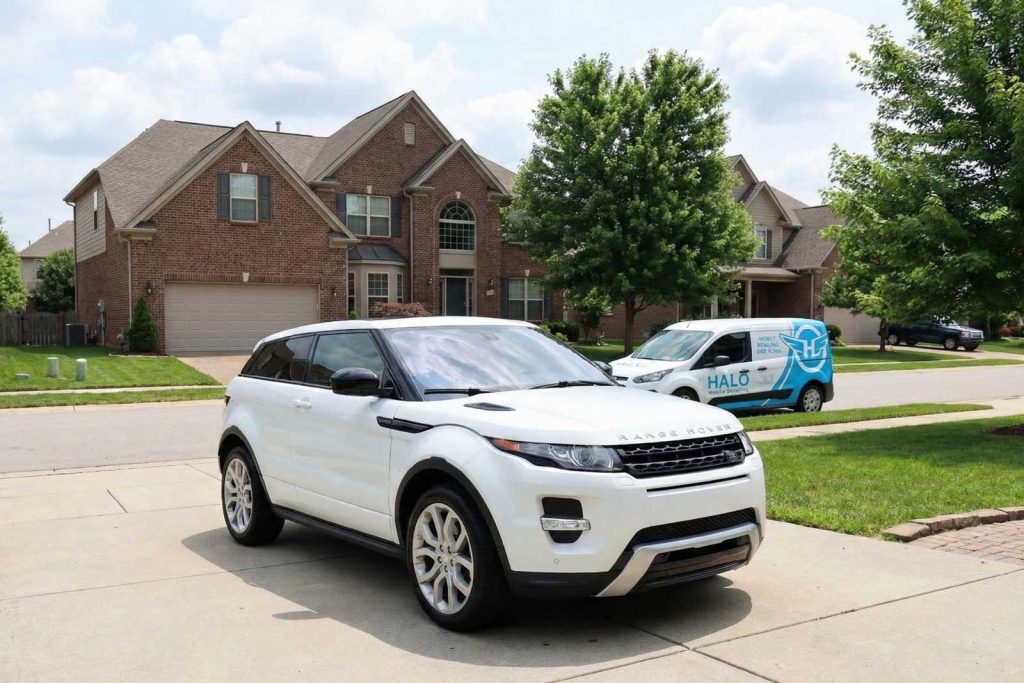
Luxury car detailing Nashville addresses the specific challenges that Mercedes, BMW, Audi, Lexus, and Range Rover owners face with paint that behaves differently, interior materials that require specialized treatment, and finishes that damage easily with standard detailing approaches.
This guide explains what makes luxury vehicles different from standard cars, why generic detailing often causes more harm than good, and which services actually protect your investment in ways that match the care these vehicles require.
Key Takeaways
Here’s a brief overview of the following article:
- Paint Composition Differences: German luxury brands like BMW, Mercedes, and Audi use harder clear coat that resists marring but shows holograms easily, while Lexus and other Japanese luxury brands use softer paint that scratches more readily but polishes more forgivingly.
- Interior Material Complexity: Luxury vehicles feature Nappa leather, Alcantara, piano black trim, carbon fiber accents, and wood veneers that each require different products and techniques compared to standard vinyl and cloth interiors.
- Common Damage From Generic Detailing: Automatic car washes create swirl marks that show prominently on dark luxury paint, improper products damage delicate trim, and aggressive techniques burn through thin clear coat on premium finishes.
- Specialized Techniques Required: Luxury car detailing uses paint-specific compounds, low-pressure steam for sensitive materials, pH-balanced products for premium leather, and careful masking of carbon fiber and trim that standard detailing overlooks.
- Investment Protection Value: Premium detailing and ceramic coating cost 2-3% of a luxury vehicle’s value but preserve 10-15% more resale value through maintained condition that certified pre-owned buyers demand.
- Consistent Maintenance Requirements: Monthly subscription service prevents the accumulation of contaminants and maintains protective coatings, which matters more for luxury vehicles because damage costs significantly more to correct on premium paint and materials.
Book luxury detailing service or call 615-815-8291 to discuss specialized care for your vehicle.
The $2,800 Mistake That Convinced Robert to Never Use Another Car Wash
Robert’s BMW M5 was three weeks old when he drove through the touchless car wash near his Brentwood office. He’d used the same wash for his previous Honda Accord without problems for years.
The M5 came out clean but something looked different. Under his garage lights that evening, he noticed faint swirl marks across the black paint. Circular scratches that caught the light at certain angles. The car looked damaged despite being nearly new.
His BMW service advisor explained what happened. The touchless wash used harsh chemicals to compensate for lack of physical contact. Those chemicals stripped the factory wax and allowed the high-pressure water to push dirt across the paint. The soft BMW clear coat scratched easily under this treatment.
The damage required paint correction. The body shop quoted $1,200 for a single-stage polish to remove the swirls. Robert agreed, figuring he’d learned an expensive lesson about car washes.
Two months later, he noticed the swirls returning. His monthly car wash visits were gradually destroying the M5’s finish. He’d spent $85,000 on the vehicle and was actively damaging it while trying to keep it clean.
The second correction visit cost $2,800 because the paint needed multi-stage work to address the deeper scratches that had developed. The technician showed Robert microscope images of his clear coat. The previous correction had already removed significant thickness. One more similar incident and the paint would need refinishing.
Robert switched to professional hand washing after that. The $150 monthly cost seemed irrelevant compared to the damage he’d been causing. Six months later, his M5’s paint still looked flawless because the right care techniques preserved what aggressive washing had been destroying.
This pattern repeats across Nashville’s luxury car community. Owners invest heavily in premium vehicles, then unknowingly damage them through generic care approaches designed for standard paint and materials.
What Actually Makes Luxury Vehicles Different
Luxury cars aren’t just more expensive versions of standard vehicles. The materials, finishes, and engineering create specific care requirements that generic detailing doesn’t address.
Paint Composition and Behavior Varies by Manufacturer
German luxury brands like BMW, Mercedes, Audi, and Porsche typically use harder clear coat formulations. This paint resists scratching and marring better than softer formulations but creates different challenges.
The hard clear coat shows hologram patterns more prominently when polished incorrectly. These buffer trails appear as faint circular patterns under certain lighting. Standard polishing techniques that work fine on softer paint create noticeable holograms on German vehicles.
The hardness also means German paint requires more aggressive compounds to remove defects. Detailers accustomed to soft paint often use insufficient cutting power, which wastes time and produces poor results. Knowing which compounds work effectively on hard clear coat separates experienced luxury detailers from general practitioners.
Japanese luxury brands like Lexus, Acura, and Infiniti use softer clear coat that scratches more easily but polishes more forgivingly. This paint shows swirl marks prominently, especially on dark colors like black or navy.
The soft formulation requires gentler polishing approaches. Techniques that work on German paint remove too much clear coat on Japanese vehicles. Experienced detailers adjust pressure, speed, and product selection based on paint hardness.
British luxury brands such as Range Rover, Jaguar, and Bentley fall between these extremes but present their own challenges. Some models use aluminum body panels that conduct heat differently during polishing. Others feature complex curves and character lines that require careful technique.
Premium Interior Materials Require Specific Treatment
Nappa leather in Mercedes, BMW, and Audi interiors costs $15-20 per square foot compared to $3-5 for standard automotive leather. This premium material features finer grain, softer hand, and more delicate finish.
Standard leather cleaners often contain harsh solvents that strip Nappa leather’s natural oils. The material becomes dry, stiff, and prone to cracking. Premium leather requires pH-balanced cleaners and conditioning treatments that maintain suppleness.
Alcantara appears in many performance luxury vehicles such as Porsche, BMW M models, and Audi RS variants. This synthetic suede material cannot tolerate standard cleaning approaches. Water-based cleaners soak in and create permanent water spots. Incorrect brushing damages the nap.
Proper Alcantara care uses dry cleaning solvents, gentle brush techniques in specific directions, and careful drying to prevent marking. Most general detailers lack experience with this material and cause damage attempting standard cleaning methods.
Piano black trim surrounds infotainment screens and center consoles in most modern luxury vehicles. This high-gloss finish shows every scratch, fingerprint, and swirl mark.
Standard interior cleaners often contain mild abrasives that create microscopic scratching on piano black surfaces. Over time, the trim develops a hazy appearance from accumulated micro-scratches. Specialized products and microfiber techniques prevent this damage.
Carbon fiber accents, real or decorative, appear throughout luxury interiors. Real carbon fiber requires careful handling to avoid delamination. Decorative carbon fiber overlays can lift or bubble if exposed to harsh cleaners or heat.
Wood veneers in Range Rover, Mercedes, and Lexus vehicles need furniture-grade care products rather than automotive cleaners. The wrong products cloud the finish or damage the protective coating.
Specialized Exterior Finishes and Delicate Components
Luxury vehicles feature matte paint options, vinyl wraps, chrome delete treatments, and carbon fiber body components that each require completely different care approaches.
Matte paint cannot be polished or waxed using traditional methods. The finish depends on consistent texture that polishing destroys. Matte-specific products and techniques maintain the appearance without creating glossy spots.
Brushed aluminum trim oxidizes more visibly than chrome. The directional finish shows staining prominently. Restoration requires metal polish and careful buffing in the direction of the grain.
Carbon fiber hoods, roofs, and spoilers need UV protection that standard products don’t provide. The clear coat over carbon fiber yellows from sun exposure without proper protection. Specialized sealants prevent this degradation.
Ceramic brake rotors in high-performance models cannot tolerate standard wheel cleaners. The acids in many cleaners damage the ceramic coating. Luxury car detailing requires knowing which products are safe for each component.
Common Detailing Mistakes That Damage Luxury Vehicles
Even well-intentioned care causes problems when techniques don’t match the vehicle’s specific requirements. These mistakes appear frequently because they work fine on standard vehicles but damage luxury cars.
Automatic Car Wash Damage on Premium Paint
Automatic car washes destroy luxury car paint faster than they damage standard vehicles. The soft clear coat on Lexus and Infiniti models shows swirl marks after just a few wash cycles.
Touchless washes use aggressive chemicals that strip protective coatings. The high-pressure water then pushes contaminants across unprotected paint. Each wash creates microscopic scratching that accumulates into visible damage.
Brush-style washes are even worse. The brushes hold debris from previous vehicles. These embedded particles scratch premium paint as the brushes rotate. Dark luxury vehicles develop deep swirl marks visible in any lighting.
The cost to correct automatic car wash damage on luxury paint ranges from $800-2,500 depending on severity. Multiple correction cycles thin the clear coat until refinishing becomes necessary. This damage is completely preventable through proper hand washing techniques.
Using Generic Products on Specialized Materials
All-purpose interior cleaners marketed for automotive use often damage luxury materials. The formulations work on vinyl and basic cloth but attack premium leather’s protective finish.
Armor All and similar silicone-based products create glossy appearance on standard dashboards but leave residue on premium soft-touch materials. The residue attracts dust and creates a sticky film that’s difficult to remove.
Window cleaners containing ammonia damage tinted windows and can cloud nano-coating applied to luxury vehicle glass. These cleaners also affect the anti-glare coating on digital instrument clusters.
Tire shine products designed for standard rubber create uneven appearance on luxury tire sidewalls. Some formulations also sling onto paint during driving, creating spots that require correction to remove.
Improper Polishing Techniques on Hard Clear Coat
Rotary polishers in inexperienced hands burn through clear coat quickly. German paint’s hardness requires sustained cutting action, which generates heat. Too much pressure or dwelling too long in one area removes excessive clear coat.
Using foam pads designed for soft paint on hard German clear coat wastes time and product. The incorrect pad-compound combination produces poor results and frustrates detailers into using too much pressure.
Hologram patterns from incorrect polishing technique ruin the appearance of dark luxury vehicles. These buffer trails show prominently on black BMW, Mercedes, and Audi paint. Removing holograms requires additional polishing steps with finishing polishes and pads.
Single-stage polishing often produces acceptable results on standard vehicles but leaves defects visible on luxury paint. The higher standards luxury owners expect require multi-stage correction that progressively refines the finish.
Neglecting Paint Protection on Soft Clear Coat
Japanese luxury vehicles need protection more urgently than German cars because the soft clear coat damages easily. Owners who delay ceramic coating or quality sealant application allow swirl marks to accumulate.
Once significant swirling develops, correction becomes expensive. The soft paint removes quickly during polishing, which limits how many correction cycles the vehicle can undergo over its lifetime.
Preventive protection applied when the vehicle is new or after initial correction preserves the paint investment. The coating provides a sacrificial layer that takes minor abuse instead of the clear coat.
Specialized Techniques for Luxury Car Detailing
Professional luxury car care requires different approaches, products, and equipment compared to standard vehicle detailing. These techniques protect premium materials while delivering the higher standards luxury owners expect.
Paint-Specific Correction Protocols
Experienced luxury detailers assess paint hardness before selecting compounds and pads. German paint requires more aggressive cutting compounds applied with specific pad combinations. Japanese paint needs gentler approaches with finer abrasives.
Paint thickness gauges measure clear coat depth at multiple points across the vehicle. This data guides how aggressively the detailer can polish without risking breakthrough. Luxury vehicles often have thinner clear coat on edges and body lines that require careful technique.
Multi-stage correction separates cutting, refining, and finishing into distinct steps. Each stage uses progressively finer compounds and softer pads. This approach produces the defect-free finish luxury vehicles demand without creating holograms or buffer trails.
Dual-action polishers provide safer correction for luxury paint compared to rotary machines. The oscillating action reduces heat generation and makes it harder to burn through clear coat. Advanced detailers may use rotary for aggressive cutting, then switch to DA for refining.
Interior Material-Specific Cleaning
Steam cleaning at controlled temperature and pressure safely cleans premium leather without oversaturating. The steam lifts contamination while the simultaneous extraction prevents water damage.
Alcantara cleaning uses specialized brushes with specific bristle patterns. The detailer works in the direction of the nap, applying controlled pressure. Cleaning solution is applied sparingly and extracted immediately.
Piano black trim receives microfiber treatment with dedicated polish designed for high-gloss plastics. The detailer works in straight-line motions rather than circles to minimize visible marking if minor scratching occurs.
Carbon fiber gets protected with UV-resistant sealants that prevent yellowing. The application requires care to avoid product transfer onto adjacent materials.
Wood veneer receives furniture-grade cleaners and conditioners. The products maintain the wood’s appearance without causing the clouding that automotive products create.
Protection Application for Premium Finishes
Ceramic coating application on luxury vehicles requires extra surface preparation. Any remaining oils, polishing residue, or contaminants prevent proper bonding. Professional installers often use multiple decontamination steps beyond what standard vehicles receive.
The coating application itself demands careful technique on luxury paint. Edges, curves, and body lines need precise work to avoid high spots or uneven coverage. Premium vehicles showcase coating imperfections more than standard cars.
Curing time matters more on luxury vehicles because owners expect perfect results. Rushing the curing process creates bonding failures that appear weeks or months later. Quality installers specify exact humidity and temperature requirements.
Multiple coating layers provide the durability luxury vehicle owners expect. Single-layer application may be acceptable for standard cars, but premium vehicles justify the multi-layer approach that delivers 5+ year performance.
Protective Masking and Detail Work
Luxury detailing requires extensive masking before polishing or coating. Carbon fiber trim, brushed aluminum accents, matte finishes, and delicate badges all need protection from compounds and coating overspray.
Intricate grille designs, complex headlight assemblies, and detailed bodywork demand careful technique. Product residue in crevices looks unprofessional on luxury vehicles where fit and finish standards are high.
Engine bay detailing on luxury vehicles requires knowledge of which components tolerate cleaning and which need avoidance. Direct injection systems, turbos, and sensitive electronics all present risks that careful detailing navigates.
Wheel detailing addresses brake dust without damaging ceramic rotors or special coatings. The products and techniques vary by brake system type; knowledge that protects expensive components.
Why Luxury Vehicle Owners Choose Professional Detailing
The decision to use professional services rather than DIY or economy detailing comes down to protecting significant investment and maintaining the ownership experience these vehicles provide.
Resale Value Protection Through Maintained Condition
Certified pre-owned luxury vehicles command premium pricing only when condition meets strict standards. Paint showing swirls, interior with stains, and wheels with damage all reduce trade-in value significantly.
A well-maintained BMW or Mercedes can retain 45-50% of its value after five years. The same vehicle with visible wear drops to 35-40% retention. On an $80,000 vehicle, this represents $8,000-12,000 in lost value.
Professional detailing and protection costs $1,500-2,500 annually for complete care including Premium Detail services and monthly maintenance. This investment preserves the additional $8,000-12,000 in resale value—a clear positive return.
Documented professional care also appeals to luxury buyers. Service records showing regular detailing by reputable providers signal that the owner maintained the vehicle comprehensively.
Avoiding Expensive Correction and Restoration
Paint correction on luxury vehicles costs $1,200-3,500 depending on defect severity. Interior restoration for damaged premium leather runs $800-2,000. These corrections become unnecessary with preventive professional care.
The cost comparison favors prevention. Monthly Express service at $150-200 prevents the contamination and damage that leads to expensive corrections. Annual spending of $1,800-2,400 avoids single correction bills of $2,000-5,000.
Luxury vehicle owners who delay professional care often discover damage has progressed beyond correction. Leather that’s too dried or cracked requires replacement. Clear coat worn too thin needs refinishing. These repairs cost significantly more than the panels’ original value.
Maintaining the Ownership Experience
Part of luxury vehicle ownership is how the car looks and feels daily. Swirl-marked paint and stained interiors diminish this experience even if mechanical performance remains excellent.
Professional detailing maintains the new-car feel throughout ownership. Stepping into a pristine interior with flawless leather and clean surfaces reinforces why you chose the luxury option.
The exterior appearance affects how you feel about the vehicle every time you see it. Swirl marks create constant disappointment. Protected, maintained paint delivers pride of ownership that justifies the premium you paid.
Client-facing professionals who use their luxury vehicle for business benefit from consistent professional appearance. Arriving at meetings in a pristine Mercedes or BMW reinforces success and attention to detail.
Luxury Car Detailing Service Levels and Investment
Understanding which services provide the best value for luxury vehicle protection helps you build an effective maintenance plan.
Initial Correction and Protection Package
New luxury vehicles or recent purchases benefit from immediate protection before damage accumulates. This package includes:
- Paint decontamination and clay bar treatment to remove factory contamination and transport residue. New vehicles often have embedded particles from shipping and dealer lot exposure.
- Single-stage polish to remove any minor defects from dealer preparation or early ownership. Even new vehicles rarely have perfect paint from the factory.
- FEYNLAB ceramic coating application providing 1-5 year protection depending on product selected. Level III ceramic coating with 5-year warranty costs $900-1,200 for most luxury sedans and provides the best long-term value.
- Interior protection including leather conditioning and fabric sealant. This preserves premium materials from day one of ownership.
Total investment: $1,200-1,800 for comprehensive new vehicle protection. This one-time expense prevents the thousands in correction costs that accumulate without protection.
Ongoing Maintenance Through Subscription
Monthly Express subscription maintains ceramic coating performance and prevents contamination buildup. The service includes:
- Hand washing with pH-neutral products safe for ceramic coating and premium paint. The washing removes brake dust, road grime, and environmental fallout before bonding occurs.
- Interior vacuum and wipe-down addressing high-contact surfaces. Regular cleaning prevents dirt from grinding into premium carpet and leather.
- Wheel and tire detailing maintaining brake dust control. Luxury vehicle brake systems generate heavy dust that etches wheels if left too long.
- Window cleaning inside and out maintaining visibility and appearance.
Monthly subscription costs $150-200 depending on vehicle size. This prevents the deterioration that requires expensive correction and maintains the coating investment.
Annual Premium Detail and Inspection
Even protected and regularly maintained luxury vehicles benefit from annual comprehensive service. This includes:
- Clay bar treatment removing any bonded contamination that monthly washing missed. Tree sap, industrial fallout, and rail dust all require clay bar for removal.
- Light polishing addressing any minor defects that developed during the year. Small scratches from debris or light contact get corrected before becoming noticeable.
- Leather deep cleaning and conditioning restoring premium materials. Annual treatment prevents the drying and cracking that develops over time.
- Ceramic coating inspection assessing protection layer condition. Top coat reapplication if needed maintains hydrophobic performance.
Annual Premium Detail costs $435-495 for most luxury vehicles. This comprehensive service maintains like-new condition year after year.
HALO’s Approach to Luxury Vehicle Care
Professional luxury car detailing requires more than expensive products. It demands understanding of different paint types, specialized material knowledge, and commitment to the higher standards these vehicles deserve.
FEYNLAB Certification and Training
HALO’s FEYNLAB certification ensures our team understands ceramic coating chemistry, proper application techniques, and curing requirements that create durable bonds on luxury paint.
The training covers paint assessment, surface preparation protocols, and coating application methods specific to different clear coat types. This knowledge prevents the application failures that create warranty claims and customer dissatisfaction.
Continuing education keeps our team current on new luxury vehicle materials and finishes. Manufacturers constantly introduce new interior materials and exterior coatings that require updated care approaches.
Paint-Specific Product Selection
Our correction work uses different compound and pad combinations for German versus Japanese luxury paint. This tailored approach delivers better results in less time while removing minimal clear coat.
Polishing BMW’s hard clear coat requires aggressive cutting compounds that would damage Lexus’s soft paint. Using the right products for each manufacturer prevents the trial-and-error approach that wastes your clear coat thickness.
Interior cleaning products are selected based on material type. Nappa leather receives different treatment than standard leather. Alcantara gets products designed specifically for synthetic suede. Piano black trim uses polish formulated for high-gloss plastics.
Honest Assessment and Recommendations
Some luxury vehicles don’t need full paint correction before coating. Newer vehicles in good condition benefit from decontamination and coating without expensive polishing.
We assess your vehicle’s actual condition and recommend services that address real needs rather than selling the highest-margin package. This honest approach builds long-term relationships with luxury vehicle owners who appreciate transparency.
If your paint is too thin for safe correction, we’ll tell you. If ceramic coating isn’t the right choice for your situation, we’ll explain why. The goal is protecting your investment, not maximizing our revenue on every service.
Mobile Service Benefits for Luxury Owners
Luxury vehicle owners value time more than most. Mobile service at your Brentwood home or Franklin office eliminates the driving, waiting, and coordination traditional detailing requires.
Your Mercedes, BMW, or Range Rover gets detailed in your garage while you work or spend time with family. No drop-off. No arranging transportation. No disrupting your schedule.
Garage service also provides ideal conditions for ceramic coating curing. Controlled temperature and clean environment ensure proper bonding without the dust and temperature fluctuations outdoor application creates.
HALO Mobile Detailing serves Nashville’s luxury vehicle community with specialized care that matches the standards these vehicles demand. Our experience with German, Japanese, and British luxury brands ensures your vehicle receives appropriate treatment.
Schedule luxury car detailing for your Mercedes, BMW, Audi, Lexus, or Range Rover, or call 615-815-8291 to discuss your vehicle’s specific needs.
FAQs About Luxury Car Detailing in Nashville
Below are answers to common questions luxury vehicle owners ask about professional detailing and protection.
Does luxury car paint really need different care than standard vehicles?
Yes. German luxury brands use harder clear coat that requires specific compounds and polishing techniques. Japanese luxury brands use softer paint that scratches more easily and removes faster during correction. These differences mean techniques that work on standard vehicles damage luxury paint or produce poor results.
How much does professional luxury car detailing cost in Nashville?
Premium Detail with paint correction runs $435-495 for most luxury sedans and $465-495 for luxury SUVs. Ceramic coating adds $650-1,200 depending on warranty length. Monthly maintenance through Express subscription costs $150-200. Annual comprehensive care including protection typically totals $2,000-2,800.
Is ceramic coating worth it for luxury vehicles?
Ceramic coating provides excellent value for luxury vehicles because it prevents the contamination damage that requires expensive correction on premium paint. The coating’s chemical resistance and hydrophobic properties maintain appearance while reducing maintenance time. On $60,000+ vehicles, $900-1,200 coating investment represents reasonable protection for the paint value.
Can automatic car washes damage my BMW or Mercedes?
Absolutely. Automatic car washes create swirl marks on luxury paint within just a few wash cycles. The harsh chemicals strip protective coatings, and high-pressure water pushes contaminants across paint creating scratches. Touchless washes are particularly damaging to German and Japanese luxury paint. Hand washing is the only safe approach for premium vehicles.
What’s different about detailing Nappa leather versus regular leather?
Nappa leather is finer-grained, softer, and more delicate than standard automotive leather. It requires pH-balanced cleaners that don’t strip natural oils and conditioning treatments that maintain suppleness. Standard leather products often contain harsh solvents that dry Nappa leather, leading to cracking and premature aging.
Should I protect my new luxury vehicle immediately or wait?
Protect immediately. New vehicles still accumulate contamination and minor damage during transport and dealer lot storage. Applying ceramic coating when paint is newest prevents the accumulation that requires correction later. The coating protects factory paint condition throughout your ownership.
How often should luxury cars be professionally detailed?
Monthly Express service maintains protection and prevents contamination buildup. Annual Premium Detail addresses any defects that developed and refreshes protective coatings. This combination keeps luxury vehicles in excellent condition without allowing damage to accumulate between comprehensive services.
Does HALO service luxury vehicles at customer locations?
Yes. HALO provides mobile luxury car detailing throughout Nashville, Brentwood, and Franklin. Service in your garage provides ideal conditions for ceramic coating curing while eliminating the inconvenience of traditional shop visits. Your vehicle receives professional care without disrupting your schedule.
What happens if luxury car paint is corrected too many times?
Each correction cycle removes clear coat thickness. After 3-5 aggressive corrections, clear coat becomes too thin for future polishing without breakthrough risk. This is why preventive protection and proper maintenance matter—they prevent the defects that require repeated correction.
Can luxury vehicles with matte paint be detailed normally?
No. Matte paint requires completely different products and techniques. Traditional polishing and waxing create glossy spots that ruin the matte finish. Specialized matte detailing products and methods maintain consistent texture and appearance without introducing gloss.