
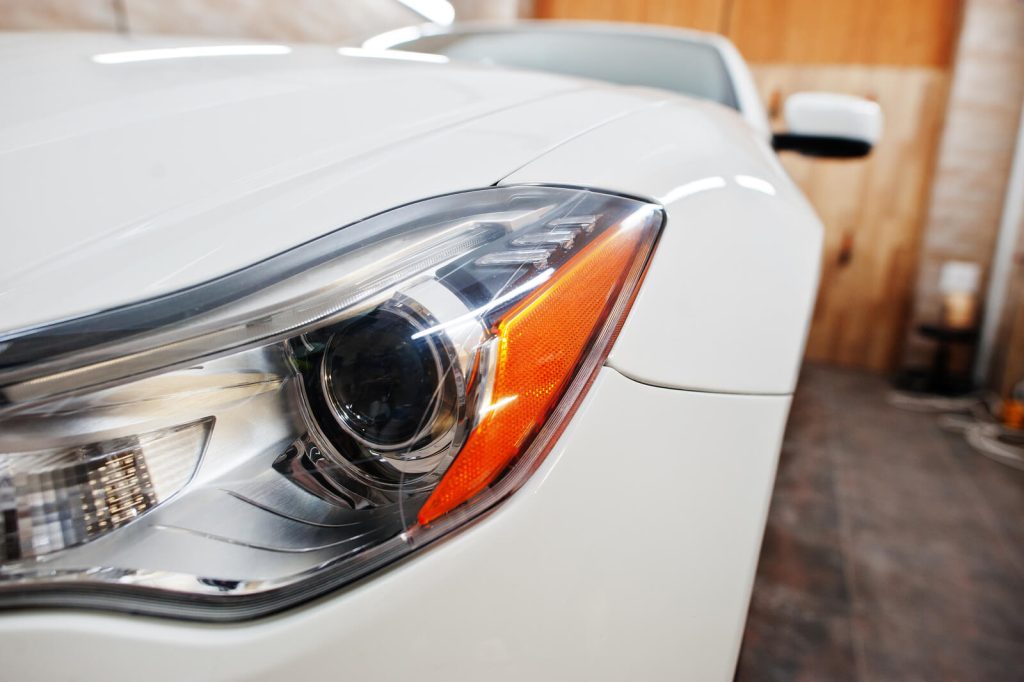
Matte paint finishes on BMWs, Audis, and luxury vehicles create a stunning appearance that turns heads around Nashville neighborhoods like Belle Meade and Green Hills. But these specialized finishes require completely different care than traditional glossy paint – using the wrong products or techniques can permanently damage the finish and cost thousands in repainting.
Unlike gloss paint that you can often polish or correct, matte finishes are unforgiving. Traditional car wash methods that work fine on regular paint will create permanent shine patches, gloss spots, or texture changes on matte surfaces. Understanding the specific requirements for matte paint care protects your investment and maintains that distinctive look.
As a FEYNLAB Approved Installer working with luxury vehicles throughout Nashville, we see the damage that improper matte paint care creates – and the excellent results when owners follow the right approach.
Key Takeaways
Never Use Traditional Products: Wax, polish, and standard ceramic coatings create permanent gloss spots on matte finishes that cannot be removed without repainting the affected areas.
Washing Technique Matters Most: Use the two-bucket method with matte-specific soap, microfiber wash media, and straight-line motions rather than circular patterns to avoid creating shine marks.
Matte-Specific Coatings Exist: Specialized ceramic coatings designed for matte finishes provide protection while maintaining the flat appearance and texture you want to preserve.
Contamination Removes Differently: Clay bars and decontamination products can alter matte texture, requiring gentler alternatives and specific techniques to remove bonded contaminants safely.
Professional Care Prevents Damage: Matte paint mistakes are permanent and expensive to fix, making professional cleaning and protection essential for maintaining your vehicle’s value.
Contact HALO Mobile Detailing at 615-815-8291 to discuss matte paint care options that protect your finish properly.
Understanding Matte Paint Vulnerability
Matte finishes achieve their appearance through microscopic texture that scatters light rather than reflecting it smoothly like gloss paint. This texture is what creates the flat, non-reflective look – but it’s also what makes these finishes so vulnerable to damage.
Any product or technique that fills in this texture or smooths the surface will create unwanted gloss spots. Traditional car wax, for example, fills the microscopic valleys in matte paint and creates permanent shine areas that stand out dramatically against the surrounding flat finish.
BMW’s guidance on their Frozen paint finishes specifically warns against using polish, wax, or abrasive cleaners. These products fundamentally change the surface characteristics that create the matte appearance. Once you’ve altered the texture, there’s no way to restore it without repainting.
The challenge extends beyond just product selection. Washing techniques that work fine on gloss paint can create problems on matte surfaces. Circular washing motions, for instance, can create subtle patterns that become visible as variations in the matte texture.
Proper Matte Paint Washing Process
Washing matte paint requires a modified approach that protects the delicate surface texture while removing dirt and contaminants effectively. The process starts with a thorough rinse to remove loose debris that could scratch during washing.
Use only soap specifically formulated for matte finishes. These products clean without leaving residues that could alter the surface texture. Regular car soap often contains gloss enhancers or mild fillers that create exactly the shine you’re trying to avoid.
The two-bucket method becomes even more critical with matte paint. Cross-contamination from a dirty wash mitt can embed particles that scratch the surface or leave residues in the textured finish. Keep your wash media as clean as possible throughout the process.
Work in straight lines rather than circles when washing. This technique minimizes the risk of creating patterns visible in the matte finish. If you do create any marring, straight-line patterns are less noticeable than swirl marks on matte surfaces.
Drying requires equal care. Use clean, soft microfiber towels or a filtered forced-air system. Avoid chamois or synthetic drying cloths that can snag on the textured surface and create unwanted shine spots through friction.
Matte-Specific Protection Options
Traditional ceramic coatings designed for gloss paint will ruin matte finishes by creating a smooth, reflective surface. However, specialized ceramic coatings exist specifically for matte paint that provide protection while maintaining the flat appearance.
These matte-specific coatings create a protective barrier against contaminants, UV damage, and chemical staining while preserving the light-scattering texture that defines the matte look. They make future cleaning easier without altering the visual characteristics of the finish.
Application of matte ceramic coatings requires even more precision than standard coatings. The surface preparation must remove contaminants without altering texture, and the coating application must achieve uniform coverage without creating any gloss inconsistencies.
Paint protection film designed for matte finishes offers another option for high-impact areas. These films protect against rock chips and scratches while maintaining the matte appearance, though they require expert installation to avoid visible edges or texture mismatches.
The key is ensuring any protection method maintains the original surface characteristics while adding functional benefits like easier cleaning and contamination resistance.
Common Mistakes That Cause Permanent Damage
Using automatic car washes represents one of the fastest ways to damage matte paint. The brushes, chemicals, and rinse aids in these systems are designed for gloss finishes and will create shine spots, scratches, and texture changes on matte surfaces.
Many owners make the mistake of using detail sprays or quick detailer products designed for gloss paint. These products typically contain mild fillers or gloss enhancers that accumulate in the matte texture over time, gradually creating unwanted shine.
Attempting to remove scratches or marks with polishing compounds or abrasive products destroys matte finishes. Unlike gloss paint where light polishing can remove defects, any abrasive action on matte paint alters the carefully controlled texture that creates the appearance.
Even well-meaning detailers unfamiliar with matte paint can cause damage by applying standard techniques. Clay bar decontamination, for example, must be done with extreme care on matte finishes using specialized techniques and products.
Professional detailing services with matte paint experience prevent these costly mistakes through proper technique and product selection.
Decontamination and Paint Correction Limitations
Removing bonded contaminants like tree sap, bird etching, or iron particles from matte paint requires specialized approaches. Traditional clay bars can alter surface texture, making gentle chemical decontamination the preferred method for most situations.
Iron removers and acidic cleaners designed for paint decontamination generally work safely on matte finishes, but the mechanical removal process requires more care. Any agitation must preserve the existing texture rather than smoothing or altering it.
Paint correction options are extremely limited on matte finishes. Light oxidation, staining, or minor defects often cannot be corrected without changing the surface texture. Prevention becomes far more important than correction when dealing with these specialized finishes.
This is why ceramic coating protection designed specifically for matte finishes provides such significant value. By preventing contamination from bonding to the paint, these coatings reduce the need for aggressive decontamination that risks texture damage.
Professional Matte Paint Care
Given the permanent nature of matte paint mistakes and the specialized knowledge required for proper care, professional service becomes essential rather than optional for these finishes. The cost of repainting matte panels far exceeds the investment in proper ongoing care.
Professional matte paint care involves not just the right products and techniques, but understanding how different contamination types affect these finishes and the safest removal methods for each situation.
Climate factors in Nashville, including seasonal pollen and UV exposure, create specific challenges for matte finishes that require proactive protection rather than reactive correction.
Mobile detailing services bring the controlled environment needed for safe matte paint care directly to your location, eliminating the risks associated with driving to unfamiliar detail shops that may not understand these specialized finishes.
Frequently Asked Questions
Can I use regular car wash soap on matte paint?
No, regular car wash soap often contains gloss enhancers or mild fillers that will create unwanted shine spots on matte finishes. Use only soaps specifically formulated for matte paint that clean without leaving residues that alter the surface texture.
How often should matte paint be detailed professionally?
Matte paint benefits from professional care every 3-4 months to safely remove accumulated contaminants before they bond permanently to the surface. More frequent maintenance washes can be done with proper technique, but professional decontamination prevents damage from DIY removal attempts.
Can scratches be removed from matte paint?
Very minor surface-level marks might be improved with specialized techniques, but traditional scratch removal through polishing will destroy the matte texture permanently. Prevention through proper washing technique and protection is essential since correction options are extremely limited.
Is ceramic coating worth it for matte finishes?
Yes, matte-specific ceramic coatings provide significant protection against contamination, UV damage, and staining while making regular cleaning safer and easier. The coating prevents contaminants from bonding to the paint, reducing the need for aggressive decontamination that risks texture damage.
What happens if I accidentally use wax on matte paint?
Wax creates permanent gloss spots on matte paint that cannot be removed without repainting the affected areas. The wax fills in the microscopic texture that creates the matte appearance, and removing it requires techniques that would further damage the finish.
Ready to protect your matte finish investment with proper care techniques and specialized protection? HALO Mobile Detailing brings matte paint expertise directly to your Nashville location, using only products and methods designed specifically for these unique finishes. Call 615-815-8291 to schedule professional matte paint care that maintains your vehicle’s distinctive appearance while protecting against permanent damage.