
Nashville’s pollen season is winding down. From mid-March through early June, oak, cedar, and maple trees coated vehicles in the yellow film that bonds to paint, etches clear coat when moisture activates the acidity, and turns weekly washing into a necessary chore rather than an optional one. Our Nashville pollen season car care guide covered what to do during the season. By early May, the heaviest waves are behind us, and what’s left on most vehicles is the cumulative damage from ten weeks of exposure.
Now is the time to assess what pollen did to your paint, get ahead of the residue before summer heat bakes it on, and start planning ceramic coating installation for next year so you do not face the same cycle in 2027. At HALO Mobile Detailing, May is one of our busiest months for post-pollen recovery details and pre-summer paint correction, and it is also when we book the bulk of our January and February ceramic coating appointments for next year.
This guide covers what to do this month, why pollen damage compounds when ignored, and how planning a ceramic coating install in the fall changes how next spring goes for your vehicle.
Key Takeaways
Recovery is the May priority. A Full Detail with clay bar treatment removes embedded pollen residue that washing alone cannot lift. Without it, summer UV bakes the residue into the clear coat where it becomes increasingly difficult to remove.
Ceramic coating cannot be installed mid-pollen. Active pollen contamination during the cure window compromises the coating. The next viable installation window opens in late summer once pollen is fully clear.
The booking window for next year starts now. Halo’s pre-pollen ceramic coating slots for January and early February typically fill by October. Adding your name to the schedule in May or June secures the timing that delivers full protection before next spring.
Dark vehicles show pollen damage first. Black, dark blue, and dark gray paint reveals etching and water spotting that lighter colors hide. Owners of dark vehicles should prioritize a post-pollen detail before summer heat sets in.
Call HALO Mobile Detailing at 615-815-8291 to schedule a post-pollen recovery detail or get on the calendar for next year’s pre-pollen ceramic coating installation.
What Pollen Actually Did to Your Paint This Spring
Tree pollen looks like dust, but under magnification it is a sharp, irregular particle that bonds to clear coat through a combination of surface friction and chemical reaction. When moisture from morning dew, light rain, or humidity activates the natural acids in the pollen, the residue begins etching the clear coat at a microscopic level.
A single morning of pollen exposure followed by dew is not catastrophic. Ten weeks of repeated cycles, however, leave most uncoated vehicles in Nashville with measurable clear coat damage by early May. The damage shows up as a dulled finish, water spots that resist normal washing, and a roughness you can feel by running your hand across the paint after a rinse.
If your vehicle was washed regularly through the season, the damage is lighter. If it sat outside through April with infrequent washing, the residue has had weeks to bond. Either way, May is the right month to address it before summer compounds the problem.
Why Summer Makes Pollen Damage Worse
Nashville summer surface temperatures regularly hit 180 degrees on dark paint sitting in direct sun. At those temperatures, anything still bonded to the clear coat, including pollen residue, sap, road grime, and bug debris, gets baked in harder than it would at moderate temperatures.
Heat also accelerates the chemical reaction between residue acids and the clear coat. What might have polished out with moderate effort in May becomes a paint correction job in July, and a serious paint correction expense in September.
The window between now and Memorial Day is the cleanest, easiest time to recover paint from the spring season. After that, the math gets harder every week.
What a Post-Pollen Recovery Detail Includes
A standard wash will not lift bonded pollen residue. The recovery process needs three steps that go beyond what a regular detail covers.
Decontamination wash. A thorough foam cannon wash with chemistry that breaks down acidic residue, followed by a careful two-bucket hand wash to lift particles without grinding them across the paint.
Clay bar treatment. Clay lifts the bonded contamination that survives the decontamination wash. Running your fingers across paint after claying versus before is the clearest demonstration of what was actually stuck to your finish. Our clay bar treatment guide covers the process in more detail.
Sealant or paint enhancement. A protective layer goes on after correction so the cleaned paint is shielded heading into summer. This is not ceramic coating, but it provides 3 to 6 months of protection that gets you to the fall ceramic coating installation window.
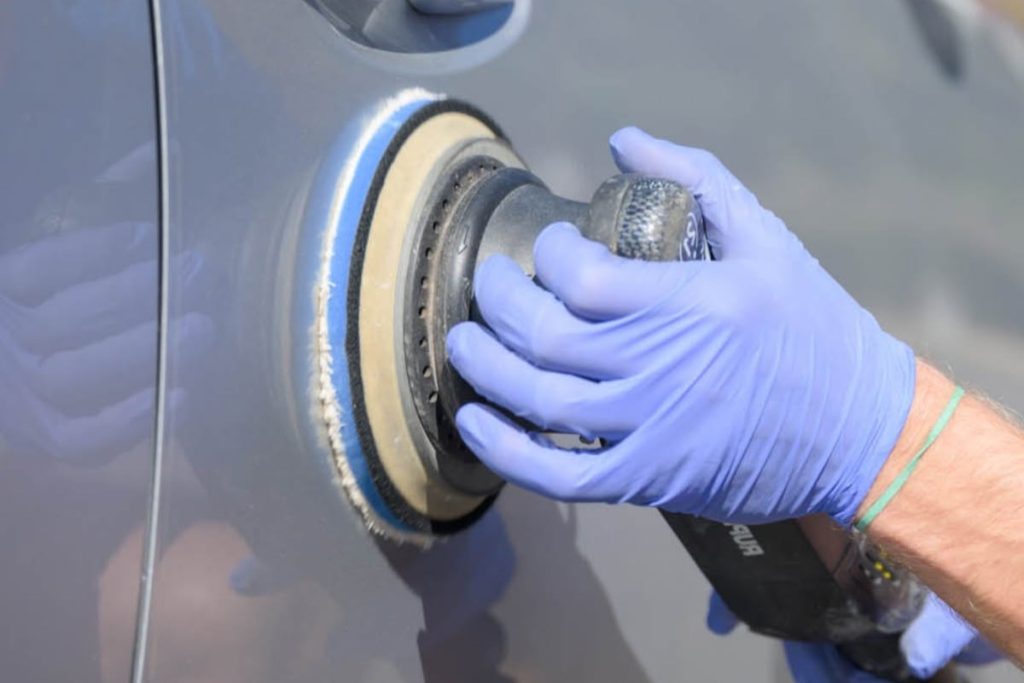
The Halo Full Detail or Premium Package both include the right combination of steps for May recovery work. The Premium adds clay bar treatment as standard, which is what most vehicles need after a full Nashville pollen season.
Why You Cannot Get Ceramic Coating Right Now
Ceramic coating installation requires a controlled, contamination-free environment and a 2 to 3 week cure window during which the coating reaches full hardness. Pollen during the cure window embeds in the uncured coating, creating weak spots and reducing the long-term performance the coating is supposed to deliver.
Through May and into early June, residual pollen counts are still high enough that we do not recommend coating installation. By late June through August, conditions improve, but those months bring their own challenges including high humidity and surface temperatures that affect proper application.
The two clean windows for ceramic coating in Nashville are early September through November and January through early February. Each window has tradeoffs.
Fall installation (September to November) gives you protection through the winter road salt season and a fully cured coating ready for spring. Temperatures and humidity sit in the ideal range for application.
Winter installation (January to early February) is the traditional pre-pollen window. The coating cures fully before mid-March, and the vehicle is ready for the spring season.
Either window works. The fall window is currently open for booking with more flexibility. The winter window books faster and tends to fill by October.
How Ceramic Coating Changes Next Pollen Season
The vehicles we coat in fall or winter come through the following spring in noticeably better shape. The coating creates a smooth, hydrophobic surface that prevents pollen from bonding directly to clear coat. Instead of embedding in surface irregularities, pollen sits on top of the coating where a rinse or gentle wash lifts it cleanly.
The hydrophobic properties also matter during spring rain. Water beads and sheets off coated surfaces, carrying loose pollen with it. On uncoated paint, the same rain mixes with pollen to create the sticky paste that grinds into clear coat during cleaning.
Owners report spending significantly less time on weekly washing during pollen season after a coating install, and the paint looks measurably better at the end of the ten-week cycle. The investment pays off most clearly during the months when uncoated vehicles need the most attention.
Halo’s FEYNLAB Ceramic Coating Tiers
Halo is a FEYNLAB Approved Installer and offers three coating levels at transparent pricing. Each tier scales with vehicle size and paint condition.
Level I starts at $650. One-year warranty, single-layer application. Good fit for newer vehicles in solid condition that need entry-level protection.
Level II runs $750 to $1,000. Three-year warranty, includes paint correction work. Suits most daily drivers and family vehicles.
Level III runs $900 to $1,200. Five-year warranty, multi-stage correction and the strongest chemistry. Best for owners keeping their vehicle long-term or driving paint that justifies the premium tier.
Pricing depends on vehicle size and the amount of correction work needed before coating goes on. We assess your specific vehicle before quoting, so the price reflects actual scope rather than a flat rate.
Booking Now for Fall or Winter Installation
Calendar slots for the September through November fall window typically still have availability when booked in May or June. The January through early February pre-pollen window books faster, with most slots claimed by October.
Booking ahead delivers two practical benefits. First, you get the date you actually want rather than whatever is left. Second, the lead time gives us a chance to assess your vehicle’s current paint condition and recommend whether you need correction work before coating, which affects scope and timing.
For owners who want to skip a pollen season entirely, the fall window is the better choice. The coating goes on before winter, cures fully through the cold months, and is ready well in advance of next spring.
Frequently Asked Questions
Should I wait until next year to think about ceramic coating, or book now?
Book now if you want either the fall or winter installation window. Fall slots have more availability in May and June. Pre-pollen winter slots fill by October. Booking early secures your preferred date and gives us time to plan any correction work needed.
My car looks fine after pollen season. Do I still need a recovery detail?
If you washed regularly through April and your paint passes the finger-glide test (smooth across the surface, no roughness), a Full Detail is sufficient. If the paint feels rough, looks duller than it did in February, or has visible water spotting, the Premium Package with clay bar treatment is the better fit.
Can I just wax my car and skip the ceramic coating?
Wax provides 2 to 3 months of protection at most, and significantly less during summer heat and winter salt exposure. For Nashville conditions, wax means reapplying multiple times a year. Our ceramic coating vs wax vs sealant comparison breaks down the math in detail. Ceramic coating is one application that delivers 1 to 5 years depending on the tier you choose.
How long does post-pollen recovery actually take?
A Full Detail runs 3 to 4 hours. The Premium Package with clay bar treatment runs 4 to 5 hours. Both can be performed at your home, office, or jobsite through our mobile detailing service, so you do not lose the day to a shop visit.
Will the coating I install in fall really still protect through next pollen season?
Yes. FEYNLAB coatings are designed for multi-year durability. A coating installed in October 2026 is fully cured and at peak performance for the March to June 2027 pollen season, and will continue protecting through subsequent seasons within its warranty period.
Ready to address what pollen did this spring and plan ahead for next year? Call HALO Mobile Detailing at 615-815-8291 to schedule a post-pollen recovery detail or get on the calendar for fall or winter ceramic coating installation. The May to June window is the cleanest time to handle both decisions.