
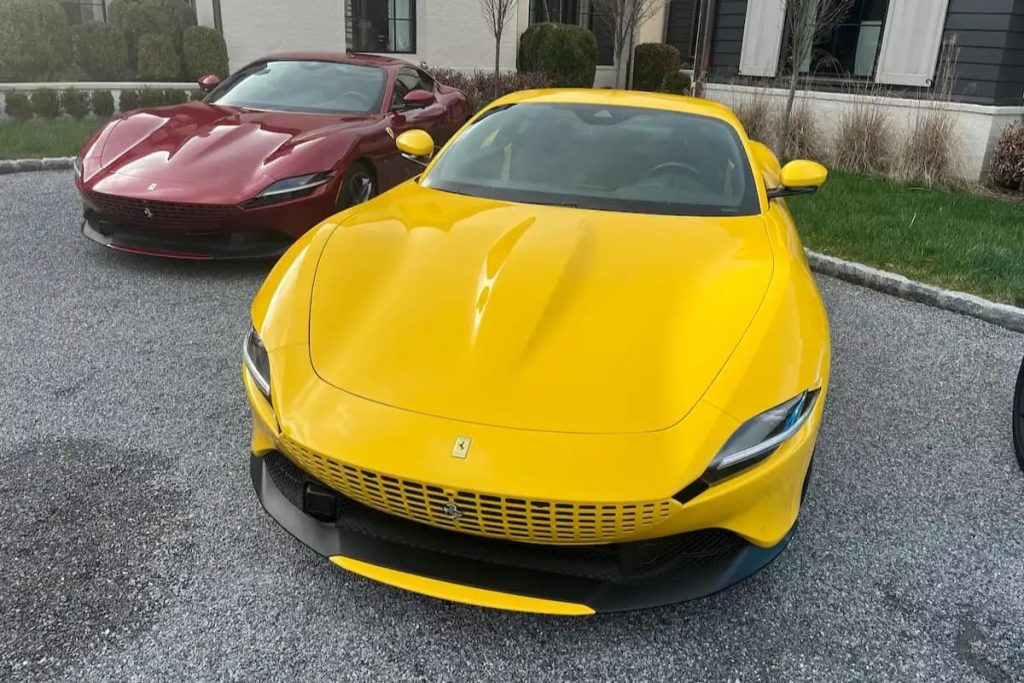
A client in Green Hills called us in late August last year asking when she should have her new Lexus ceramic coated. We told her to wait three weeks. The afternoon temperatures were still pushing into the high nineties, the pollen had not fully cleared, and another month would put the install in better conditions for both the application and the curing process. She scheduled for mid-September. The install went cleanly, the coating cured under ideal conditions, and six months later the finish still looks the way it did the day we handed her the keys.
Timing matters more for ceramic coating than most car owners realize. Application temperature affects how the coating flashes and levels. Cure time depends on humidity and ambient conditions in the days after install. Seasonal factors like Nashville pollen, summer heat, and winter road salt all influence when scheduling makes sense. This post walks through the real factors and helps you decide when to book.
Key Takeaways
Spring and Fall Are the Ideal Application Windows: Temperatures between sixty and eighty degrees with moderate humidity produce the cleanest application and best cure conditions.
Avoid Peak Pollen Season for the Application Itself: March through mid-April in Nashville is heavy pollen. Scheduling around pollen makes prep easier and reduces contamination risk during cure.
Summer Installs Need Climate-Controlled Environments: Direct sun and high heat make ceramic coating cure too quickly. Summer installs work fine with the right setup.
Winter Is Possible With Indoor Application: Cold ambient temperatures slow the cure. Indoor installation with controlled temperature makes winter installs viable when needed.
The Best Time for Your Vehicle Depends on Your Situation: New car purchase timing, garage availability, and seasonal use patterns all factor into the right schedule for you.
Book your ceramic coating consultation at halodetailing.com or call 615-815-8291.
Why Application Conditions Matter
Ceramic coating chemistry depends on controlled application and cure conditions. The coating flashes, levels, and cures based on temperature and humidity in the surrounding air. Get the conditions wrong and the coating can streak, high-spot, or fail to bond properly across the entire panel.
Ideal application temperatures fall between sixty and eighty degrees Fahrenheit. Above that range, the coating flashes too quickly. You lose the wipe-off window, and the coating cures with visible high spots before the installer can level it. Below that range, the coating flashes too slowly. The cure becomes uneven, and the final hardness suffers.
Humidity also matters. Moderate humidity helps the coating cure consistently. Very low humidity, common during dry winter spells, can affect leveling. Very high humidity, common during Nashville summer afternoons, can introduce contamination during the cure period.
Professional installers control for these factors by selecting application timing and using climate-controlled environments when conditions outdoors are unfavorable. The flexibility means seasonal limitations are less rigid than they sound, but the underlying chemistry still applies.
Spring in Nashville
Spring offers ideal application temperatures for most of the season. April and May typically run sixty to seventy-five degrees during daytime hours with moderate humidity. The conditions are nearly perfect for ceramic coating application and cure.
The complication in spring is pollen. Nashville’s pollen season peaks in late March and early April. Tree pollen settles on every surface within hours of a clean wash. For ceramic coating, the prep work is significantly harder during peak pollen, and the post-install cure period requires the vehicle to stay clean for the first day or two while the coating bonds.
The practical recommendation is to schedule ceramic coating either before pollen peaks, in February or very early March, or after pollen clears, in late April through May. Mid to late spring is a strong window once the pollen has settled and temperatures have stabilized.
For Nashville drivers thinking about pollen season car care, ceramic coating installed after pollen clears provides protection for the following year’s pollen season.
Summer in Nashville
Summer in Nashville brings high heat, high humidity, and afternoon thunderstorms. None of these conditions favor outdoor ceramic coating application. The good news is that summer installs work well when done in a climate-controlled environment.
Indoor application in a temperature-controlled space sidesteps the heat issue entirely. The vehicle cures in conditions the installer can manage. The end result matches what you would get from a spring install, with the only difference being that the work happens indoors rather than on a driveway.
For summer installs, expect the work to happen in our partner shop space rather than on site. The trade-off is small. The vehicle is in a controlled environment for the install and the initial cure period, then comes home ready for normal use.
Some installers attempt outdoor summer installs by working in early morning hours before temperatures climb. This is workable but requires careful timing. By eleven o’clock most summer mornings in Nashville, the temperature has already passed eighty degrees and is climbing. Smaller jobs like top-up coatings can fit this window. Full vehicle installs often cannot.
Fall in Nashville
Fall is the other ideal season for ceramic coating application. September through early November typically delivers sixty to seventy-five degree temperatures, lower humidity than summer, and minimal contamination compared to spring pollen season.
Fall installs offer another practical benefit. The coating cures and bonds during a period of relatively benign weather, then enters winter with the bond fully established. This sequence means the coating performs at its full rated capability through the harshest part of the year, when road salt, sand, and grime from Nashville winters would otherwise be hardest on unprotected paint.
For drivers thinking about winter car detailing, a fall ceramic coating install is the cleanest way to enter the season with full paint protection in place.
Winter in Nashville
Winter ceramic coating is possible but requires indoor application and slower cure timing. Cold ambient temperatures extend the cure period from twenty-four hours to several days for full hardness. The work itself proceeds normally in a heated space.
Winter installs make sense for several specific situations. New vehicle purchases that happen in December or January often benefit from immediate coating rather than waiting until spring. Vehicles already protected by a previous coating that is failing benefit from continuity rather than going unprotected through winter and then waiting for spring.
The honest trade-off with winter installs is the cure period. The vehicle ideally stays out of road salt and heavy wet conditions for the first week after install. For garage-kept vehicles, this is easy. For daily drivers in winter conditions, planning is required.
The Best Time for Your Vehicle Specifically
The general guidance is spring and fall. The right time for your specific vehicle depends on a few additional factors.
A new vehicle purchase is a natural trigger for ceramic coating regardless of season. Coating new factory paint gives the coating its best possible substrate, and timing the install before the vehicle accumulates damage maximizes the protection benefit. For a new car detailing plan, ceramic coating typically happens in the first month of ownership.
A vehicle you plan to keep long-term benefits from coating sooner rather than later. The longer the paint goes unprotected, the more correction work is needed to prepare for coating, and the higher the total cost of the project becomes. Coating an older vehicle still makes sense, but the prep work adds cost.
A vehicle you plan to sell within a year is a different calculation. Ceramic coating before a sale can support a higher asking price, but the timing matters. Coating immediately before listing makes the vehicle present well at viewings. Coating six months before selling lets the coating mature and become part of the vehicle’s overall condition. Either approach can work.
Visit halodetailing.com or call 615-815-8291 to talk through the right timing for your vehicle and situation.
Frequently Asked Questions
Is it bad to ceramic coat in summer?
Not bad, but it requires indoor application in a climate-controlled space. Outdoor summer installs in Nashville run into temperature problems by mid-morning. Done indoors, summer installs produce the same quality result as spring or fall installs. The vehicle just needs to stay in the controlled environment for the install and initial cure.
How long after applying ceramic coating can I drive the car?
For most coatings, the vehicle is drivable within two to four hours of application. The coating reaches initial hardness in that window. Full hardness develops over the following two to four weeks. During the first week, avoiding heavy rain, road salt, and washing the vehicle gives the coating the cleanest cure. After the first week, normal use is fine.
Can I get my car ceramic coated in February?
Yes, with indoor application. February temperatures in Nashville are often too cold for outdoor application, but indoor work with controlled temperatures produces excellent results. The cure period takes longer than spring or fall, typically three to five days for full initial hardness. Planning to keep the vehicle out of harsh conditions for that first week makes the install worthwhile.
Does the season affect how long the coating will last?
Indirectly, yes. The application and cure conditions affect how well the coating bonds, which in turn affects longevity. A well-applied coating in any season delivers full rated durability. A poorly applied coating, regardless of season, fails earlier. The season matters most as a constraint on application quality, not as a direct factor in coating life.
When should I plan to refresh or recoat?
Most professional ceramic coatings carry rated durability of two to seven years depending on tier. Plan to assess the coating annually and refresh or recoat as performance changes. Signs your ceramic coating is wearing off include reduced water beading, water spots that stick, and a less-slick feel to the paint. Catching these signs early lets you plan a refresh on your schedule rather than scrambling to recoat.