
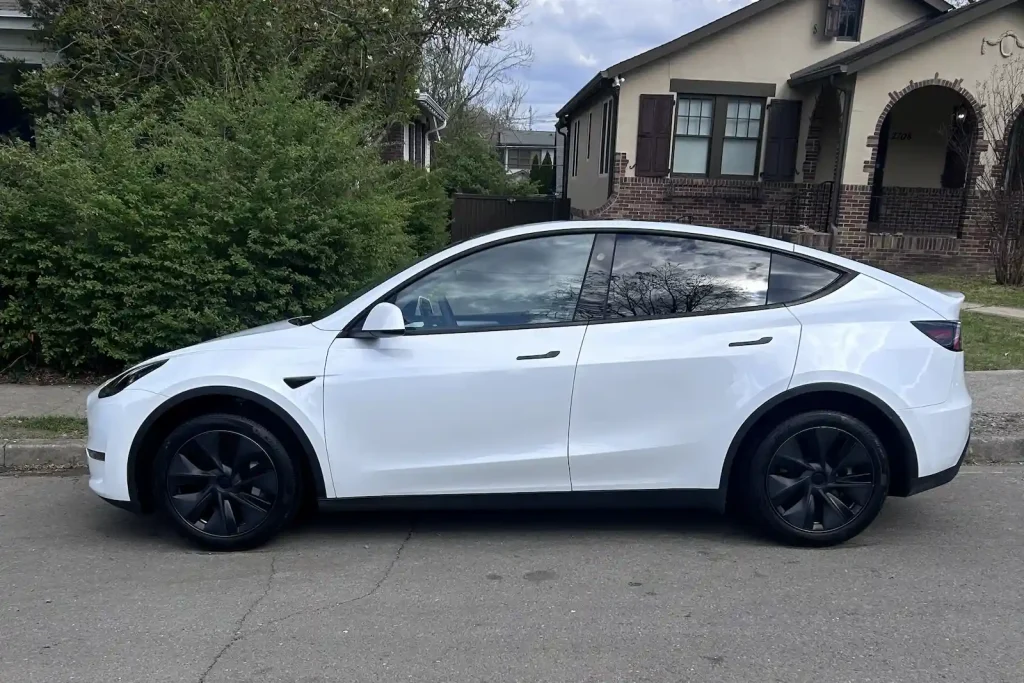
Megan drives a white Telluride and assumed her color was the easy one to own. No swirl marks jumping out in the sun. No obvious water spots. None of the maintenance drama her husband complained about with his black truck. Then she looked closely after a Nashville summer of pollen, highway grime, and brake dust. The lower panels had a dull gray haze she could not wash off. The white was not hiding dirt. It was holding onto a layer of contamination that regular washing was not removing. A ceramic coating on a white car had already solved the same problem for a neighbor in Green Hills. That is exactly what a ceramic coating for a white car is built to handle, so she reached out to HALO.
To begin with, white is the most common car color in America, and it comes with a reputation for being low maintenance. That reputation is only half right. Admittedly, white paint does hide swirl marks and light scratches better than dark colors, which is real. What it does not do is resist the staining, oxidation, and embedded contamination that Nashville’s environment throws at every vehicle. Want the flip side of the color question? Our breakdown of why dark cars need ceramic coating covers the opposite end. This post is about what white paint specifically deals with, and why a FEYNLAB ceramic coating makes sense for it.
Key Takeaways
White Hides Scratches, Not Contamination: White paint masks swirl marks well. But it readily shows the gray haze of embedded brake dust, road film, and industrial fallout.
Oxidation Dulls White Over Time: UV exposure slowly fades and chalks unprotected white paint, and Nashville sun accelerates it on daily-driven vehicles.
Ceramic Coating Adds a Protective Barrier: A coating bonds to the clear coat and resists the staining and oxidation that wash off far harder on white paint.
Maintenance Gets Easier, Not Harder: Coated white paint releases contamination during washing instead of holding it, so the color stays clean with less effort.
FEYNLAB Tiers Match Different Needs: Level I, II, and III offer increasing durability, from a few years to seven-plus, depending on how long you keep the vehicle.
Get in touch to talk through coating for your white vehicle at HALO’s contact page or call 615-815-8291.
Why White Paint Shows Contamination Differently
In short, the thing most white-car owners misread is the difference between scratches and staining. For instance, white is genuinely forgiving with physical defects. Swirl marks, fine scratches, and light marring disappear into the color. There is no dark surface for them to contrast against. This is why white owners often skip paint correction that a black-car owner would consider essential.
Staining is the opposite story. When brake dust, road film, tar, pollen, and industrial fallout settle into the clear coat, they leave a discoloration. White shows it clearly. The lower doors and rear quarter panels develop a gray or tan haze. The areas behind the wheels pick up an orange-brown tint from iron particles in brake dust. None of this comes off with a standard wash. The contamination has bonded to the paint, not just landed on it.
This is where the maintenance reputation breaks down. White is not low maintenance. It is selectively forgiving. It forgives the defects you can buff out and broadcasts the contamination you cannot simply wash away. In a city like Nashville, where pollen season coats everything and highway driving means constant exposure to road grime, that distinction matters. Our overview of Nashville pollen season car care covers how much of this the local environment contributes.
The Oxidation Problem on Unprotected White
Beyond that, the longer-term issue for white paint is oxidation. Ultraviolet light slowly breaks down the resins in an unprotected clear coat. On white vehicles, this produces a chalky, dull surface that looks faded and lifeless. You see it most often on older trucks and work vehicles that live outside. The white takes on a flat, almost powdery appearance.
Furthermore, Nashville’s climate pushes this along. Long, bright summers mean sustained UV exposure. A daily driver that sits in office parking lots and driveways absorbs that exposure year-round. The factory clear coat has UV inhibitors built in, but they deplete over time, and once oxidation sets in, it requires correction to reverse rather than just a wash.
Fortunately, a ceramic coating addresses this directly. The coating forms a sacrificial barrier over the clear coat that takes the UV and environmental hit instead of the paint. It does not make the vehicle immune to the sun, but it significantly slows the oxidation process and keeps white looking like clean white rather than dull, chalky white. For a sense of how long that protection holds in local conditions, see our piece on how long ceramic coating lasts in Nashville weather.
What a Ceramic Coating on a White Car Actually Does
A ceramic coating for a white car is a liquid polymer that bonds chemically to the clear coat and cures into a hard, slick layer. As a FEYNLAB Approved Installer, we apply professional-grade FEYNLAB coatings that are not the same as the consumer spray products sold at the parts store. The difference shows up in durability, hydrophobic performance, and how the surface resists contamination over years rather than weeks.
For white paint specifically, the coating delivers three things that matter. Above all, it works on contamination, oxidation, and water at once. First, it resists staining. Brake dust, road film, and fallout sit on top of the slick coated surface instead of embedding into the clear coat, so they release during a normal wash. Second, it slows oxidation by shielding the paint from UV. Third, it makes the surface hydrophobic, so water and the contamination it carries sheet off rather than drying into spots and film.
In practice, your white car stays looking clean with far less effort. Because the contamination never bonds, the gray haze on the lower panels does not develop the same way. And the color holds its brightness, since the paint is not absorbing UV damage directly. This is the same protection logic behind every coating we install, and our honest take on the value question lives in our is ceramic coating worth it assessment.
Choosing a Tier for Your Vehicle
FEYNLAB offers coatings at different durability levels, and the right one depends mostly on how long you plan to keep the vehicle. Level I provides solid protection with a couple of years of durability. It fits owners who want real protection without the longest commitment. Stepping up, Level II offers enhanced durability in the five-year range. Level III is the maximum-protection option, with durability of seven years or more. It suits owners who keep their vehicles long term and want to coat once and maintain.
Ultimately, the choice is not about white versus another color. It is about your ownership timeline and how much you want to invest up front versus over time. We walk through the trade-offs during the consultation and recommend based on your vehicle and how you use it. We never push the highest tier by default.
Before any coating goes on, the paint needs to be properly decontaminated and corrected so the coating bonds to clean paint rather than sealing imperfections underneath. On white vehicles, this prep step removes the embedded staining that has already accumulated, which is often the moment owners realize how much their paint was holding.
How to Schedule
Meanwhile, we come to you anywhere in our Nashville and Middle Tennessee service area. To book a coating for your white vehicle, reach out through HALO’s contact page or call 615-815-8291. We will talk through your paint’s current condition, the right tier, and the prep your specific vehicle needs.
Frequently Asked Questions
Does a white car really need a ceramic coating?
White paint hides scratches well, but it shows contamination staining and oxidation clearly, and neither washes off easily once it sets in. A ceramic coating resists both, keeping the white bright and making maintenance easier. The benefit is less about appearance defects and more about protection from staining and UV.
Why does my white car look gray or dull on the lower panels?
That haze is embedded brake dust, road film, and fallout that has bonded to the clear coat. A standard wash does not remove it because it is in the paint surface, not just on it. Decontamination and a ceramic coating address it, and the coating keeps it from returning the same way.
Will ceramic coating keep my white paint from oxidizing?
It significantly slows oxidation by shielding the clear coat from UV exposure, which is the main cause of white paint fading and chalking. It does not make the paint immune to the sun, but it takes the environmental hit so the paint underneath stays protected for years.
Is coating a white car different from coating a darker color?
The application process is the same, but the benefits land differently. Dark cars show the gloss enhancement and swirl reduction more dramatically, while white cars benefit most from the stain resistance and oxidation protection. The coating itself is identical regardless of color.
How do I maintain a coated white car?
Regular washing with proper technique is enough to keep a coated white vehicle clean, since contamination releases instead of bonding. We cover the details in our ceramic coating maintenance guide. The short version is that maintenance gets easier, not harder, after coating.